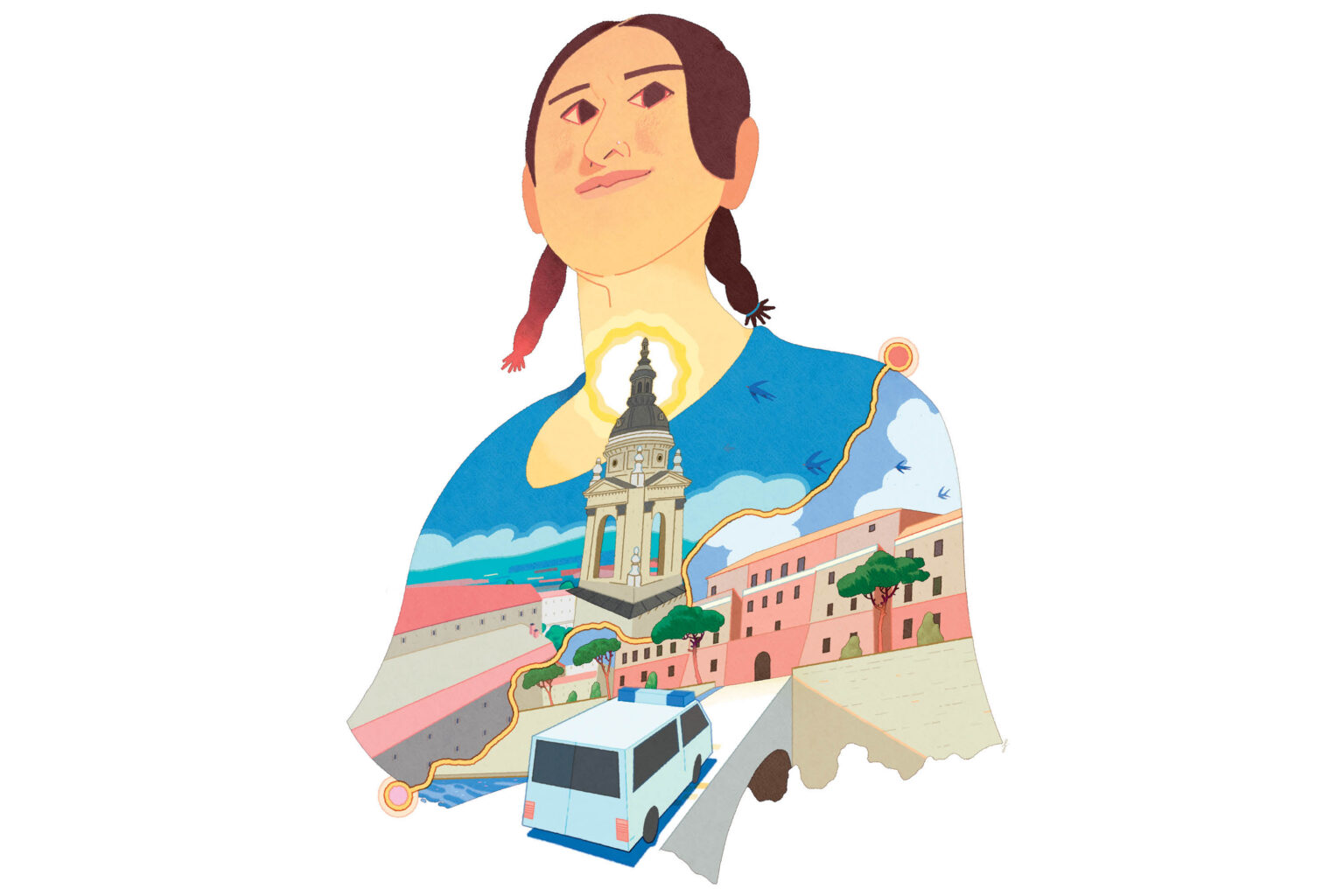
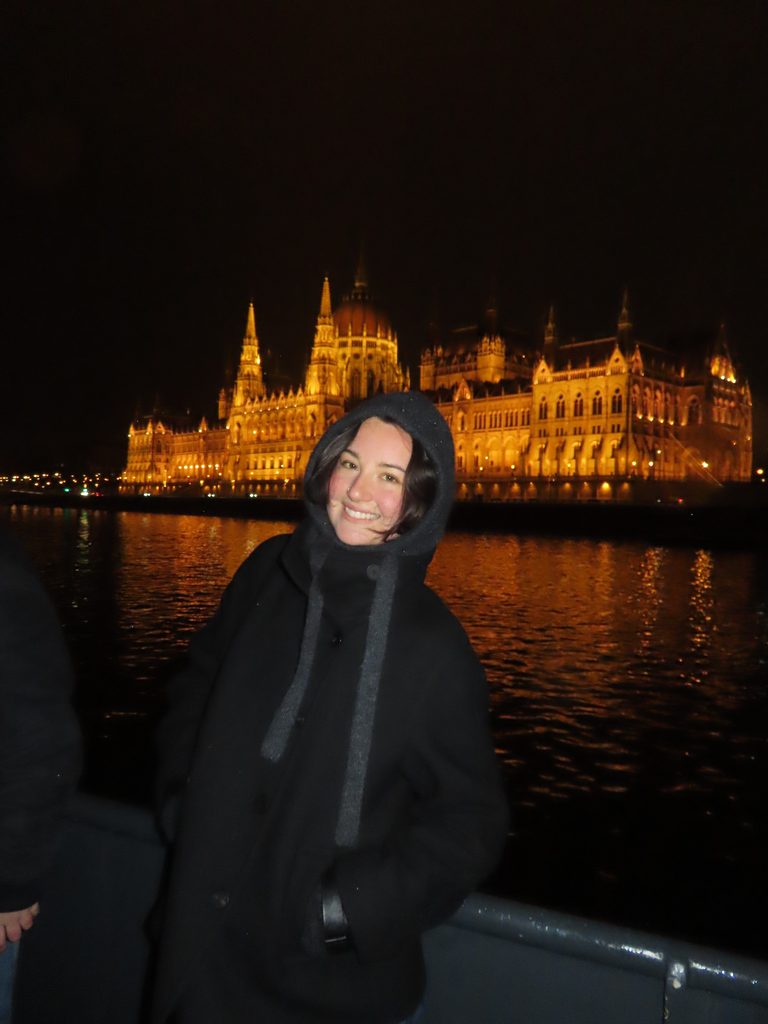
I was on top of the world when I turned yellow. It was the second weekend of my semester abroad in Rome, and friends and I were in Budapest, Hungary, on our first overnight trip. Despite dreary January weather, we made the most of our visit by climbing all 364 steps of the dome of St. Stephen’s Basilica. At the top, taking in the unfamiliar landscape, I felt invincible. This was the start of the biggest adventure of my life, and I was ready for it.
Alongside excitement, though, fatigue buried itself deep in my abdomen. Turning to my friends to share my excitement, I was instead met with concern. On the climb, a new shade of yellow had settled over my skin.
I hoped some rest back at the hostel would help, but by midnight, the yellow had only grown brighter. So, I headed out for 14 hours in a Budapest emergency room, where an ultrasound, blood tests, mystery IV fluids and an incorrect diagnosis led to orders to return to Rome for more testing. From the airport, I assured my parents that returning home to Seattle wasn’t necessary, promising, “I’m fine. This is just a precaution.” At my gate, overloaded with items that wouldn’t fit into my carry-on, I was stopped and braced myself for a fine. But the agent simply wanted to compliment my complexion. I may have been bright yellow, but I also felt lucky.
In Rome, I went directly to a private hospital staffed by the university doctor, where the next morning — Sunday, Feb. 1 — the parade started. By noon, I had learned what a hepatologist was and met my own. He said my liver was sick. At worst, I would need a transplant, but the doctors had plenty of ways to treat a sick liver. And if it came to that, they would try to get me home. I was not scared; I was an active young adult who had never so much as gotten stitches before. Trusting my doctors, who were now connected to my parents by WhatsApp, I spent the rest of the day working on my Italian homework.
The parade continued that week. There were visits from a Jesuit priest referred by clergy in Seattle. My aunt and cousin arrived from the East Coast, followed by my mom. Support started flooding in from my friends and professors — even Marquette’s men’s basketball coach, Shaka Smart, and President Kimo Ah Yun. Between calls and texts, I squeezed in more tests, scans and procedures. After transferring to a liver unit in a big hospital, I was carted by ambulance to appointments across the campus. In texts with friends, I joked about how dramatic it all felt. Everyone was acting like I was dying, but dying is scary. I was not scared.
Everyone was acting like I was dying, but dying is scary. I was not scared.
By Friday, it was clear I needed a transplant. A biopsy showed 45 percent of my liver was dead, and my condition was worsening. The suspected diagnosis was Wilson’s disease, a rare genetic mutation that prevented my body from processing copper, leaving it building up in my liver. Returning to the United States would be too risky. I filled out authorizations and was placed at the top of the national transplant waiting list. The parade over, all I had to do was wait.
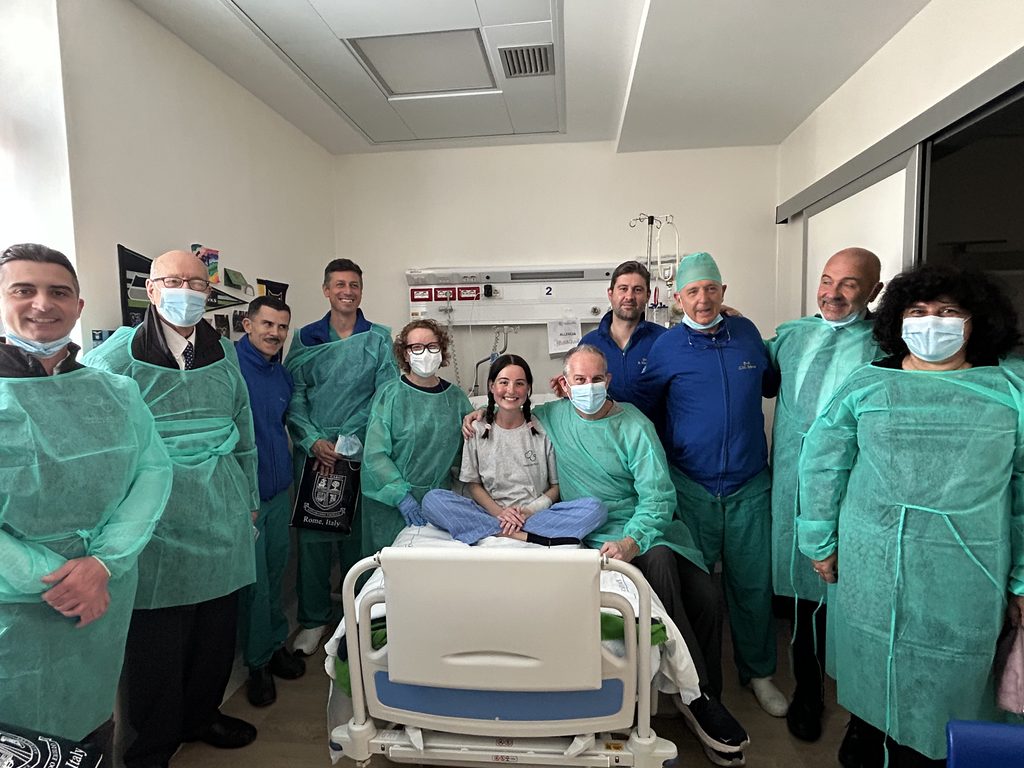
The next day, I woke up excited. It was my sister’s 18th birthday and National Marquette Day. Within hours, my dad would depart to join us in Rome. As my friends in Milwaukee were waking up to begin their celebrations, a nurse walked in with a pile of paperwork. Not knowing Italian, I blindly signed every line. Next, two doctors told me the documents were for my transplant; they might have found me a liver. I followed instructions to stop eating and drinking, and felt time stop. We didn’t hear anything more until 8 p.m. Then, just as the lyrics of Thunderstruck filled Fiserv Forum before tipoff nearly 5,000 miles away, I learned an ambulance would arrive in 15 minutes to take me to the operating room. I was loaded into the back with my mom, where the EMT held my hand, repeating the only three English words he knew, “God bless you.” I said goodbye to my mom and was ready.
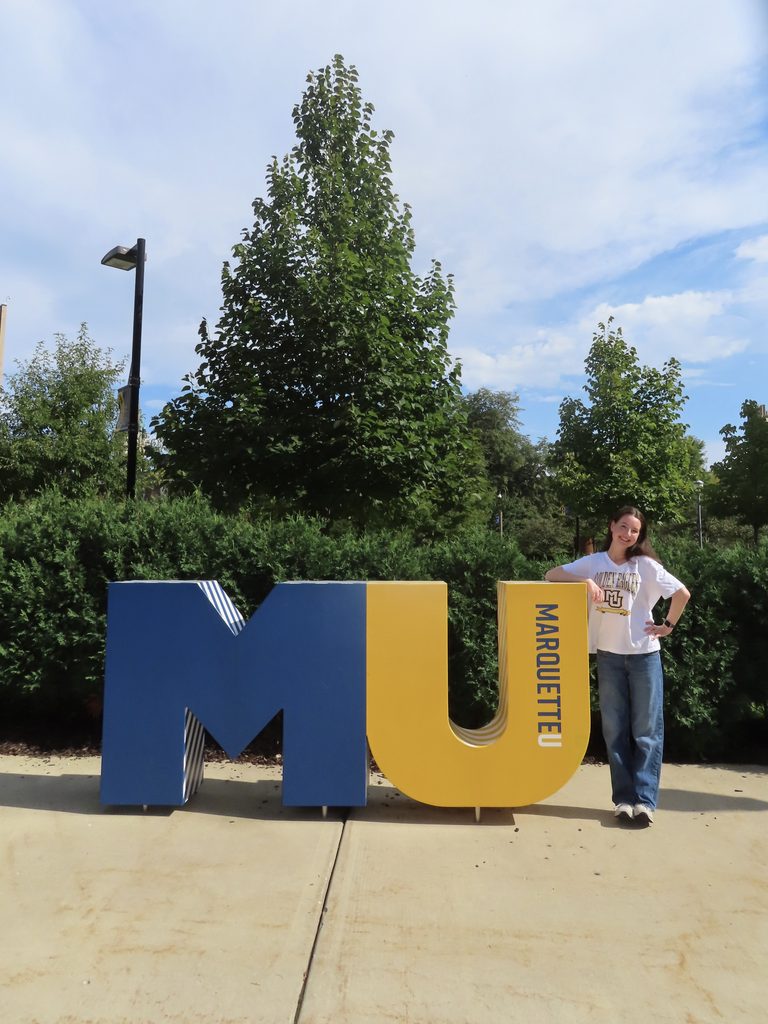
I am now several months out from my transplant. Having returned home in March and to Marquette this fall, I have learned to navigate post-transplant life with help from English-speaking medical teams. I also have learned how lucky and blessed I am. Lucky to have turned yellow, a signal I was sick, and lucky that
I didn’t turn yellow until this year, allowing me to celebrate my 21st birthday at Marquette with friends and then to begin exploring Italy. Blessed for the community who made me excited to be alive, even at my sickest, and blessed by an Italian family who, while grieving the death of their loved one, made a decision that would save a stranger’s life. Every day is an opportunity to celebrate this gift, and I hope to spend the years ahead living in a way that honors the people who made it possible.
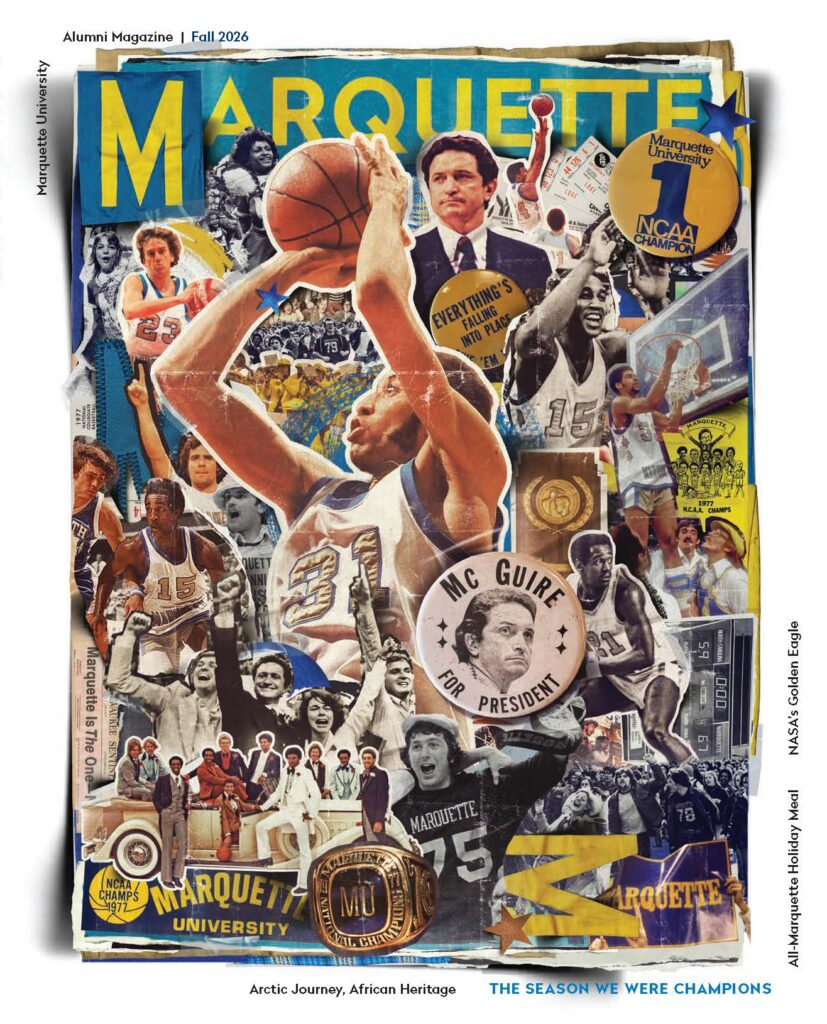
From the fall 2026 issue of Marquette Magazine
This and other stories from the fall edition of Marquette Magazine are now available online. Print copies are available on campus at the Zilber Hall security desk, AMU Information Center and outside Zilber Hall 235.