As part of its Faculty Focus, Staff Spotlight and After Hours series, Marquette Today is sharing weekly features during Pride Month highlighting faculty and staff whose work supports and connects with members of the LGBTQ+ community. Recognizing Marquette’s identity as a Catholic, Jesuit institution, the series reflects a commitment to upholding the dignity of every person. “We would like before all else to reaffirm that every person, regardless of sexual orientation, ought to be respected in his or her dignity…” — Pope Francis
Developed in collaboration with the LGBTQ+ Employee Resource Group, the series highlights how faculty and staff foster dialogue, support and growth across the university community.
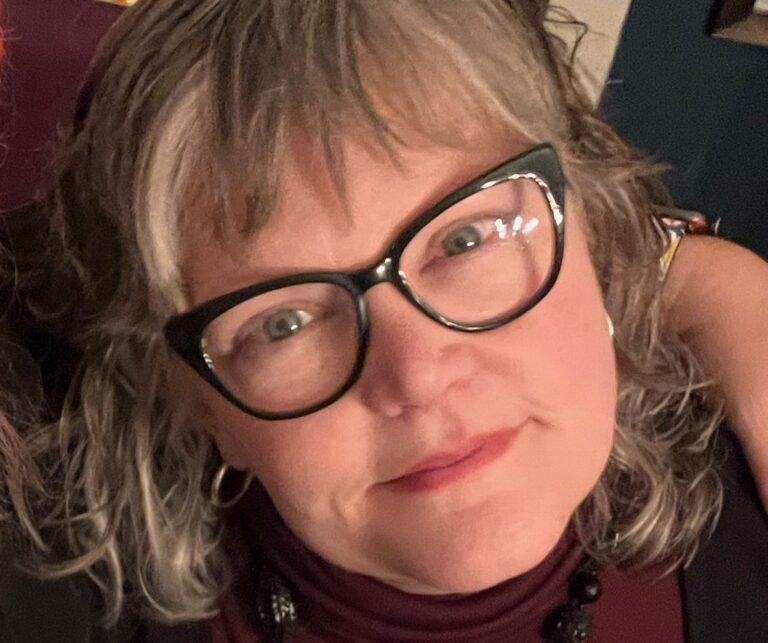
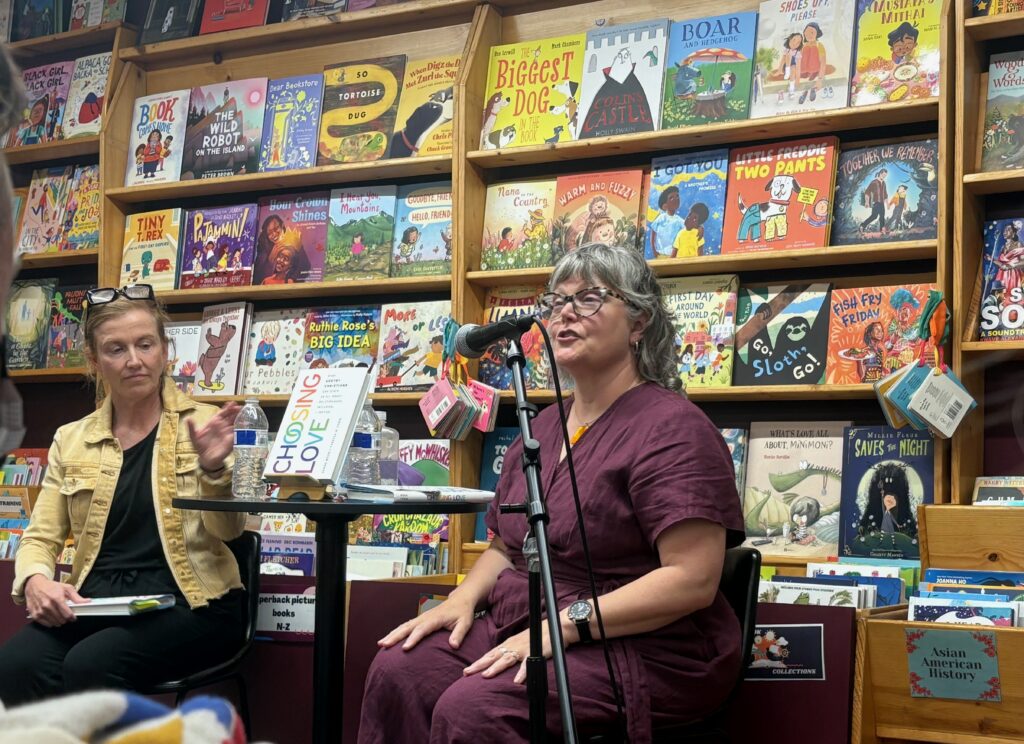
Dr. Dawne Moon, professor of social and cultural sciences and director of the Interdisciplinary Gender and Sexualities Studies program, along with co-author Dr. Theresa Tobin, associate professor of philosophy, published “Choosing Love: What LGBTQ+ Christians Can Teach Us About Relationships, Inclusion and Justice” last year. Drawing on a decade of research, including more than 100 interviews, the book examines how LGBTQ+ people and their allies are working within evangelical and other conservative Protestant communities to build more inclusive churches, families and institutions.
Moon sat down with Marquette Today to reflect on her work.
What drew you to this work?
I first became interested in religious discussions of LGBTQ+ people in the 1990s when I was in graduate school. I wanted to understand homophobia and knew I needed to study spaces where people were engaging deeply, not just exchanging sound bites. At the time, many Protestant denominations were debating ordination and same-sex marriage, so I began studying churches.
I took some time away from the topic after my first book but returned to this research in 2011 when a family member, who was evangelical, had just come out as gay. His family started trying to work out what they thought about that. I learned that there is now a whole movement among evangelicals and other conservative Protestants who are LGBTQ+ or allies, working to get their churches to revisit Scripture and see what it really says. They were having discussions with their families, pastors and friends — and a lot of people, including some big-name evangelical leaders, were starting to change their minds. It felt like everything in my life had been leading to this study.
How has your perspective on faith and justice evolved?
Growing up, I struggled to reconcile what I saw in religious spaces — people talking about love while treating others poorly. Through this work, and through my collaboration with Theresa Tobin, I came to understand what scholars call “spiritual violence,” when messages rooted in love are used in ways that harm people.
At the same time, this research allowed me to hear people talk about Jesus in a way that emphasized active love — caring for those who are marginalized and treating them with dignity. That reframed how I understood faith in practice.
What did participants teach you about love and accountability?
One thing that struck me was the ability many people had to distinguish between God’s voice and the voices of human authority. We spoke with individuals who had experienced profound harm — from exclusion to coercive practices — yet still held onto their faith.
Talking to them taught me that love and justice are inseparable. If you’re okay with someone being mistreated, you’re not really loving them. Even if you say the words, that isn’t love. People can come together and hold each other accountable to do better, even though that work is hard.
How does change happen within these communities?
Over and over, I heard stories about people coming out to loved ones — parents, pastors and friends. Sometimes those reactions were harmful. But when relationships were strong, they could open the door to change.
People often love someone before they know about their identity. That connection can make them more willing to question what they’ve been taught and to listen in a new way. If someone is going to change their mind, it’s often because of a relationship that matters to them.
I also saw how important it is to pair those relationships with deeper reflection — including reconsidering Scripture and assumptions that people may never have questioned before.
How do people reconcile faith and inclusion?
There’s a growing body of work showing that the Bible doesn’t always say what people think it says. Interpretations have changed over time, and many people find that when they apply the methods they’ve been taught, Scripture doesn’t really say all the things about LGBTQ+ people that they thought it did.
For many people in this movement, following the teachings of Jesus — especially the call to love others — doesn’t leave much to reconcile. Inclusion becomes a natural expression of faith.
What gives you hope now?
I don’t think grace should ever be used to excuse harm or avoid accountability. That can be a really destructive dynamic. Sometimes people need distance from those who have hurt them.
At the same time, I was inspired by the resilience and compassion I saw — especially among LGBTQ+ people and others working for change within communities that have harmed them.
They taught me about a kind of grace that isn’t about being a doormat, but about believing that people can learn to do better. And they can. People are changing their minds, often at great personal cost, and becoming more loving and more just. That gives me hope.
Learn more about Moon and Tobin’s book, “Choosing Love: What LGBTQ+ Christians Can Teach Us About Relationships, Inclusion and Justice” through Oxford University Press.