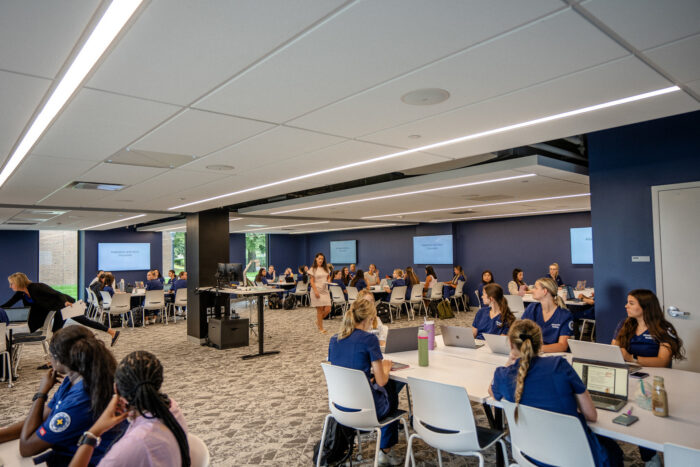
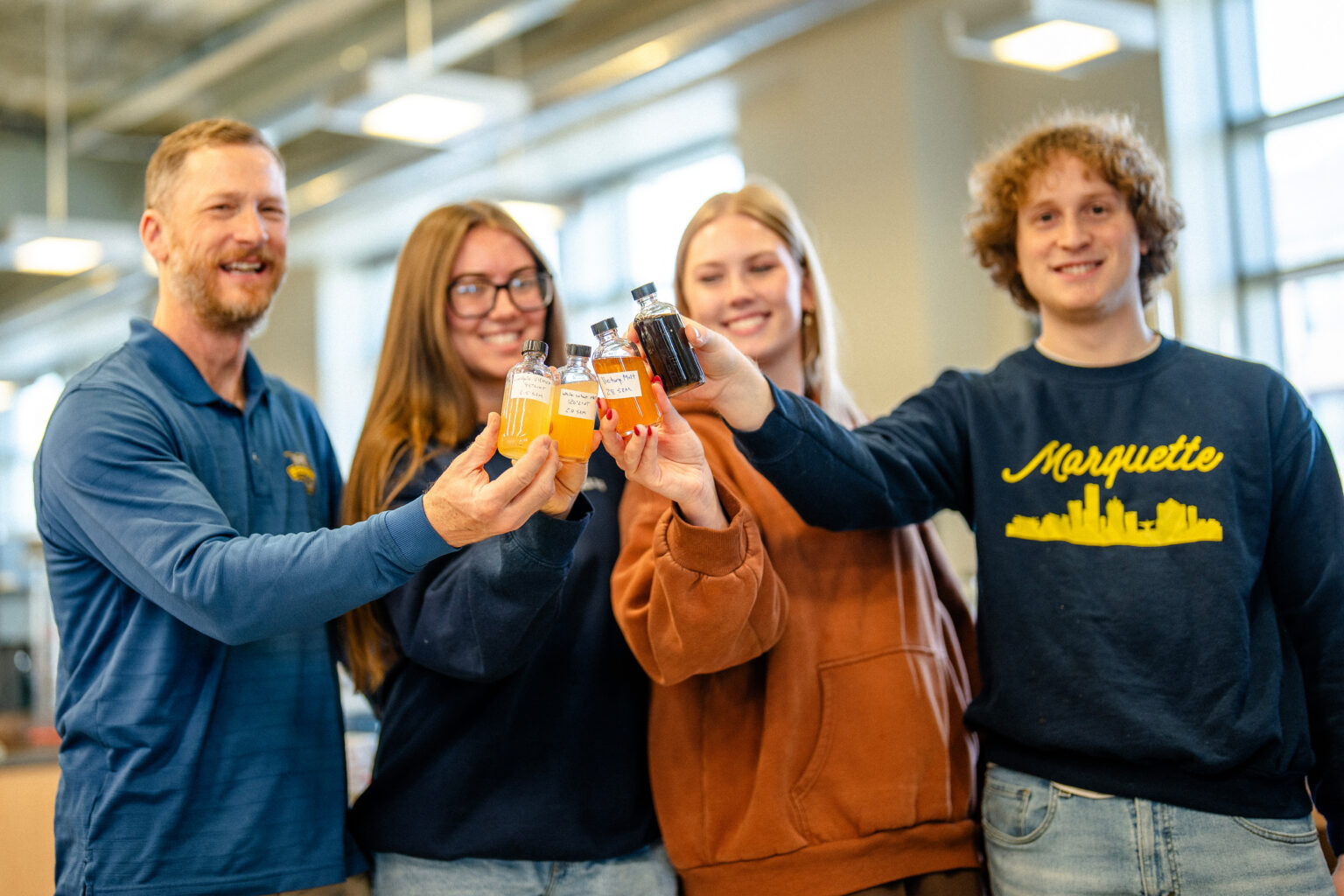
Born with the perfect last name to be a beer aficionado, Brooke Brewis never thought she’d be creating her own personal recipe for a Belgian white ale when she came to Marquette four years ago. Despite being a biological sciences major, Brewis decided to sign up for the Brewing Technology and Entrepreneurship course in the Opus College of Engineering.
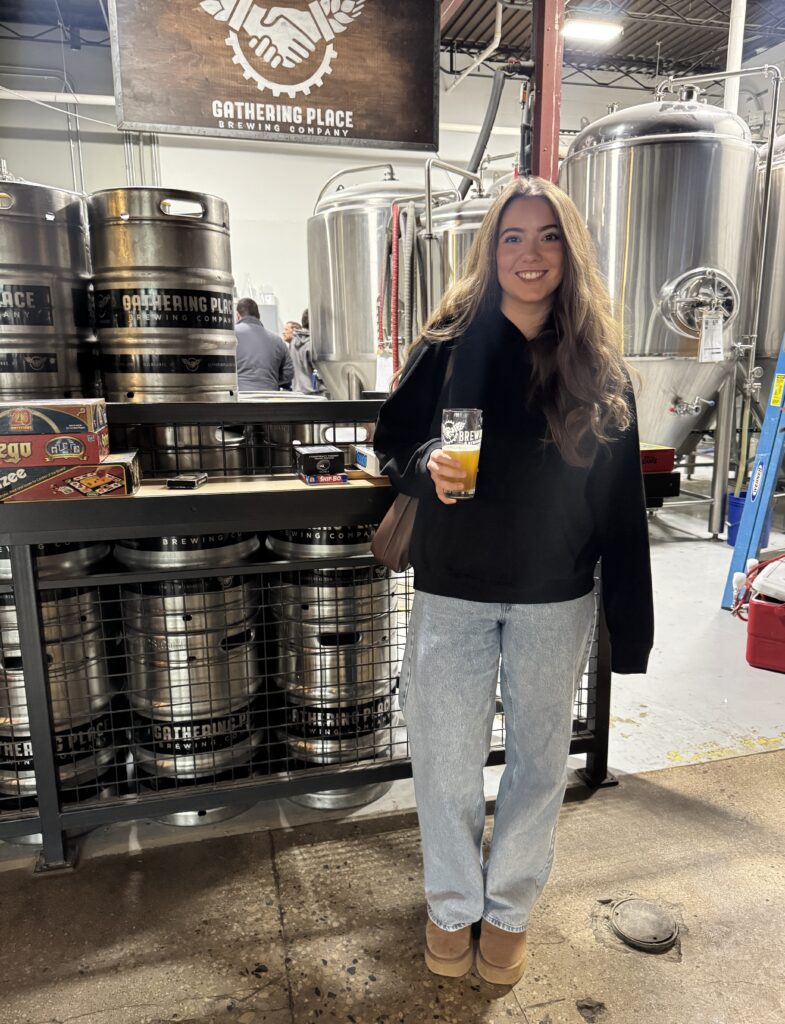
“I was talking about the class with my parents and they’re like, ‘You’re actually making a beer?’” Brewis says. “I’m originally from Annapolis, Maryland, so this is very different to them. You don’t get to take a class like this everywhere, and I thought it was perfect for Marquette to do it since we’re in Milwaukee ‘Brew City.’”
This inaugural engineering course was the brainchild of alumnus and owner of Broken Bat Brewery, Tim Pauly. The concept was built on a partnership of mutual love for the hoppy brew, Marquette and mentoring the next generation.
“I always knew that I wanted to continue pursuing the concept of higher learning around the beer brewing process and business, and with the help of another alumnus, Joe Yeado, owner of Gathering Place Brewing Company, our class was born,” Pauly explains.
The 15-student class is open to anyone intrigued by the science of brewing beer and the art of product branding. Surprisingly, senior Patrick O’Brien is the sole engineering major in the class.
“Being from the Midwest, who wouldn’t turn down a beer class?” O’Brien says with a smile. “This class lets you be more creative with your design choice. We designed our entire beer ourselves, and we had a total choice over style, taste and flavors.”
Brewing excellence
The class is more than just mixing water, malted grains, yeast and hops together.
Dr. Dan Zitomer, professor and chair of civil, construction and environmental engineering along with Mike Dollhopf, manager of the Water Quality Center and environmental engineering labs at Marquette, teach the course with help from Pauly and Yeado.
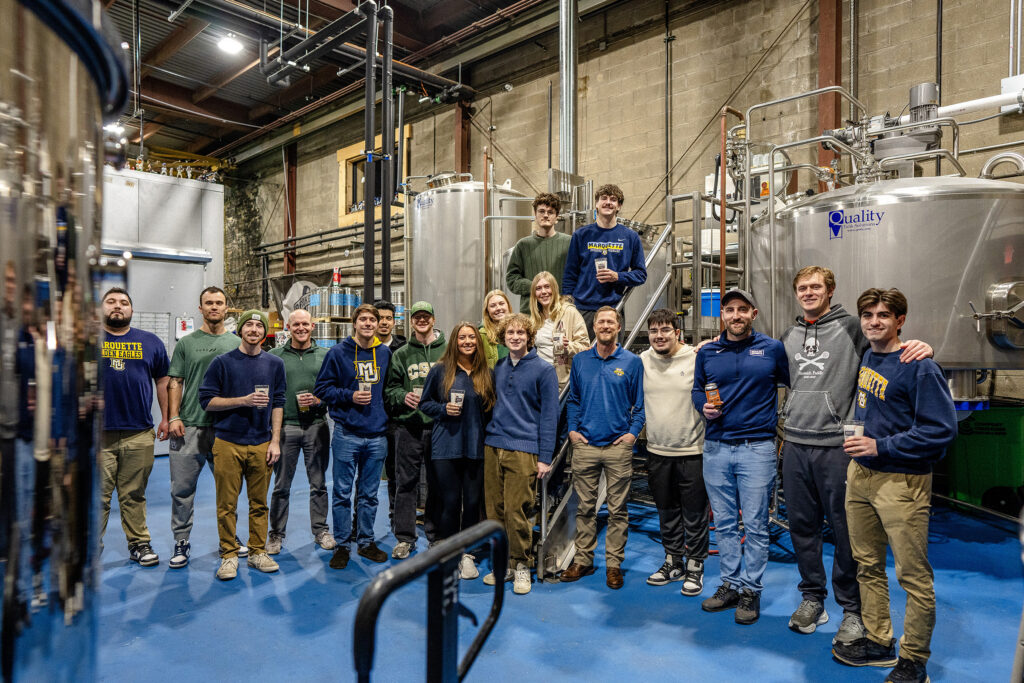
As a Milwaukee native and microbiologist, Dollhopf says the class covers all aspects of brewing including Milwaukee’s extensive history, beer styles and formulating recipes, as well as marketing, distribution, branding and labeling of a product.
“Our water quality lab investigates water treatment with microbes, using very similar processes and equipment as in brewing beer,” Dollhopf explains. “During the course, we discuss beer ingredients: water, hops, barley and yeast. We then go across the hallway into the environmental engineering labs, analyze the chemistry of brewing water, wort and the final beer product. Students later measure pH and alkalinity. In another lab class, we set up a series of beer fermenters and measure the sugar content and transformation into alcohol and look at the yeast under the microscope.”
Every week covers a different aspect of brewing. Pauly and Yeado both speak to the class and invite students to their breweries — giving them a behind the scenes look at the business.
“The best part of working with the students is sharing stories, giving advice, taking suggestions and conversing about their tangible, entrepreneurial spirit,” Pauly explains. “Not all of them will go on to open their own business, but the core principles of the course and content will undoubtedly give them the confidence and tools to excel in whatever profession they pursue.”
“They ask really thoughtful questions,” Yeado says. “When it comes to talking about my business and our experiences, it’s helpful to see it through a fresh set of eyes. It makes me think about things in a different way.”
For students Brewis and O’Brien, the highlight of the process is the formulation of brews based on customized flavor profiles.
“I feel like our generation really likes citrusy flavors,” Brewis says. “So, we decided to go with, honey notes, an orangey-tangy side with notes of graham cracker to give it a mouthy feel.”
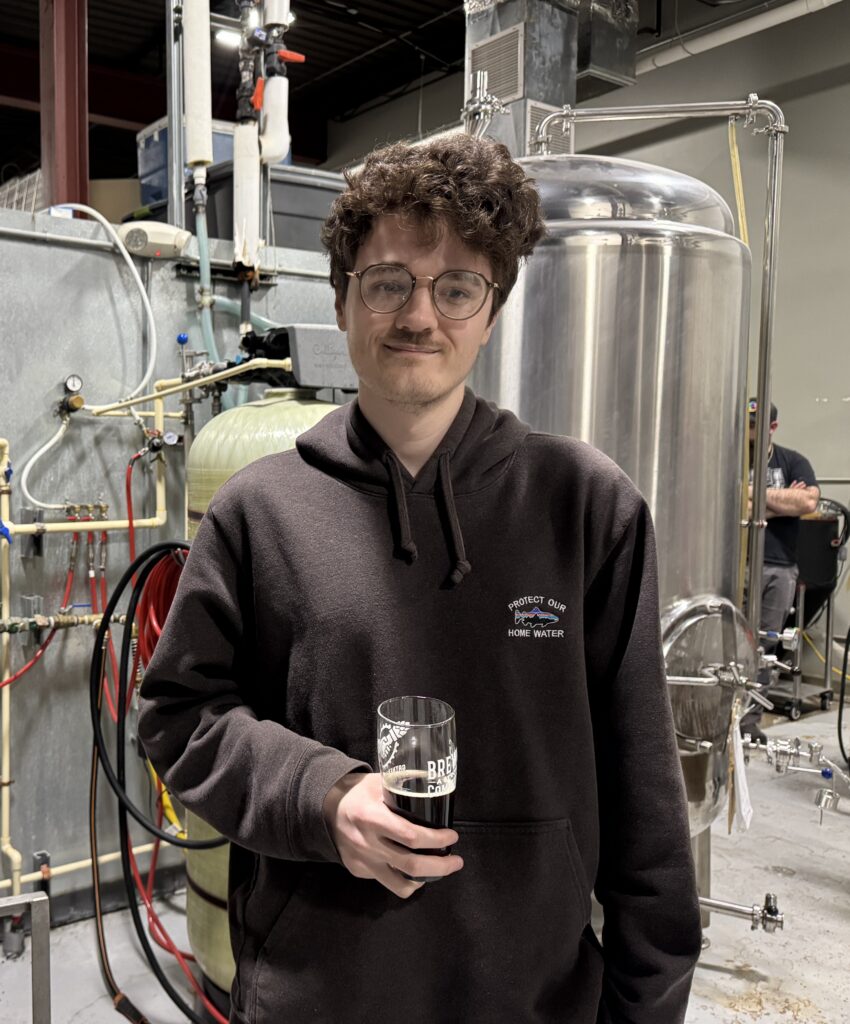
O’Brien went with an Irish red ale.
“Our original idea was a Cinnamon Toast Crunch beer,” O’Brien revealed. “We decided to go with a cinnamon flavor and are now trying to figure out how to get buttery or graham crackery profile. We decided on doing cinnamon and molasses.”
Brewis notes she will never look at the beverage the same way again.
“Before this class, I didn’t know anything about hops or barley — I didn’t know how they contributed to the brewing process,” Brewis says. “And now every time I look at a menu, I’m like, ‘Oh there’s hops in there, look at this beer!”
The class culminates with a beer release party where students finally savor their own creation.