When philosophy doctoral candidate Melady Elifritz began her summer fellowship with Milwaukee’s newest bilingual charter school, she expected to gain valuable experience and a stipend. She did not expect to leave with a renewed sense of purpose, greater professional confidence and a clearer vision of how her humanities training could impact the city she calls home.
Elifritz’s journey is at the heart of the Capacity Milwaukee Summer Fellowship, a new pilot initiative launched through Marquette University’s Center for the Advancement of the Humanities, that pairs humanities doctoral students with Milwaukee-area nonprofit organizations to co-design research projects that advance community priorities. Supported by a sub-award from Humanities Without Walls, a Mellon Foundation-supported initiative awarded to the University of Illinois, the program strengthens nonprofit staffing while simultaneously helping students translate skills acquired in the classroom into projects that benefit the community.
The program was created by Dr. Maggie Nettesheim Hoffmann, director of the Center for the Advancement of the Humanities.
“Capacity Milwaukee brings together talented students and community organizations to create something new that neither could achieve alone,” Nettesheim Hoffmann says. “This fellowship is the catalyst.”
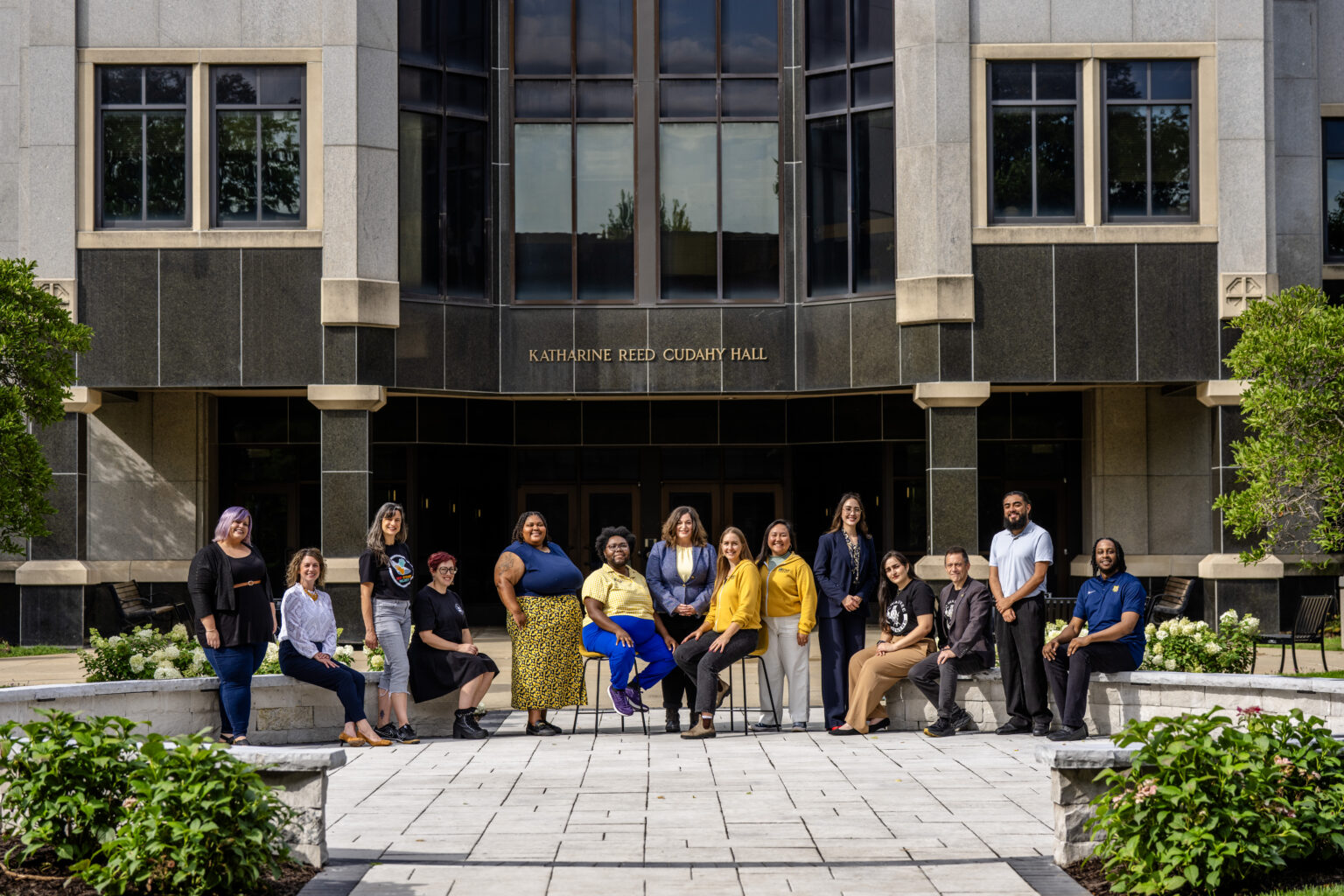
This summer’s inaugural cohort included Fereshteh Majdi, a doctoral student in English who worked with the Milwaukee Turners; Karolyn Burns, a doctoral candidate in philosophy placed with Metcalfe Park Community Bridges; Kate Rose, a doctoral candidate in English who partnered with Ex Fabula; and Elifritz who worked with ARCHS (Action Research Community High School), a project-based bilingual charter school preparing to open on Milwaukee’s south side.
Building partnerships through reciprocity
The fellowship program was designed around a simple but intentional philosophy: reciprocity and redistribution.
Rather than asking nonprofit organizations to host students without support, the fellowship invests in both partners. Students receive summer stipends while participating organizations receive funding and access to university resources, including Marquette’s research infrastructure and library databases.
“What makes this model distinctive is that students first become members of the community they’re partnering with before the research takes shape,” Nettesheim Hoffmann says. “Rather than arriving with a predefined project, they build relationships, listen and identify needs alongside community partners. The research project is then co-developed, ensuring that both students and organizations contribute to and benefit from the work.”
“Hosting students requires a meaningful investment of time and mentorship from nonprofit organizations,” says Dr. Heather Hathaway, acting dean of the Klingler College of Arts and Sciences and the School of Education. “The reciprocity model acknowledges that contribution by ensuring resources flow back to our community partners. At the same time, our students recognize just how practical, transferable and valuable their academic skills are in any workplace.”
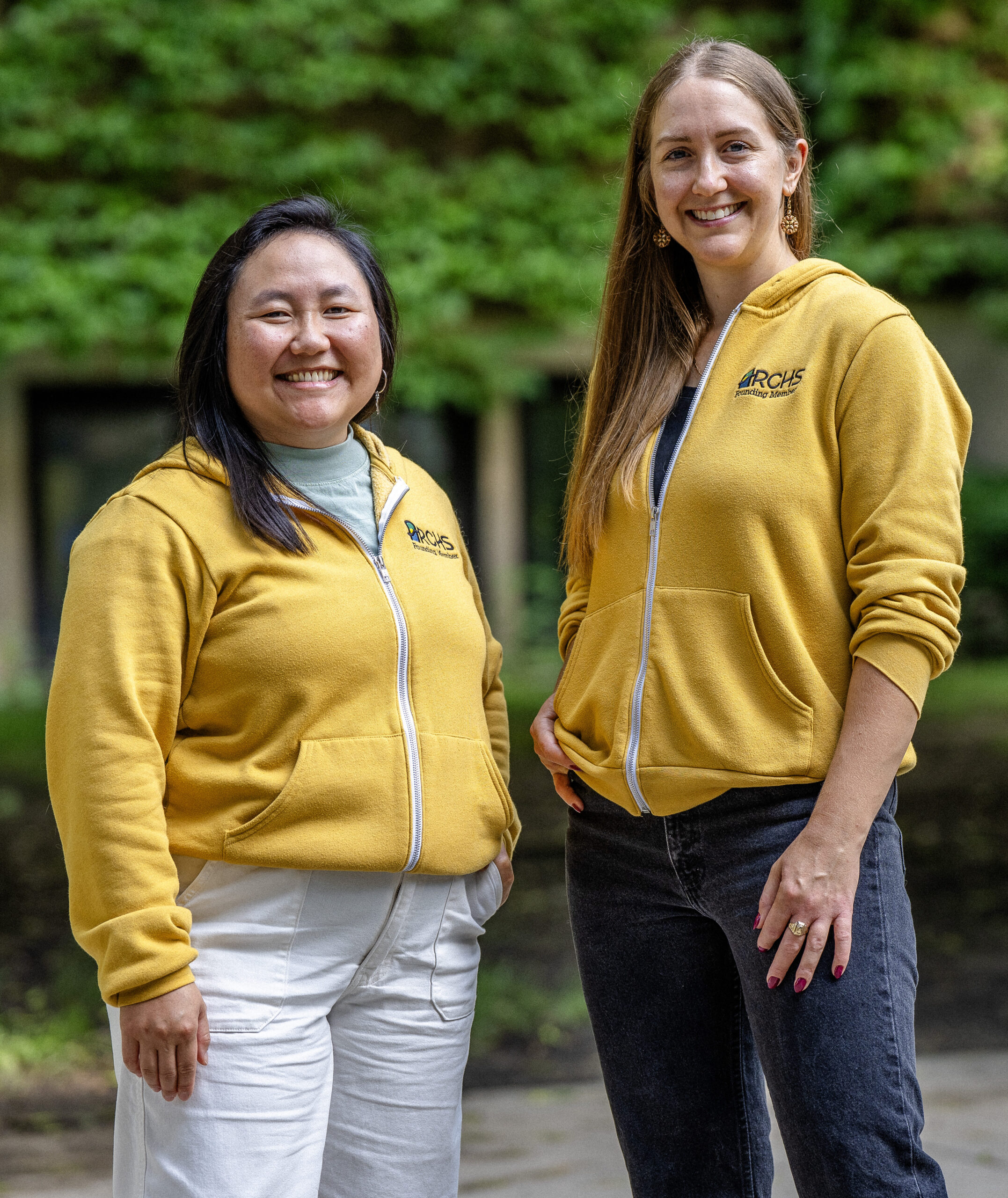
That approach resonated with Elifritz and ARCHS founder Bounrod Xiong from the beginning. They spent the early weeks of the fellowship learning about one another’s goals and strengths before defining Elifritz’s project. Elifritz then used her research skills to examine the history of charter schools, review ARCHS’ founding documents and interview board members and stakeholders. She produced materials to help the organization communicate its mission and project-based learning model to families, community partners and prospective supporters as it prepares to welcome its first students.
“We live in a culture that’s urgent and fast paced,” Elifritz says. “But when you slow down and build relationships first, you create something better.”
Knowing that both she and the organization were supported through the grant created a sense of equity that fostered trust. Instead of feeling like an employee completing a task, Elifritz found that she felt like a partner contributing to a shared goal.
For Hathaway, the program reflects Marquette’s mission as a Jesuit university rooted in an urban environment.
“We have resources, infrastructure and opportunities that many organizations do not,” Hathaway says. “This program allows us to share those resources in meaningful ways while learning from our community partners.”
From academic training to community impact
The fellowship helps students implement inquiry-based training into public-facing work. A literature review becomes a white paper. Academic research methods become organizational analysis. Classroom inquiry becomes community impact. For the fellows, the experience revealed how their humanities training can help address community challenges.
Burns developed a white paper for Metcalf Park Community Bridges exploring neighborhood-based approaches to food sovereignty and food access. Rose documented the value and impact of Ex Fabula’s live storytelling programs, creating resources the organization can use in future grant proposals and communications. Majdi worked with Milwaukee Turners to develop a framework for understanding healthy social infrastructures and program assessment.
For Elifritz, the translation was transformative.
As a single mother who plans to remain in Milwaukee after graduation, she had long wondered how a philosophy Ph.D. might translate into work outside a traditional academic career path. The experience helped her envision future opportunities in nonprofit leadership, advocacy, community-engaged research and program management.
“It was empowering to see myself in rooms where people viewed me as an expert,” Elifritz says. “I realized there is meaningful work for me here in Milwaukee. I did this because I wanted some summer money,” she says with a laugh. “But I got way more than that.”
A model for community-engaged scholarship
Elifritz’s experience reflects what the fellows discovered over the summer: that humanities scholarship, when rooted in relationships and applied in community settings, can create lasting benefits for all involved. As the fellowship looks to the future, leaders hope to build on the lessons of this inaugural cohort, creating more opportunities for students to connect their learning with community impact and helping demonstrate the vital role the humanities can play in strengthening the communities they serve.