As the classic phrase goes, “Never discuss politics or religion in polite company,” but a new theology course at Marquette is doing just the opposite.
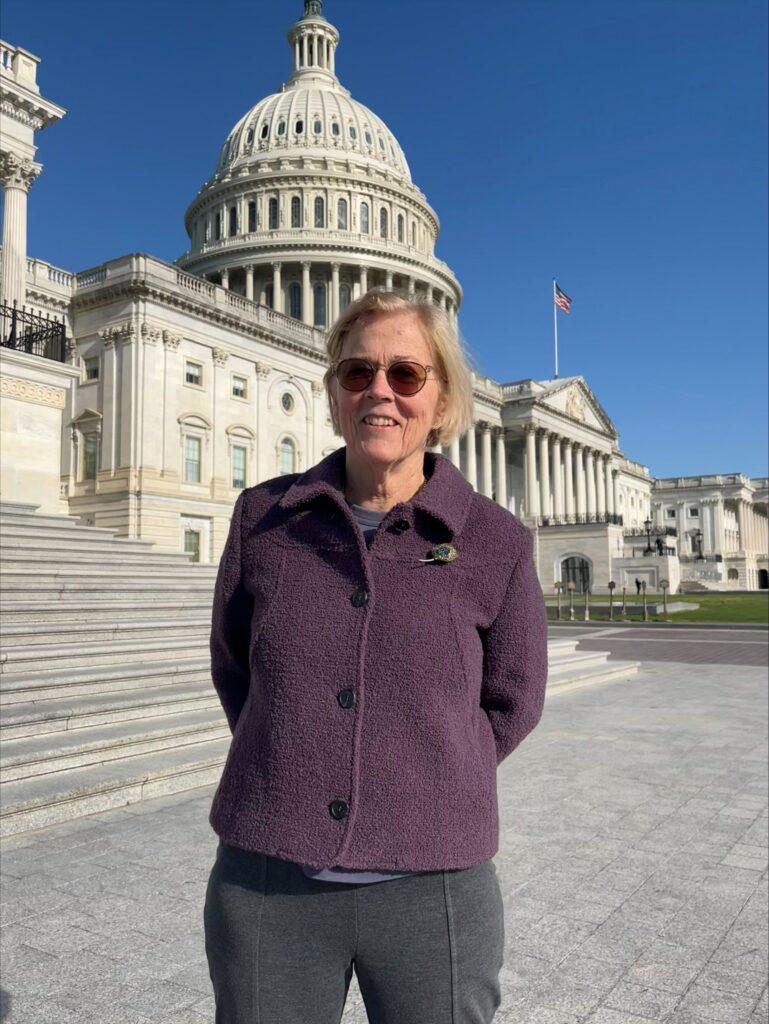
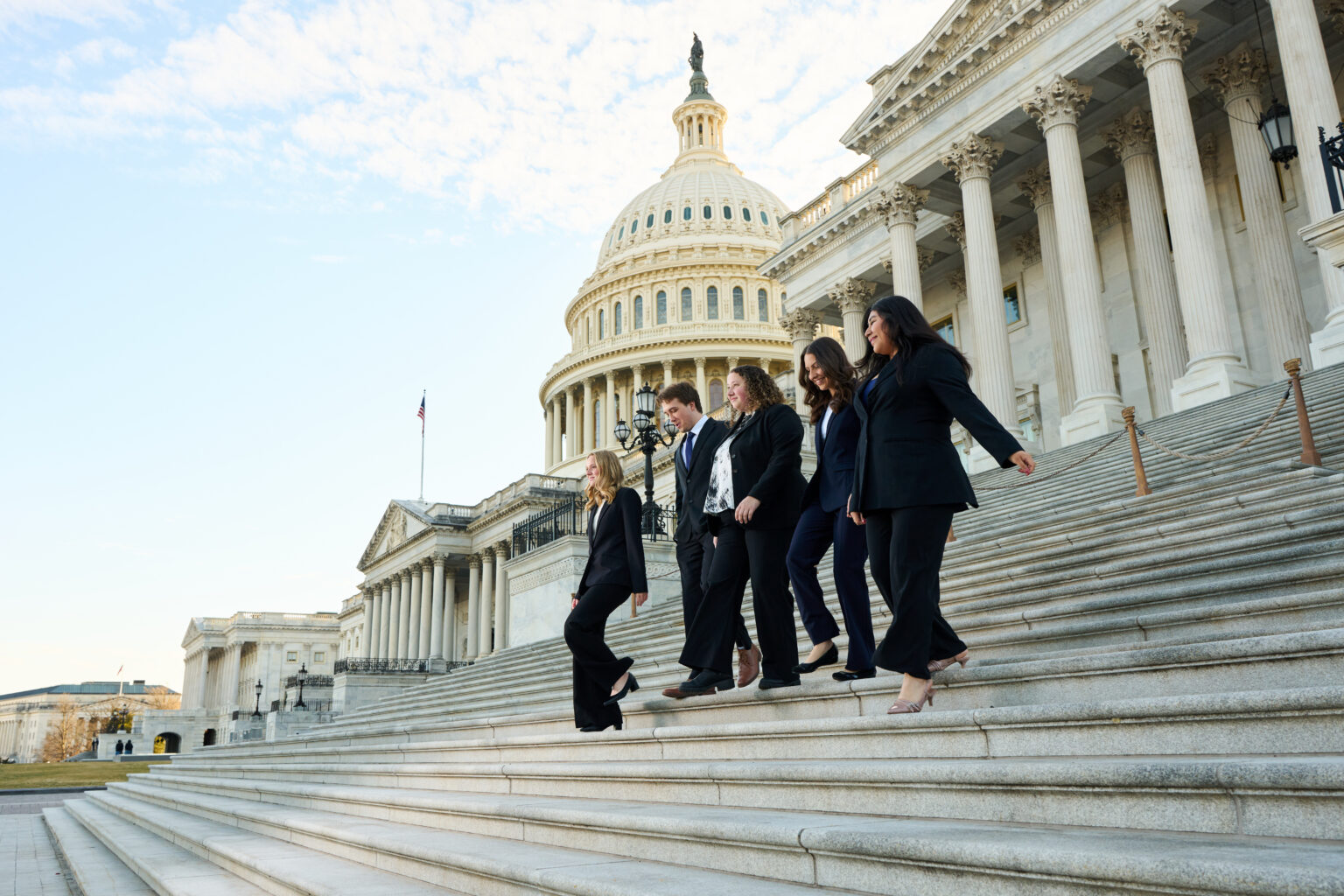
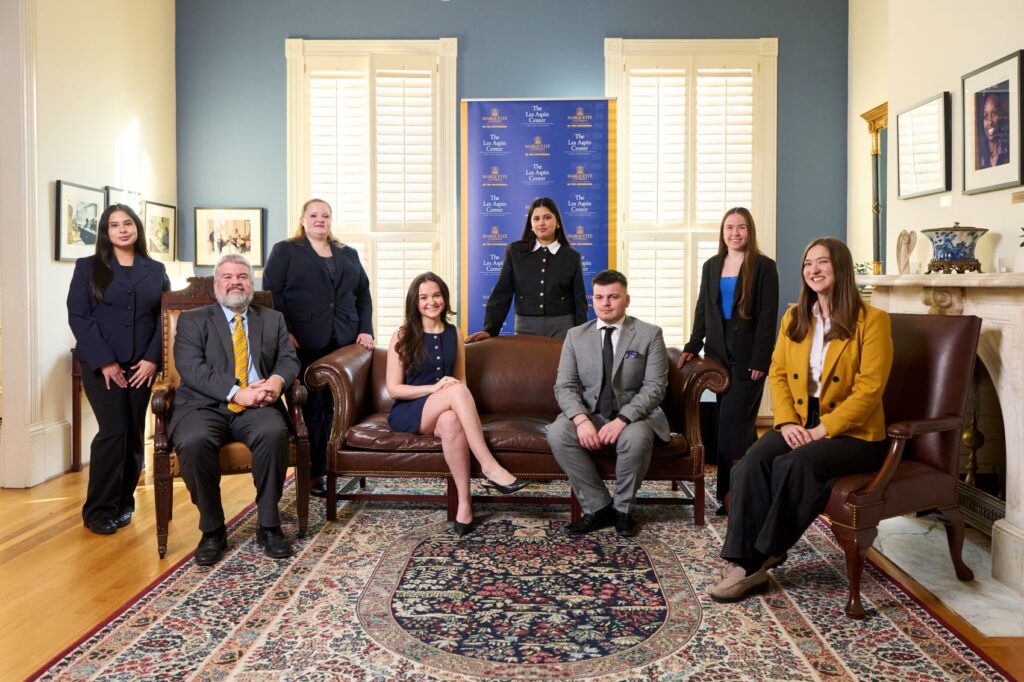
Faith in Action, taught by Dr. Deirdre Dempsey, associate professor of theology, takes place at the Les Aspin Center for Government in the heart of Washington, D.C. This location places students close to hundreds of faith-based public advocacy organizations near the nation’s capital. The class aims to introduce students to the wide variety of faith-based public advocacy organizations in the D.C. area.
The inaugural course took place in the 2026 spring semester and will be offered again in spring 2027.
“This class was really the Director of the Les Aspin Center, Dr. Paul Nolette’s idea,” Dempsey says. “The fact that a surprising number of these faith-based organizations are on Capitol Hill makes sense — the idea is that these groups want to influence public policy on a national or international level, so proximity to the Capitol is important.”
Here in a Q&A, Dempsey explains what students will learn, why this class is relevant today and more.
Walk me through your Faith in Action class and what students will learn?
We start off with a grounding in Catholic Social Teaching — the teachings developed by the church on matters of social justice, the dignity of the human person and the common good. Not surprisingly, since CST is grounded in large part on Scripture, the issues important to Christian faith-based organizations that aren’t Roman Catholic overlap a lot with CST. Many of our students were introduced to CST in THEO 1001, but in this class the idea is that they will see organizations working to educate lawmakers on CST, with an eye to influencing policy. We started the semester talking about CST, and then we visited several faith-based organizations that do the hard work of trying to implement CST into our national life. At every place we went, the emphasis was on: What do you do at this organization? How do you do it? Why do you do it? What are your successes? Your failures?
Public advocacy work done by Roman Catholic groups will be a backbone of the course, but what other faith traditions or religious organizations that are interested in influencing public policy will students learn about?
During the spring 2026 semester, we went to talk with a number of Roman Catholic organizations, as well as with Episcopalian and Quaker organizations. For their in-class presentations, the students were able to pick from a list of other faith-based public advocacy groups, both Christian and non-Christian, which we hadn’t visited. Next time I teach this class, I am planning to arrange visits to organizations associated with other religious traditions besides Christianity. But for this past semester’s class, I thought staying with visits to organizations rooted the Christian tradition made sense; in spring 2027, I plan to include at least Muslim and Jewish public advocacy organizations.
How does teaching this class in the nation’s capital add value to the student’s learning experience?
I don’t think this class could be taught anywhere except Washington, D.C. Nowhere else do we find this number of faith-based organizations interested in bringing their faith-based perspectives to the attention of lawmakers.
A 2011 Pew Research study states, “The number of organizations engaged in religious lobbying or religion-related advocacy in Washington, D.C., has increased roughly fivefold in the past four decades.” Since the study was done 15 years ago, there’s likely an increase in these numbers. How many faith-based public advocacy groups do you believe are in the D.C. area today? Why do you think the number of religious lobbying organizations increased between 1970 and 2011.
In terms of numbers, I’m comfortable saying hundreds. Why the increase? That’s a good question. I think maybe it’s because of a growing belief that religious people are called to witness in the world, to get out into the world and make a difference. Certainly, that would be true of students educated at Jesuit schools, whether high schools or colleges or universities.
Why is this course important to not just political science students, but also to others who may want to more clearly understand U.S. policies or how the world works?
This class actually is double listed: political science and theology. I think it is an interesting and useful class for a few reasons: Students get a sense of who is trying to get their messages to our lawmakers — messages that might influence people’s lives. And in terms of access, who gets to interact with the folks who make our laws. Also, students get a sense of the motivations of these various groups: What is important to them? Why? What do these groups have in common and what distinguishes them? I think most of our students didn’t have a sense that lots of religious organizations are interested in public advocacy — this opens their eyes to that reality.
Why do you think this class is important for students?
The most important part of this class, in my view: the students get to meet and talk with a variety of people deeply invested in their work. I think it can help them think about possible careers, to see how people meld their faith lives and their professional lives.