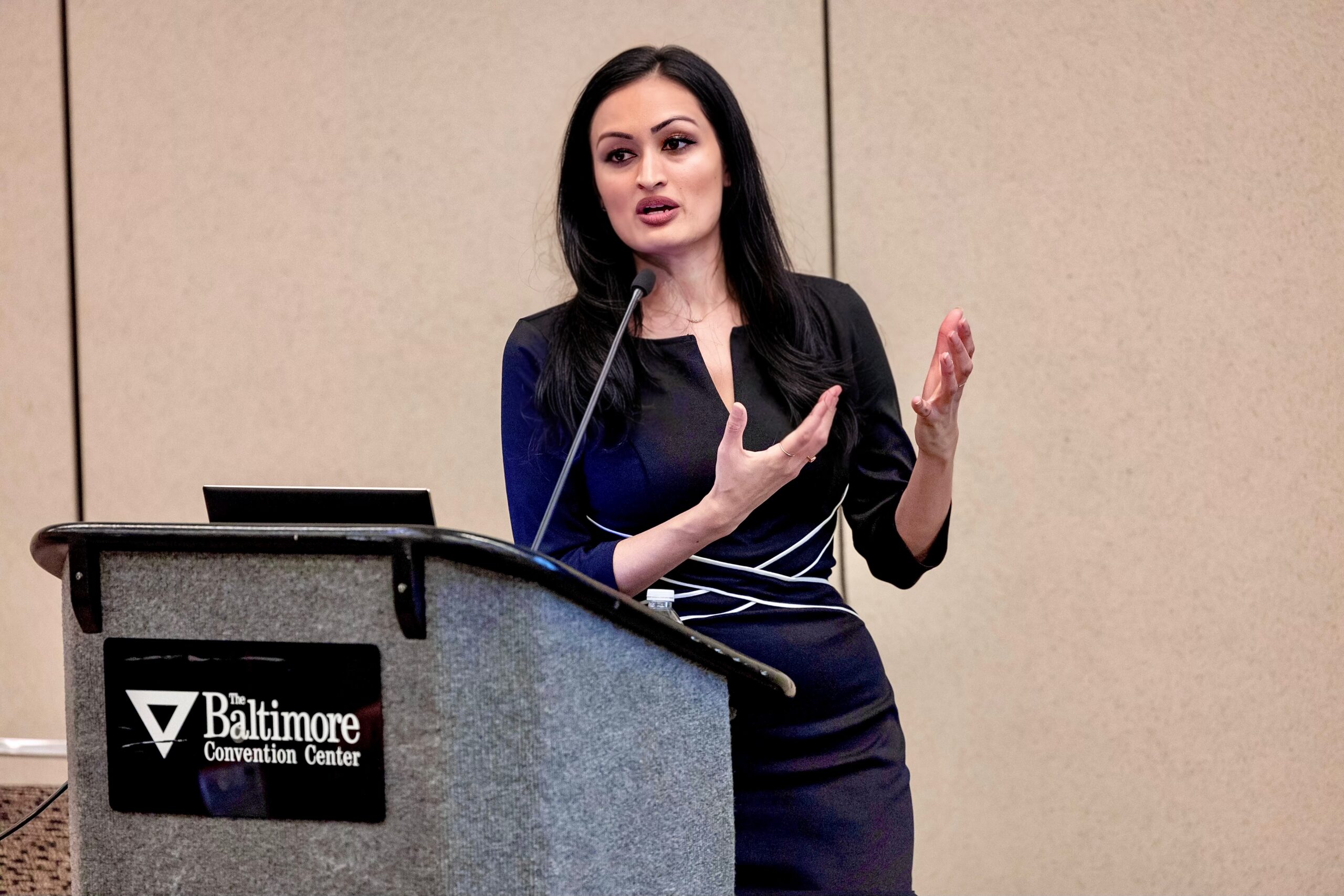
Most people want to stay far away from crises. Payal Patel runs toward them.
The founder and principal of Audacity Communications, Patel specializes in advising clients about proactive crisis communication and reputation management.
“You have to navigate a lot of complexities and a lot of pressure,” Patel says. “It’s tight deadlines and a lot of work, but it’s so rewarding.”
Patel spoke with Marquette Today about her start in sports, how she came to specialize in crisis management and how students can become entrepreneurs.
You initially wanted to be a sports reporter. What kind of experiences did you have in the Diederich College of Communication that helped with that dream? When did it change?
I interned at WISN-TV and they sent me into the Milwaukee Brewers locker room by myself to do interviews. I got to do a little bit of sports video journalism and gather clips to be used both online and over the air. Getting to cover the 2008 MLB Playoffs was such an exciting opportunity!
I graduated during really hard economic times. Some of the rookie reporters were getting laid off. My boss told me to stay close to the industry so they could maybe take me back at some point. I transitioned to public relations thinking that I would gain some experience on the other side of media while I waited to get back into journalism, then ended up loving it so much I never looked back.

What was the first real crisis you ever managed? What did it teach you about yourself and the kind of professional you wanted to be?
During my first PR job working for the Chicago Soul, an indoor soccer team, there was a player who jumped into the stands and had a physical altercation with a fan. Everyone in the stadium was frozen as they watched this unfold and my staff turned to look at me. That’s when I knew this would be mine to manage.
It turns out the player was being targeted with racial slurs and had an understandable emotional reaction to that. We couldn’t condone the behavior, but I went against the advice of the team owner when he asked me to not answer the phones and sweep it under the rug. I felt like we had to respond and no one had the full picture behind what happened.
We had a press conference, and this is the first time that an indoor soccer team in Chicago was getting that kind of coverage. I firmly believe every crisis can be an opportunity, and I saw this as an opportunity for us to set the record straight. He apologized, accepted responsibility, but also talked about what a painful experience it was for him to hear those words as a Black man. Fans showed up with signs saying, “We stand with you” and “We love you” to the next game. It really showed how you can turn a negative into a positive with a proactive response.
You’ve done a lot of work for the United Nations. Explain a little bit about what you were tasked with doing for them and why it’s important to you.
I came across an opportunity to join the board of directors for U.N. Women, and I was fortunate enough to be selected and appointed to the board. We helped pass a major initiative called Safe Cities, Safe Public Spaces, which major cities have adopted as an approach to keep their cities safe for young women and girls.
At the end of my tenure with U.N. Women, I was recruited to be an ambassador for Global Goals for the United Nations Association. There are 17 goals that have been adopted by the U.N. as part of their 2030 agenda for a more equitable and sustainable world. My goal was No. 8: decent work and economic growth. I tried to implement a lot of initiatives around women in the workforce specifically, which is something I feel very passionately about.
You eventually decided to strike out on your own and start Audacity Communications. What led to you wanting to do that?
I saw such a huge opportunity in the market for crisis management, because more companies and organizations are becoming vulnerable to crisis. You can’t escape it. There is no more saying “no comment” and hoping it goes away. We all have to find a way to communicate about it. I had the skill set and then I went to Northwestern for grad school to hone it.
And even after all that, I’m not always confident. I want people to know it’s OK to take a leap of faith and do it while you’re scared. Courage is doing something when you’re afraid, and entrepreneurship is one of those things.
What advice would you have for students who might want to go that entrepreneurial route?
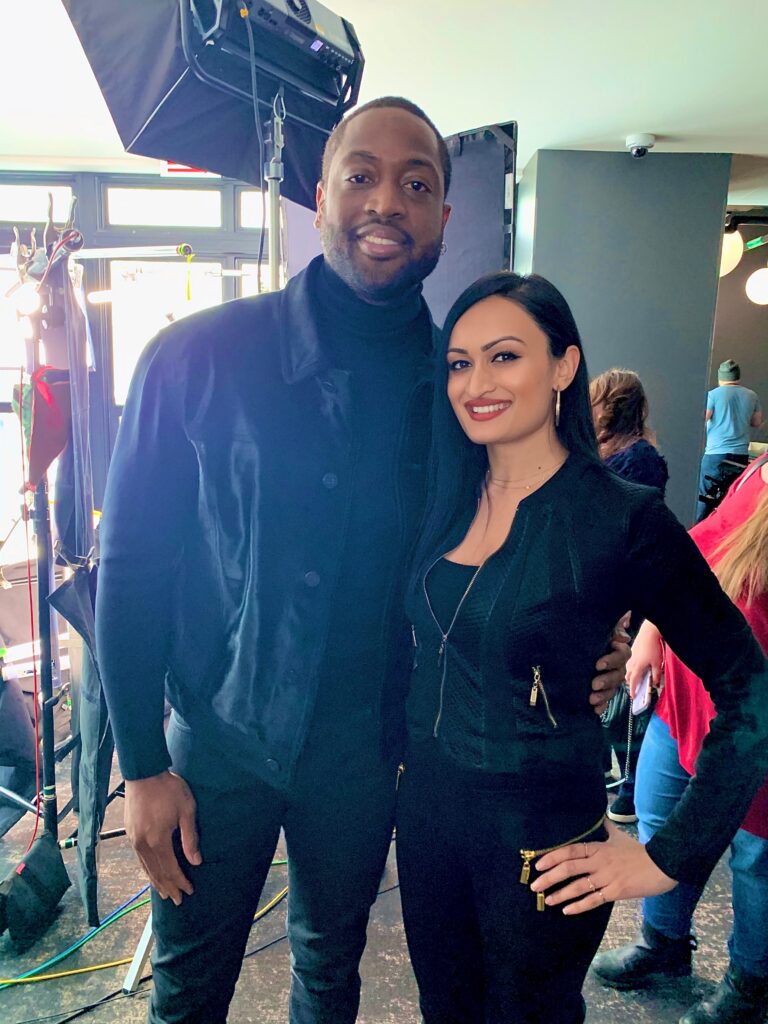
I would recommend getting that in-house experience first, just so you can see how things operate, establish connections and work on a skill set. I was fortunate to do that. The experiences I had in sports, with the Soul and the Fire and the NFL Players Association, were critical in helping me develop my skillset. This taught me a lot that I wouldn’t have gotten if I had jumped straight into entrepreneurship.
You’ve worked in sports PR and event/tourism, two exciting industries that nonetheless come with a lot of lifestyle demands. Could you illuminate what some of those demands look like?
One of the things to keep in mind when you choose careers like that is that it takes a lot out of your schedule. Working in sports means working late at night. Similarly, with Navy Pier, I worked Fourth of July and New Year’s Eve. My summers were basically completely committed for both sports and Navy Pier. You’re working long hours and you’re highly visible, so the stakes are equally high.
That’s not to scare anyone or discourage them from the industry or pursuing this path, but I would advise people to just to go into it with your eyes wide open.
Is there a particular person at Marquette who was instrumental in helping you become what you are today?
(Associate Professor Emeritus) Dr. Gee Ekachai was someone I had deep respect for. She always formed relationships with her students and very much created an atmosphere where it felt safe to ask questions, make mistakes and have fun.