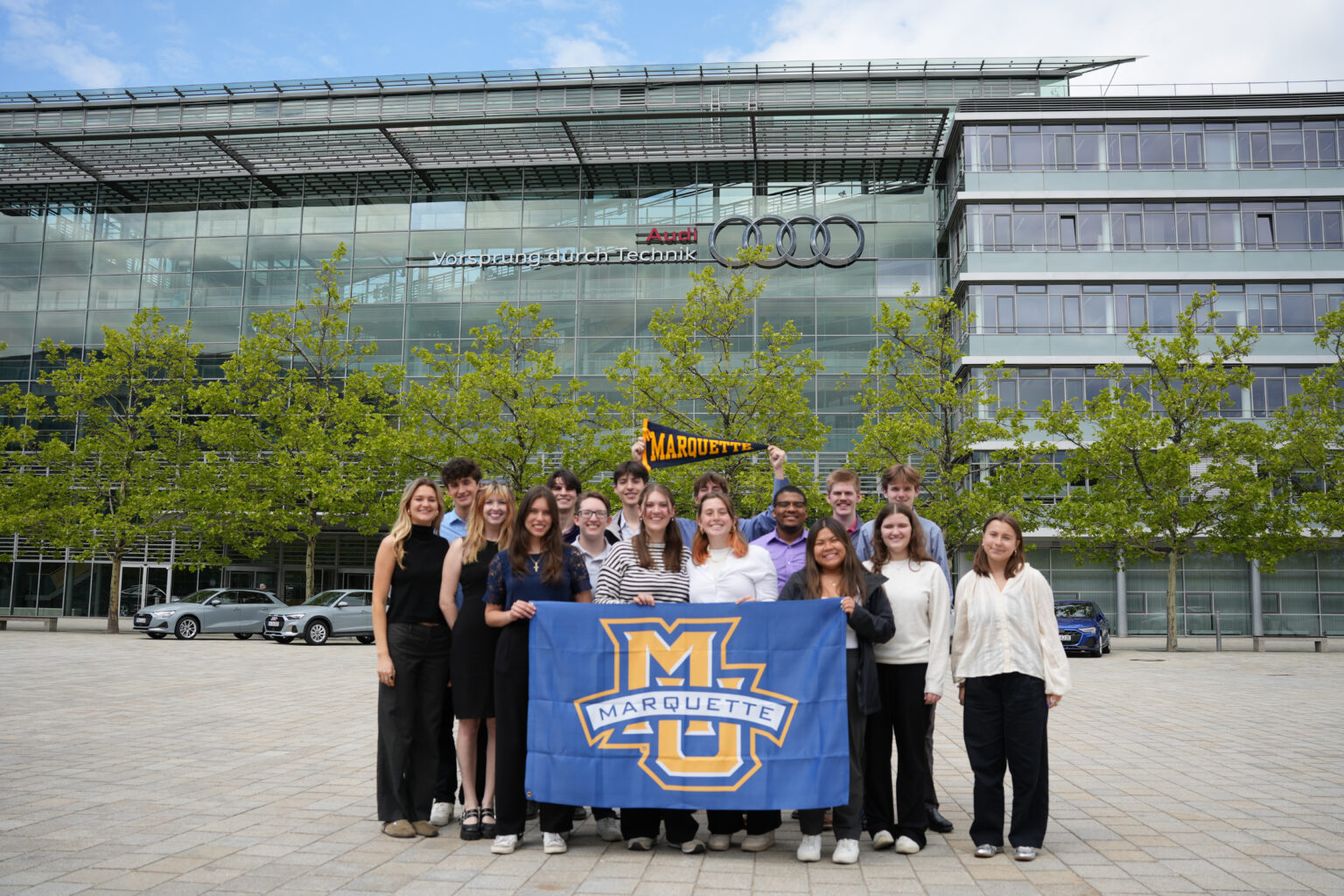
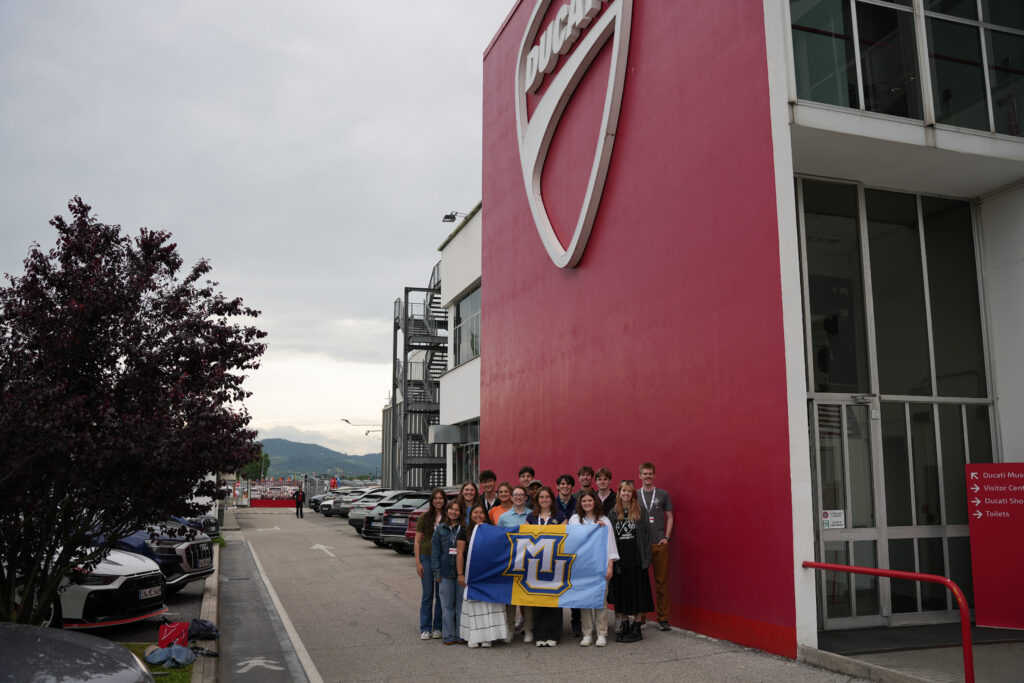
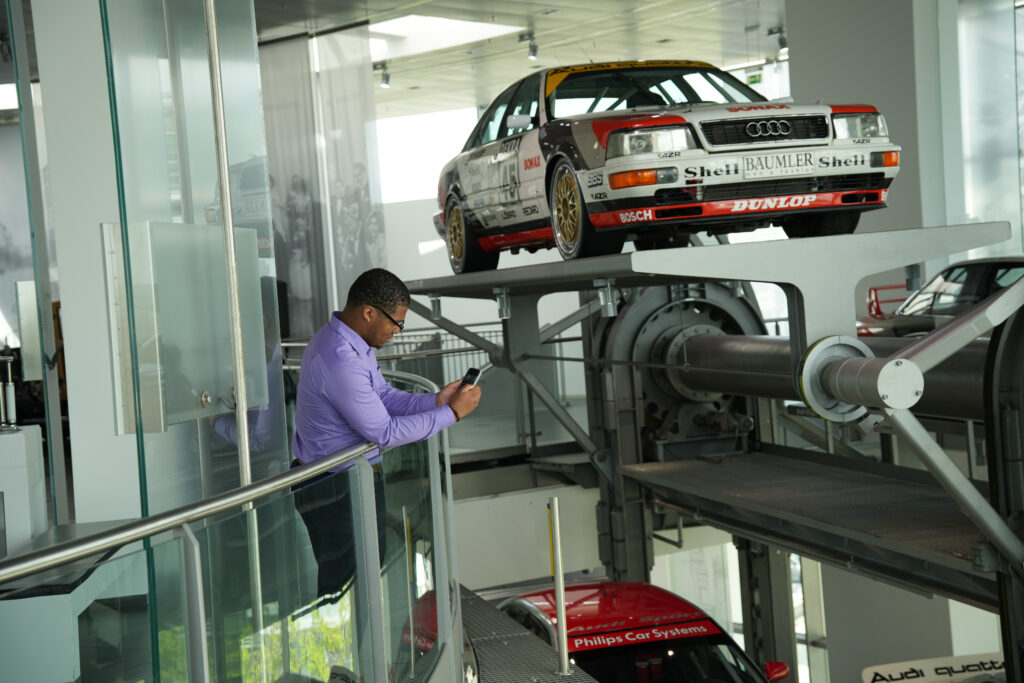
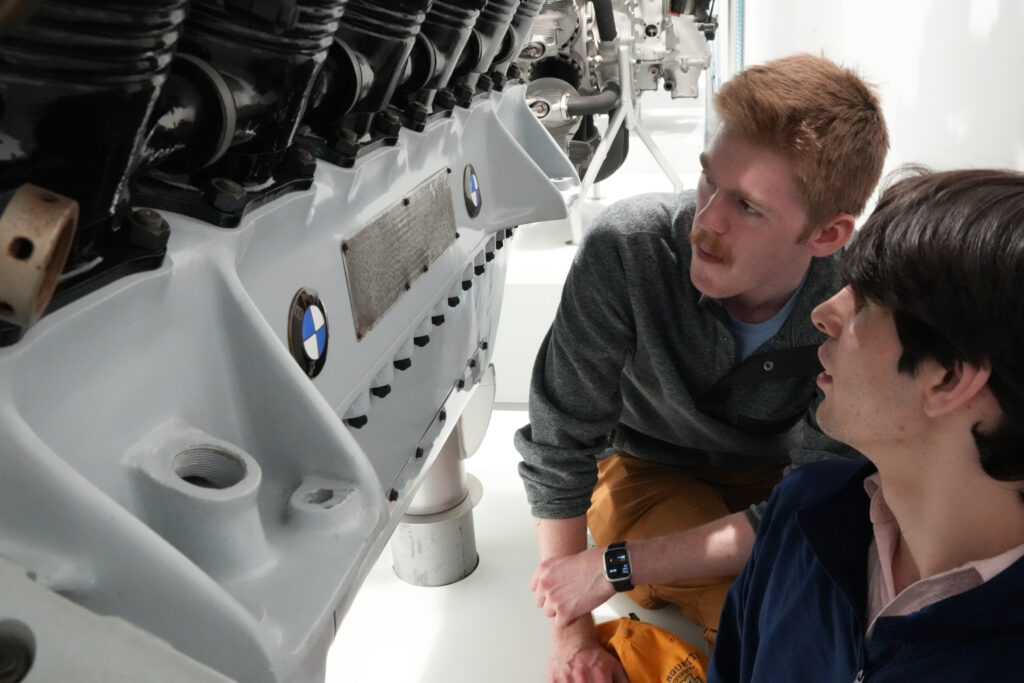
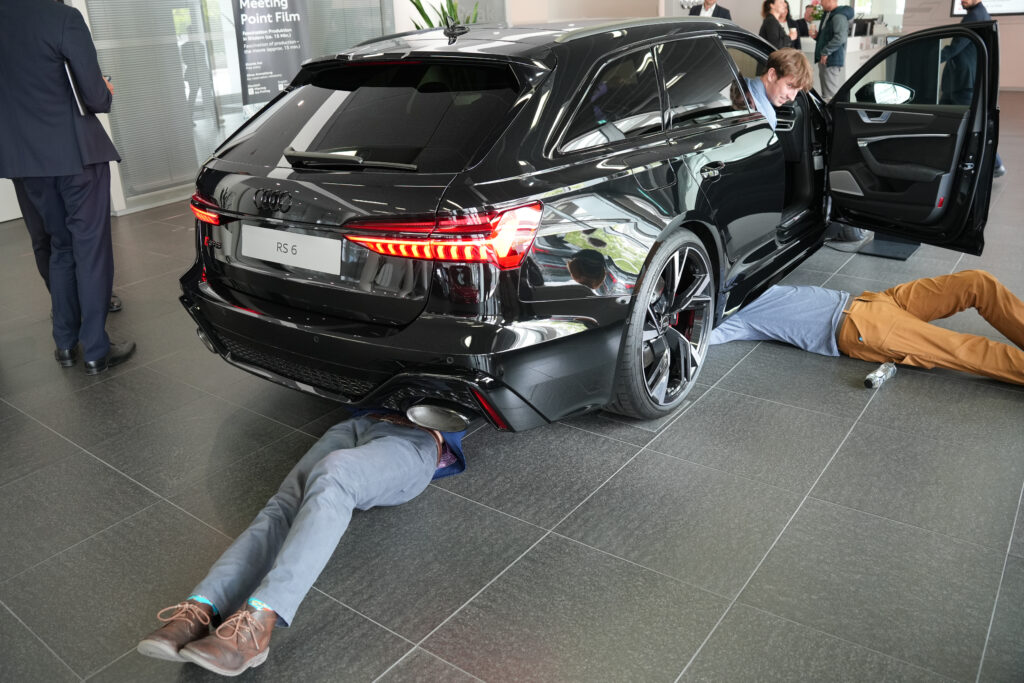
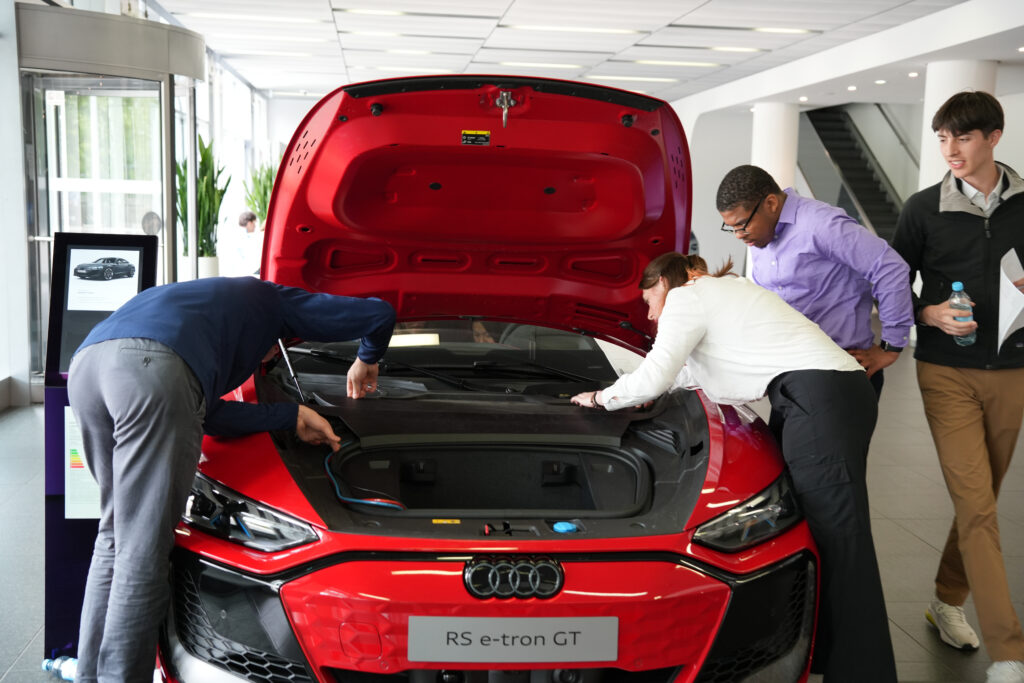
If you take engineering students to Audi’s headquarters, they will start popping the hoods of any car they can touch. Tour them through Ducati’s manufacturing floor, and they will lean as close as they can to the production line. Feed them pizza and espresso at a lunch with engineering students from around Europe, and they will let their biggest questions fly across the table.
This craving to get as close to “hands-on” as possible was a persistent theme for 16 Marquette students who traveled to Italy and Germany this summer, and it is precisely why the trip was designed and hosted by Marquette’s Opus College of Engineering. Soon enough, these students will begin their careers and have their own share of global engineering problems in their hands.
“Even when working in a local community, an engineer’s work is always connected to a wider world. An engineer can have colleagues, customers, competitors and stakeholders in any time zone on the planet, and the advance of technology and innovation itself is never fully contained by borders,” says Dr. Kristina Ropella, Opus Dean of Marquette’s Opus College of Engineering. “To prepare our students to lead meaningful change, we are broadening their understanding of engineering and its connection to cultures and people.”
This vision shared by Ropella is what sparked the creation of the Opus College’s new Global Engineering program to bring students face-to-face with technology and people around the planet. Combining on-campus course work with structured international experiences, the program aims to prepare engineering students to understand problems and solutions across contexts, and the importance of intercultural communication and global leadership in an interconnected global workforce.
The 2025 inaugural trip took students to Milan, Italy, and Munich, Germany, to explore each region’s professional, academic and cultural practices around engineering and innovation. The itinerary included visits to engineering companies, universities and cultural sites, often with behind-the-scenes access and open-ended conversations.
Meeting the people behind global engineering innovation
Walking through Ducati’s expansive motorcycle manufacturing floor in Bologna, Italy, reveals things that the internet cannot offer. So different, that Ducati placed stickers over the camera lens of each student’s cell phone.
“Ducati’s factory was spotless,” says Veronica Arghiropol, a rising sophomore who participated in the trip. Marveling at the machinery and the systematic design of Ducati’s manufacturing floor, Arghiropol’s attention was also drawn to a more human element that she did not expect.
“I really noticed the people working there. They were so happy and so much more relaxed than I expected,” she says. “It was so organized, but so stress free at the same time, which was interesting for me to see in a work environment.”
This dual attention to people and technology was precisely what the itinerary was geared toward. At each company visit, students were encouraged to observe the practices, personalities and values of the people driving the innovation at hand.
“We of course want students to be inspired by world-class technology, designs and products, but more importantly, we want them to understand the people who are influenced by a local culture, economy and way of life,” says Dr. Lisa Chase, assistant director of engineering education.
Months before the trip, Chase and collaborators curated a varied itinerary that would not only showcase an array of industries and sites, but an array of people and personalities to connect with.

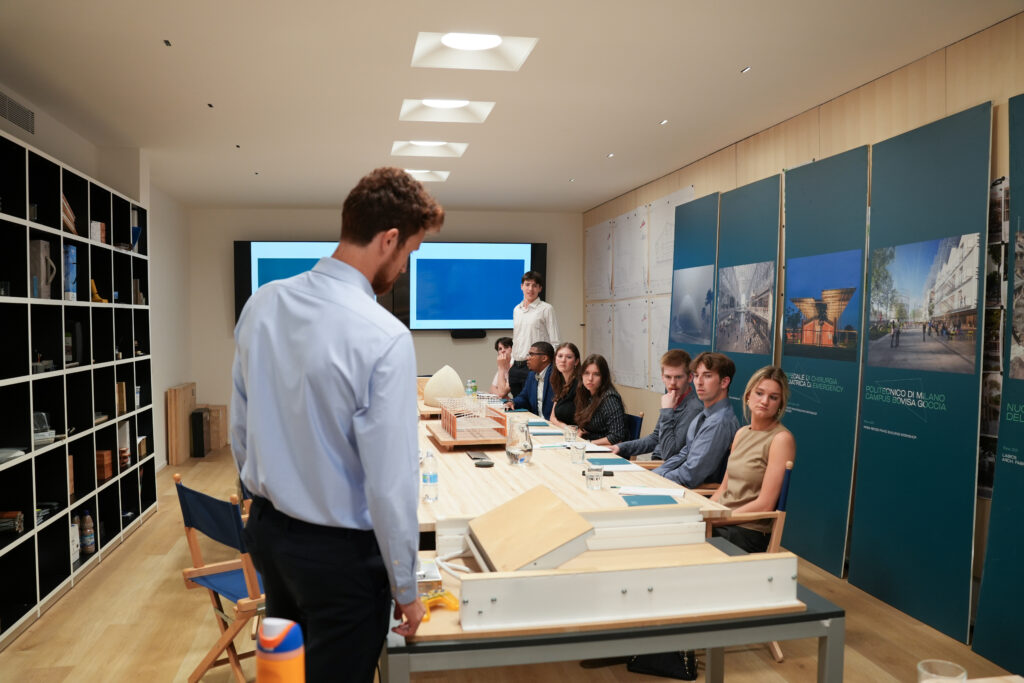
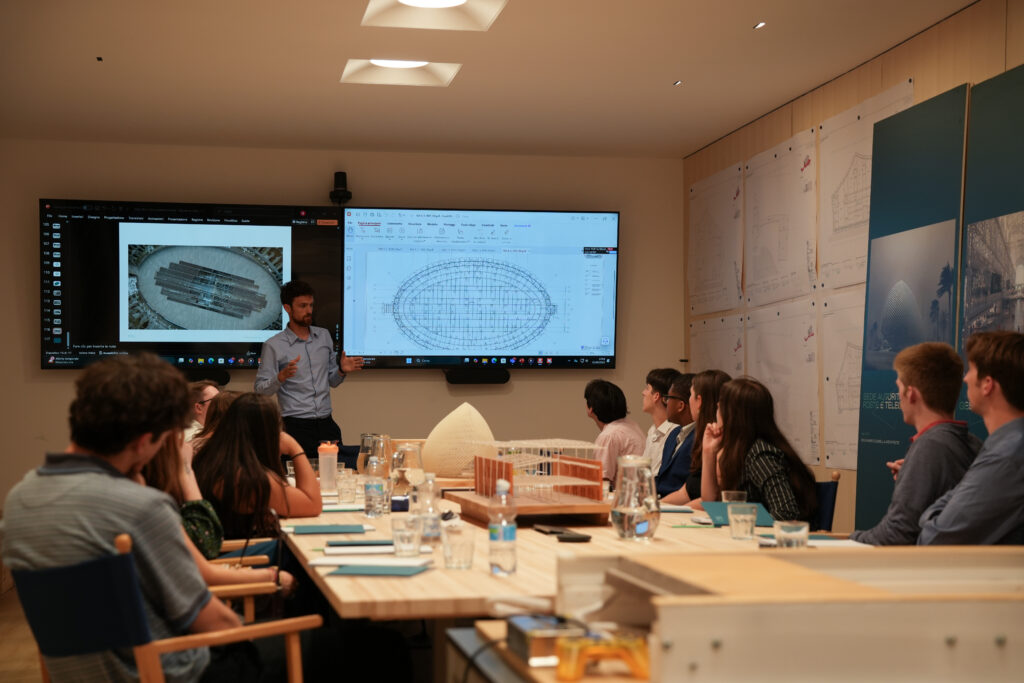
In Milan, students stepped off the chartered bus and into a closed-door meeting with an executive of Buro Milan, a civil engineering firm with private and public projects across four continents. The culmination of the open Q&A came when the executive opened his personal files to review the early blueprints for the Roman Colosseum’s new retractable floor — one of Buro Milan’s most competitive project bids to date.
A mirror of this conversation occurred a week later in Munich, as students sat down with a design leader at Transsolar KlimaEngineering, an international company focused on creating climate-responsive built environments around the world.
These opportunities to connect with professionals at companies large and small were the cornerstone of the trip. Each visit offered a unique glimpse into the work and life of engineers abroad, and with curiosity sparked, students’ questions ranged from design choices to career choices to historical tour choices.
Feeling the gravity of history and culture
Interspersed throughout the company visits were opportunities for students to explore each region’s history and culture. In their free time, students roamed freely to pursue their own interests and discover each region. Organized tours also brought the group together for structured visits to tour museums, churches, castles, street markets and more.
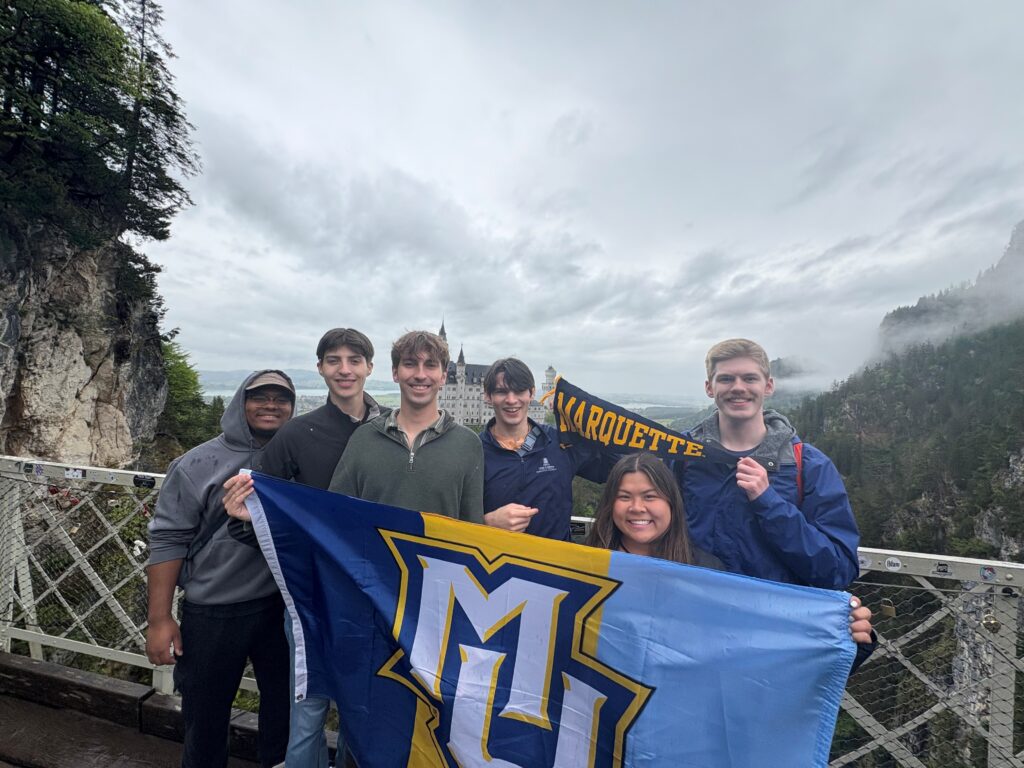
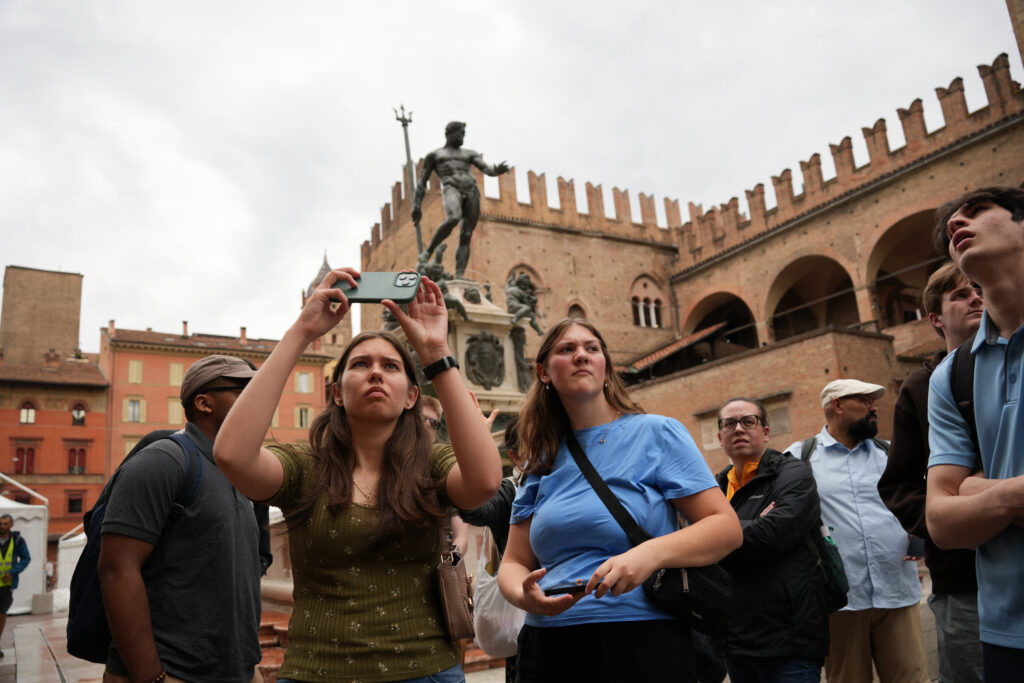
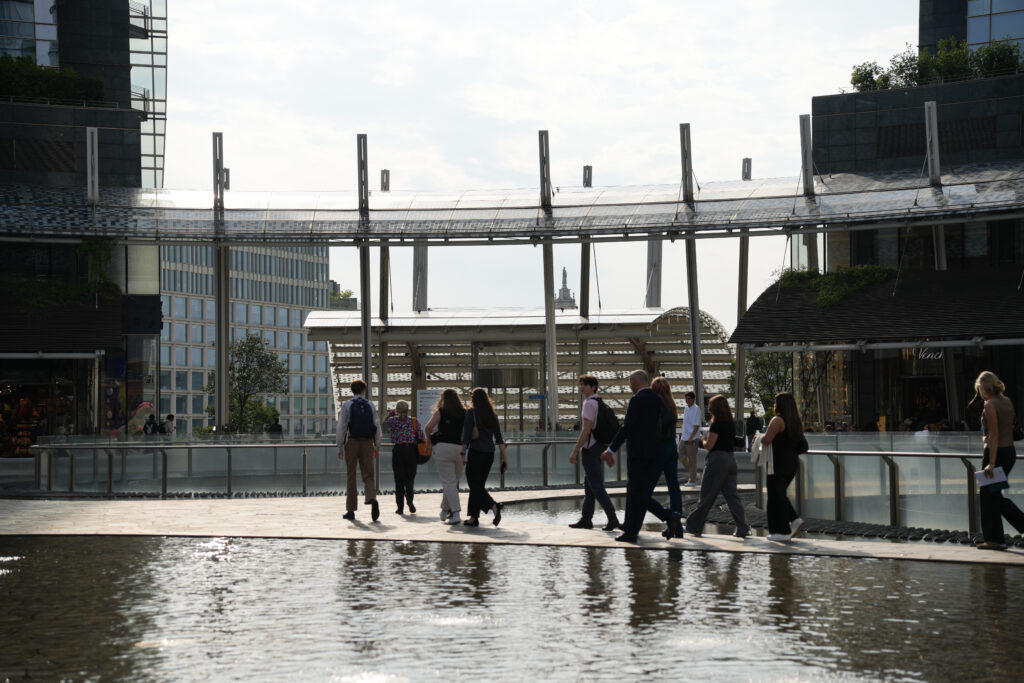
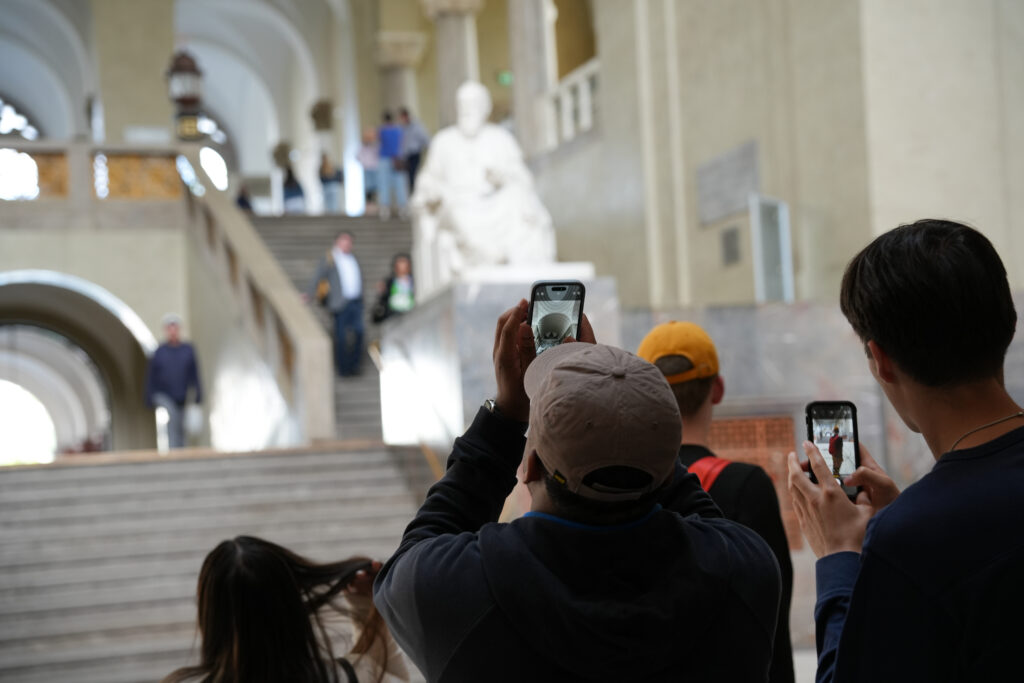

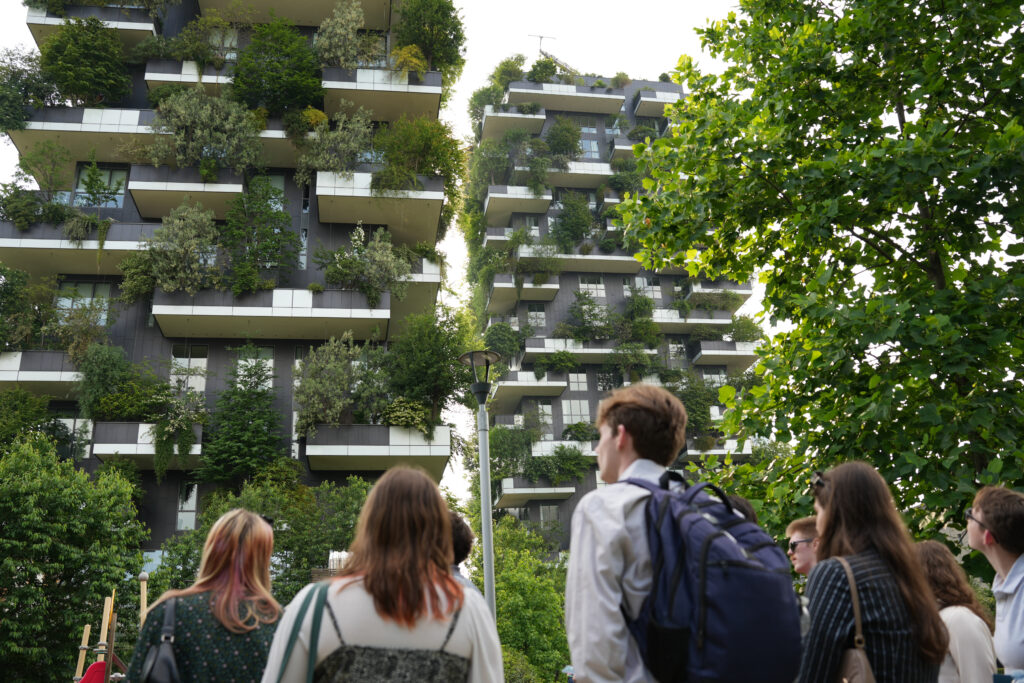
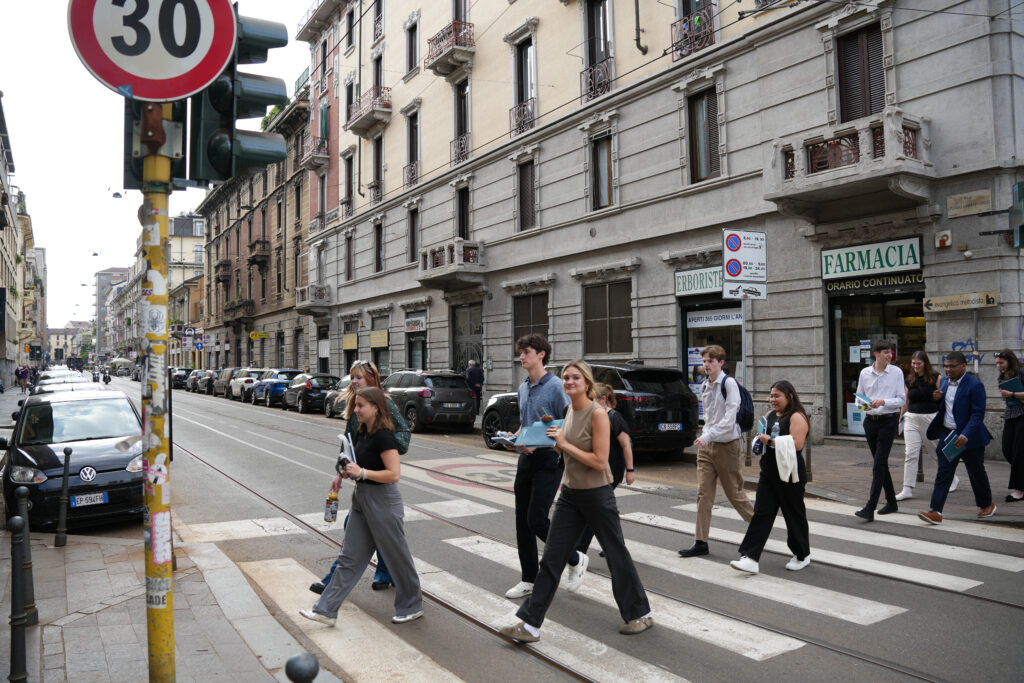
“The cultural and historical visits are not intended to be separate excursions or a diversion from the engineering focus,” says Chase. “Seeing how people live, how their values are expressed in the environment, and understanding their history is essential to understanding their approach to technology.”
A tour of the Dachau concentration camp outside Munich marked the students’ most significant historical visit, framing the remainder of their time in a region that continues to reconcile its not-so-distant past. A visit to BMW provided one of the clearest threads between that history and the responsibilities of engineers, as BMW’s headquarters include a public exhibition acknowledging its industrial role in Nazi Germany’s atrocities.
Learning from fellow students around the world
Visits to universities and research institutions in both regions rounded out the two-week itinerary, giving Marquette students an opportunity to explore how Europe is preparing its own workforce of future engineering leaders.
For Luke Martinez Jaworski, a rising junior, these visits opened his eyes to educational systems he had never considered, and even the opportunity to contrast Italian and German institutions.
“The Italian university shared a lot about their research opportunities as well as their graduate program, which gave students the opportunity to explore what interested them and make their own discoveries,” says Martinez. “The German university seemed to create a more technically focused education based on what needs or interests there were within Munich.”
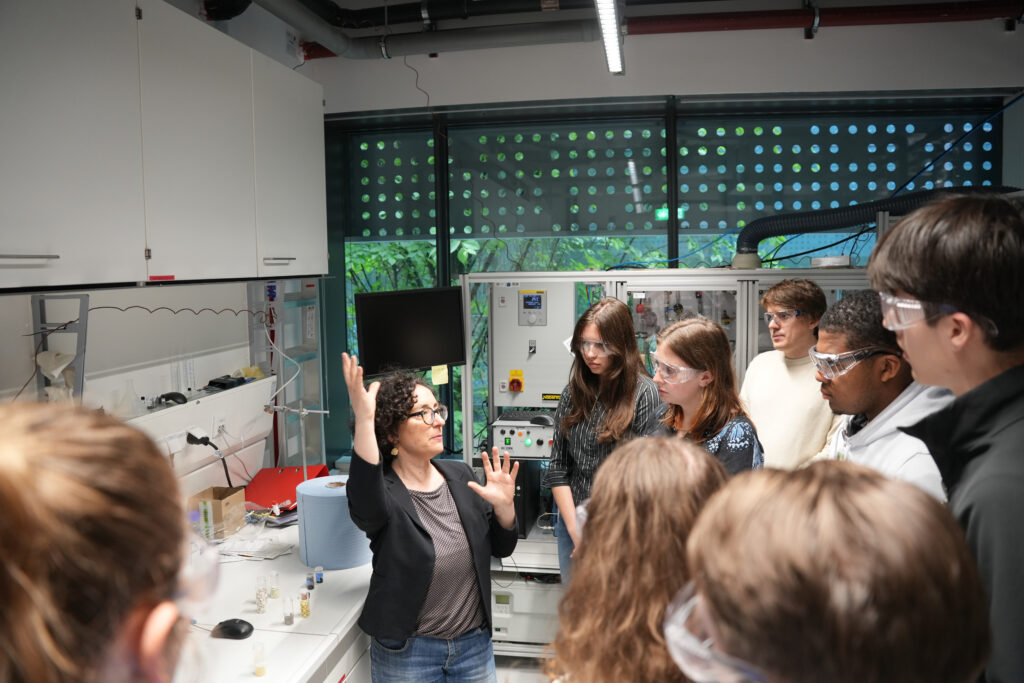


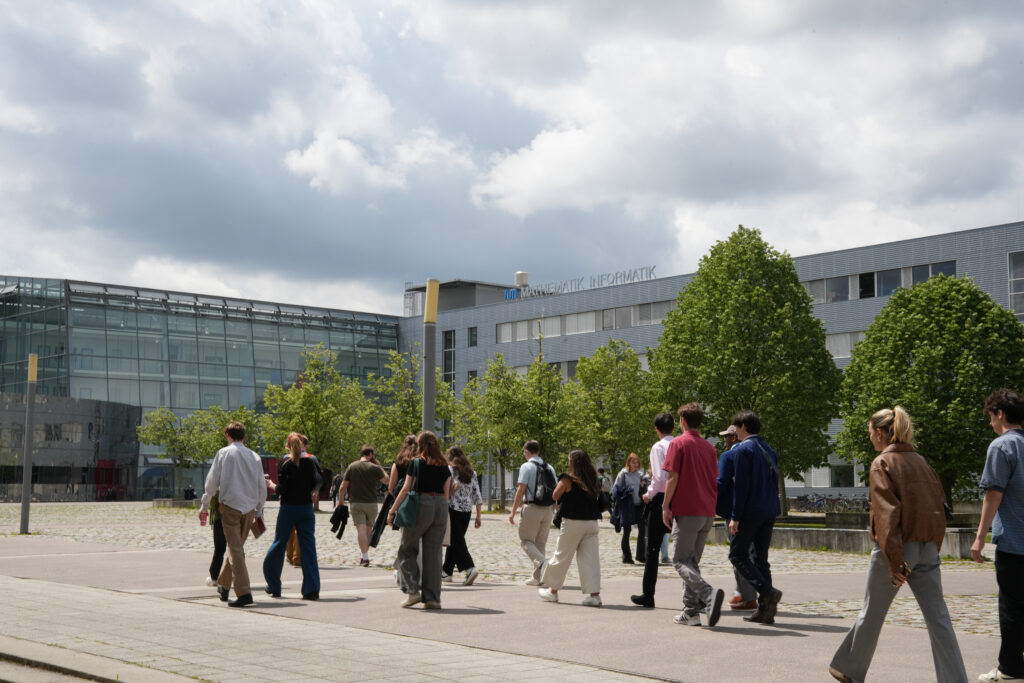
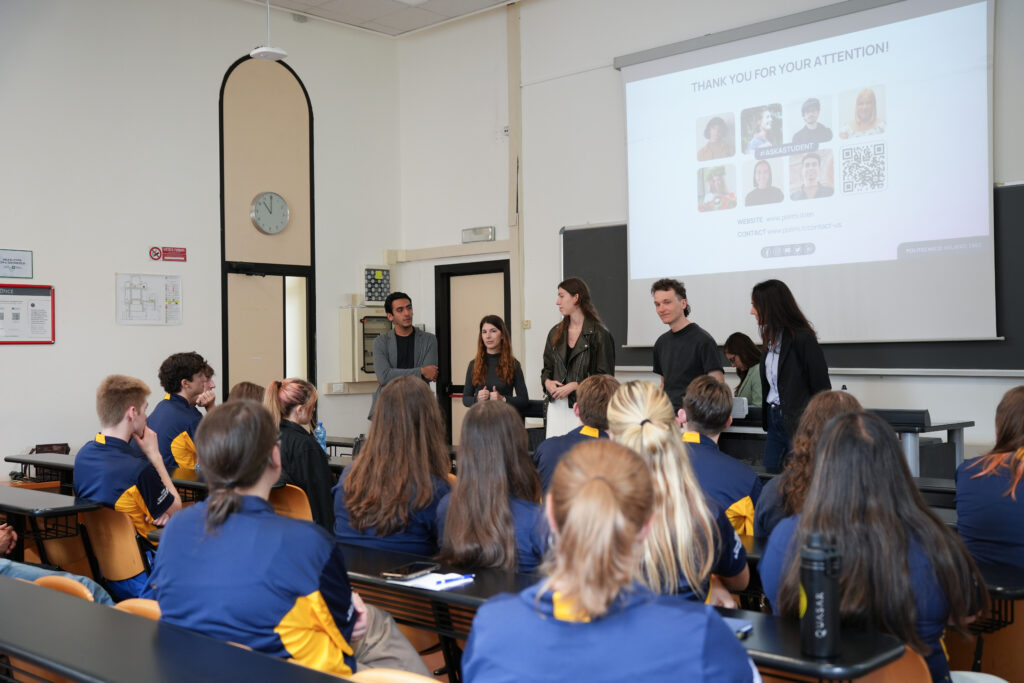
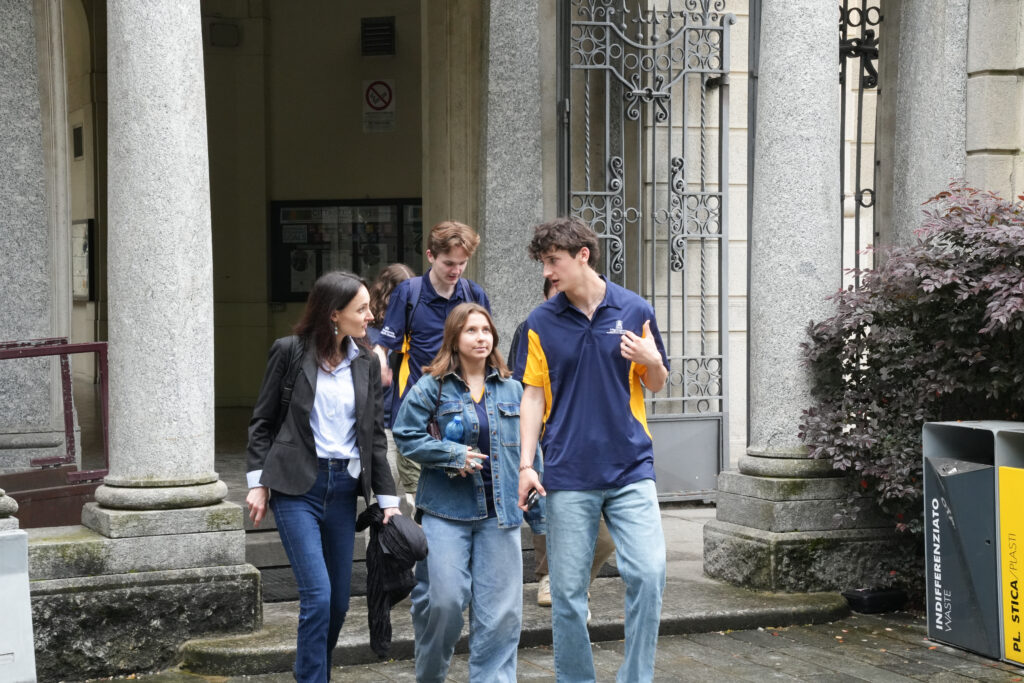
In Milan at the Politecnico di Milano, Marquette students heard from a panel of polytechnic students hailing from Germany, Mexico, Portugal and Hungary, each with their own story, culture and passions to share.
Meanwhile, at the Munich University of Applied Sciences, students had the opportunity to attend an automotive engineering course informed by the automotive industry giants just a few miles away.
Broad opportunities for a wide world
With the program’s early success in Europe, plans are underway for repeat and new offerings for students to experience diverse regions, industries and cultures.
In 2026, the Opus College is planning a return to Italy and Germany, as well as a one-week trip to Belgium. In the years ahead, the Opus College is aiming for destinations in Asia, Africa, South America and Australia, with room for some trips to align to specific engineering majors or career aspirations.
“Every year, we quote St. Ignatius and ask our graduates to ‘go forth and set the world on fire.’ It’s important that we equip our engineers to do that well by showing them the world in its fullest form,” Ropella says.