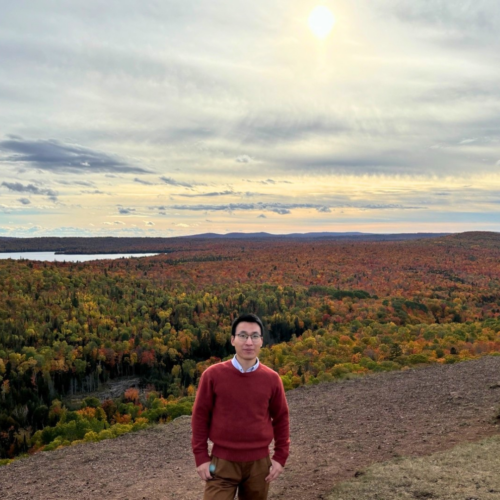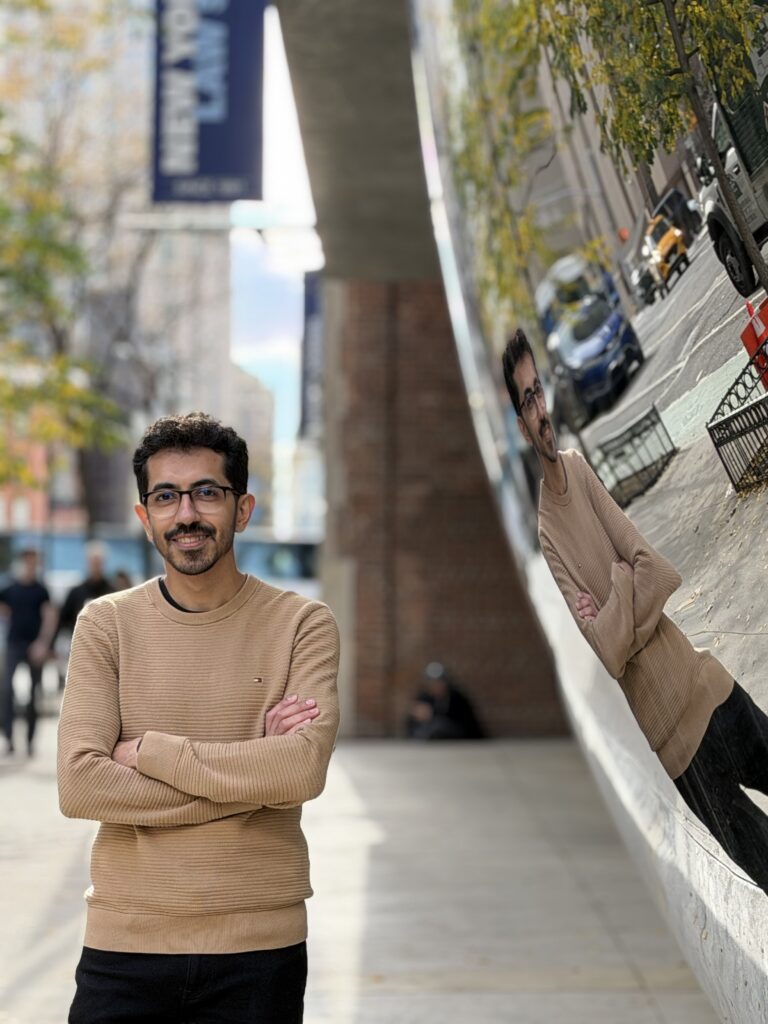
When Iman Hosseini was growing up in Mashhad, Iran, he liked watching his older brother build electrical circuits. His brother worked with schematics, made printed circuit boards from scratch and soldered components by hand. For Hosseini, watching the process was fascinating. He was also intrigued by the tools his brother used. As a child, having his own set of tools seemed almost as exciting as learning how to build something with them.
That early interest eventually led Hosseini to study electrical engineering and pursue a Ph.D. at Marquette University. Now, he spends much of his time working on research that could have an impact on the future of aviation.
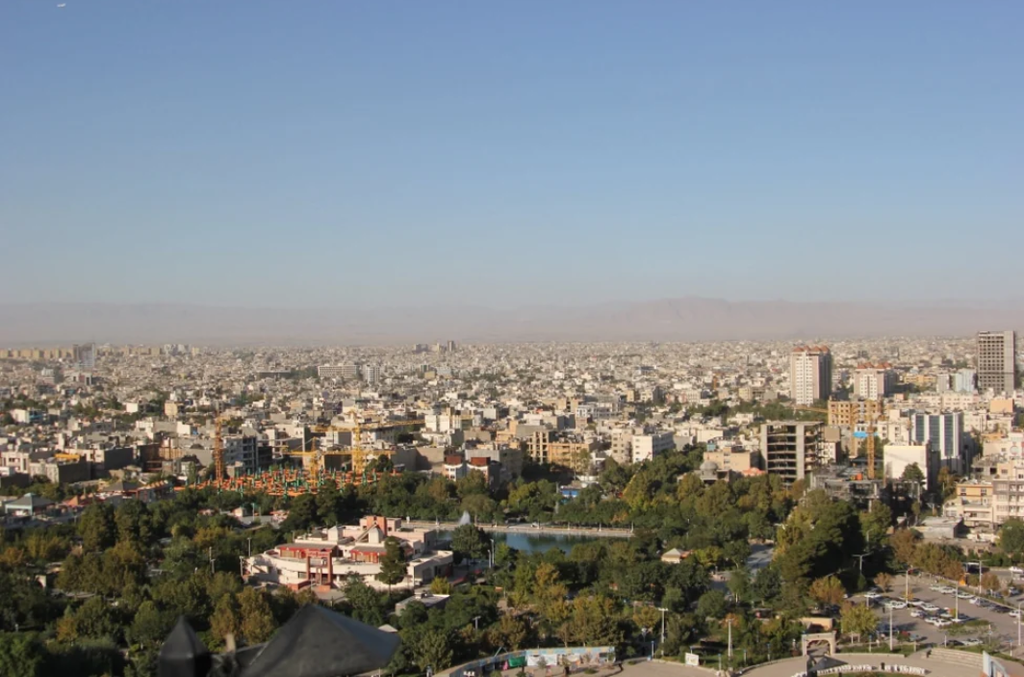
As part of its International Education Week (IEW) celebration Nov. 16–20, 2027, the Graduate School is featuring international graduate students and sharing their experiences at Marquette. Hosseini’s story begins in Mashhad, a city of more than 3 million people and the second most populous in Iran.
Mashhad is known for its religious significance, but it also has a strong connection to Persian arts and culture. The city is associated with figures such as Ferdowsi, one of the most influential poets in Persian literature, and Mohammad-Reza Shajarian, a prominent figure in traditional Persian music. It is also known for its carpets, turquoise gemstones, saffron and barberries.
Hosseini grew up with his parents and two older brothers. Being the youngest had its advantages, he said, joking that he was his parents’ favorite child. Life with two brothers meant plenty of wrestling, chasing each other around the house and occasionally breaking a vase or another piece of home décor.
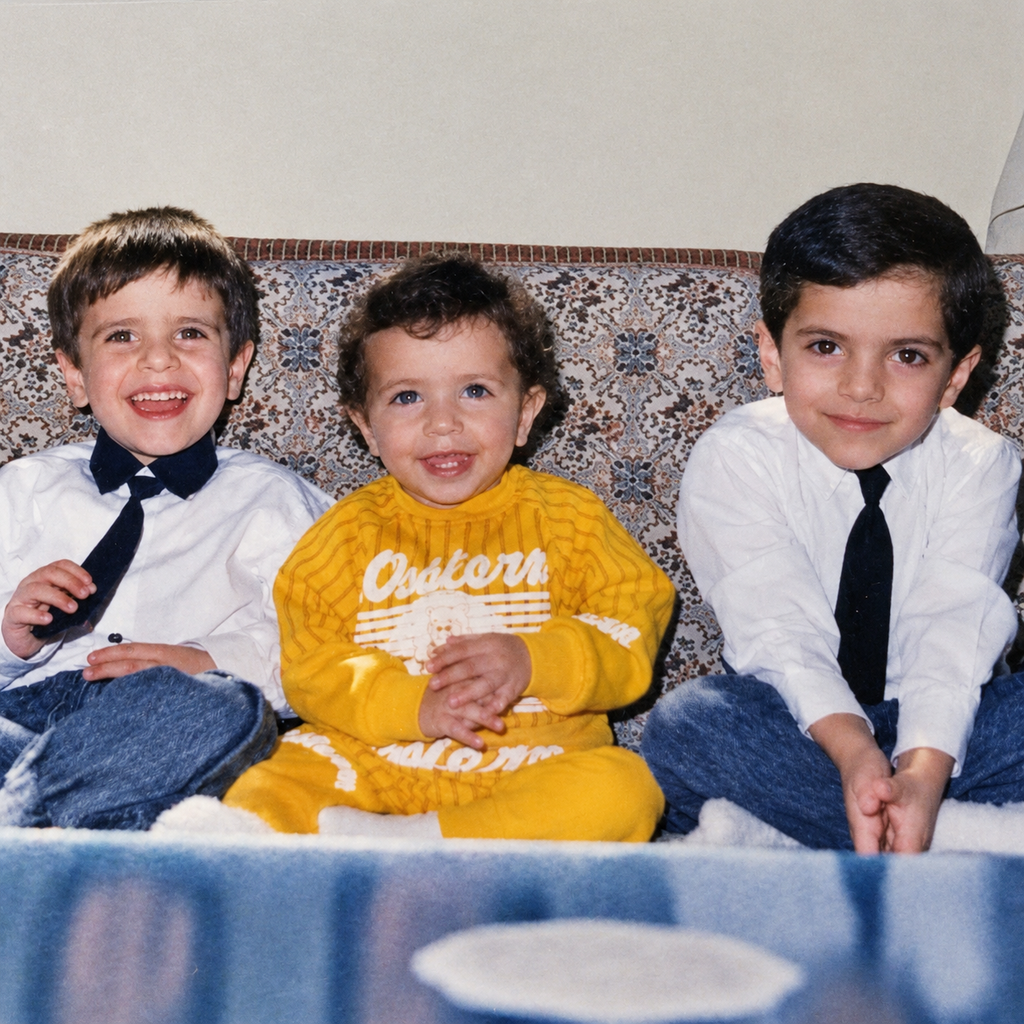
He spent much of his free time playing soccer and video games with his brothers and cousins. And when he thinks about home, one meal comes to mind: ghormeh sabzi, a Persian stew made with fresh herbs, kidney beans, lamb and dried lime, usually served with rice. “Honestly, it just hits different when my mom makes it,” Hosseini said. “She always adds a little extra love.”
Finding his way back to engineering
Hosseini earned his undergraduate degree in electrical engineering, focusing on power electronics, at Ferdowsi University of Mashhad. His experience in college, however, wasn’t quite what he had expected when he first became interested in the field. Much of his time was spent studying reference materials. After graduating, he wasn’t sure he wanted to continue on the same path. It was a job at a small company that changed his perspective.
There, he had the opportunity to work directly on designing and building electrical circuits. The hands-on work reminded him of what he had enjoyed as a child watching his brother. He also became interested in power electronics, a subject that hadn’t been part of his undergraduate curriculum. That experience brought his interest in electrical engineering back into focus and eventually led him to consider graduate school.
Marquette came onto his radar through a LinkedIn post shared by a friend. The post advertised an opening in a research lab, and Hosseini decided to reach out. He sent his résumé to Dr. Nathan Weise. Hosseini interviewed with Dr. Weise and the research team and was accepted to join the team. Hosseini said Weise has been an important source of guidance throughout his time at Marquette.
“Dr. Weise is such an awesome advisor and mentor to me,” Hosseini said. “I have learned so much from him, not just academically but also beyond it, and I’m truly grateful to have the opportunity to work in his research lab.”
For the past couple of years, Hosseini has been working on a project funded by the Advanced Research Projects Agency-Energy (ARPA-E), part of the U.S. Department of Energy. The research involves designing a new type of electric motor system that places the electronics controlling the motor directly inside the motor itself. The idea is to make electric motors more powerful and compact, which could help move electric aircraft technology forward. Hosseini’s team designs and tests the electronics and drive system, while another Marquette team works on the motor.
Research has also given him a better understanding of what it means to work toward a doctoral degree. Hosseini said getting started on a new project can be difficult, especially when he is entering an area he doesn’t know well. At the beginning, he sometimes wonders what he can contribute when so many research papers have already been published on a subject, but once he works through the initial challenges and completes a project, his perspective changes.
For Hosseini, the satisfaction comes from seeing how much he has learned and knowing that the work could eventually make a difference. He also values the personal and professional development that comes from taking on something unfamiliar.
“There is something incredibly satisfying about starting with very little knowledge of a subject and gradually building enough understanding to contribute something meaningful to it,” Hosseini said.
Finding community in Milwaukee
Moving from Mashhad to Milwaukee meant getting used to a very different way of life. Living on his own has been one of the biggest adjustments, along with learning to navigate a new culture and language.
The weather also took him a bit to get used to. Mashhad generally has a hot, dry climate, while Milwaukee is cold and humid for much of the year. Hosseini said he initially found the change challenging, but he has since discovered that he actually enjoys the cold.
Some of his expectations about the United States also changed after he arrived. Before moving, movies and television had shaped much of what he imagined American culture, architecture and infrastructure would be like. Living here has been a different experience, particularly when it comes to public transportation. “I always expected public transportation to be much better in most U.S. cities, which turned out not to be the case,” he said.
What has made the biggest difference in feeling at home, however, has been the people he has met. Spending time with friends, whether watching movies, going to the theater, playing volleyball, working out at the gym or just talking, has helped Milwaukee feel more familiar.
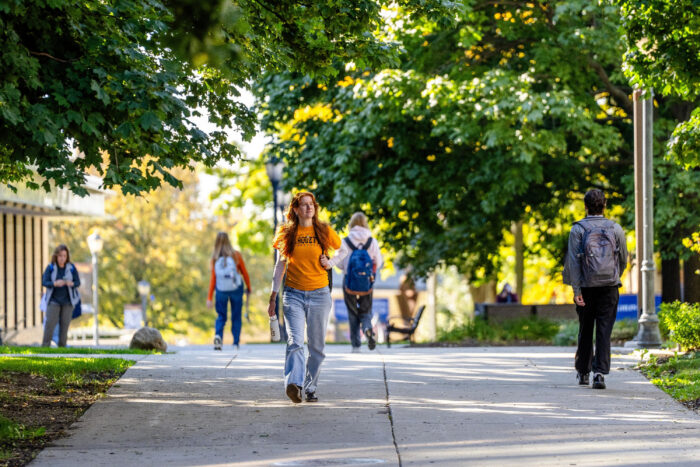
He has also found a welcoming community among other Iranian students at Marquette. Gatherings with that community have been a good way to connect with others who share a similar background. Events through the Office of International Education, the Graduate School and the International Student Peer Support (ISPS) program have introduced him to people across campus.
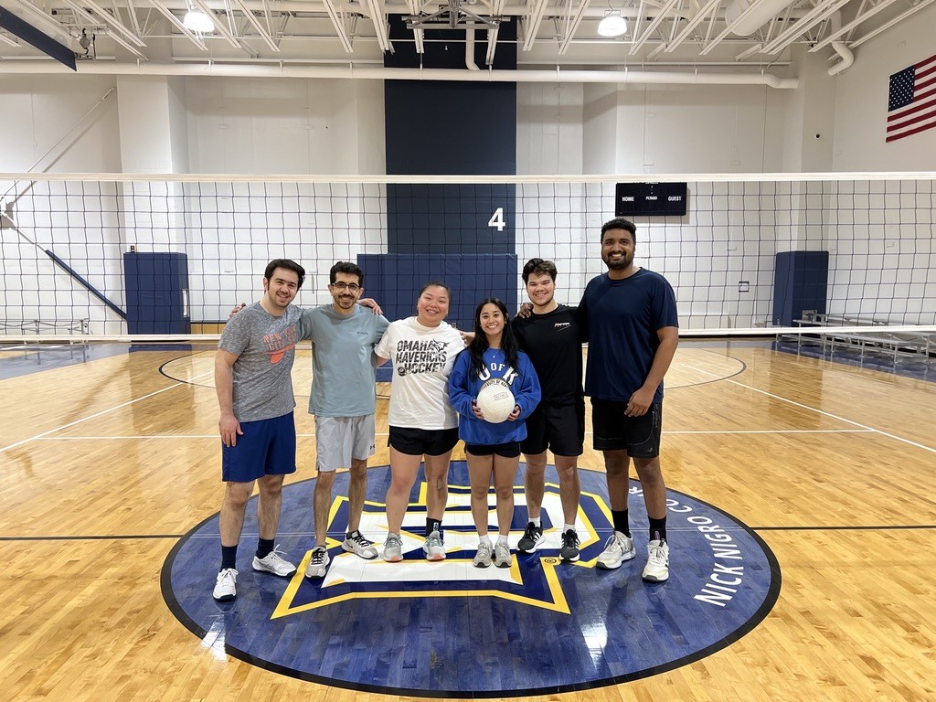
Volleyball has been another favorite. Through Marquette’s recreational sports leagues, Hosseini has met people outside his academic and research circles. Some of those connections have turned into friendships that extend beyond the volleyball court.
This past summer, Hosseini also spent time in California, where he completed an internship at Nextpower, a company specializing in solar technology. The company has traditionally focused on solar trackers and is now expanding its products to include complete solar power plant solutions.
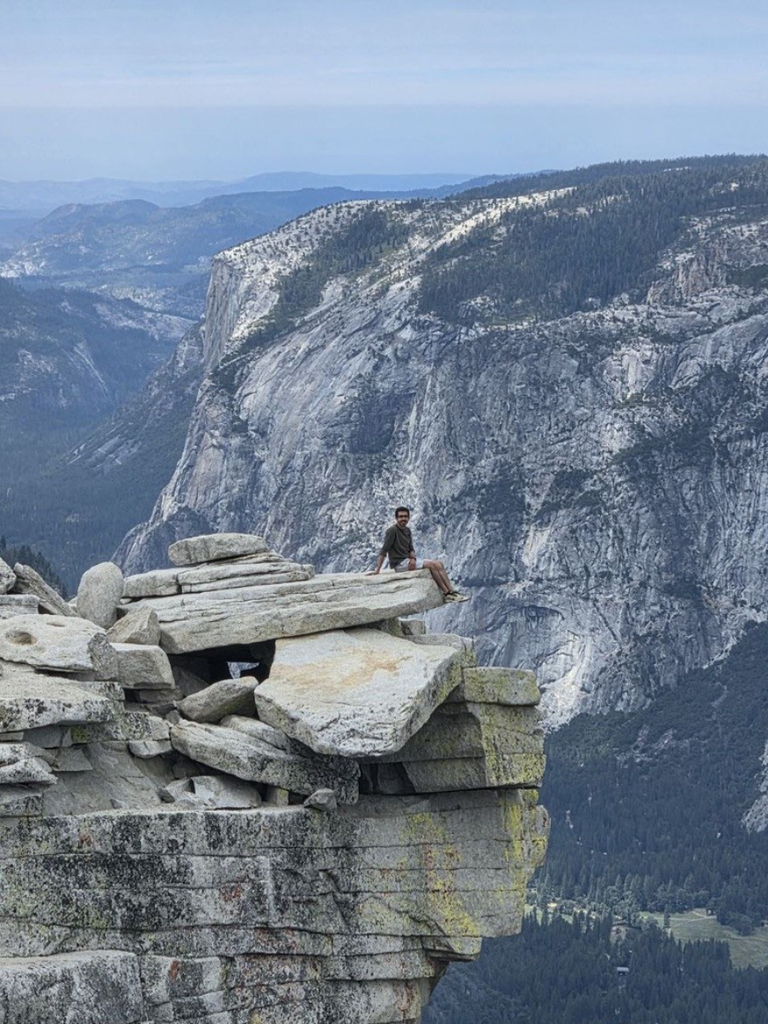
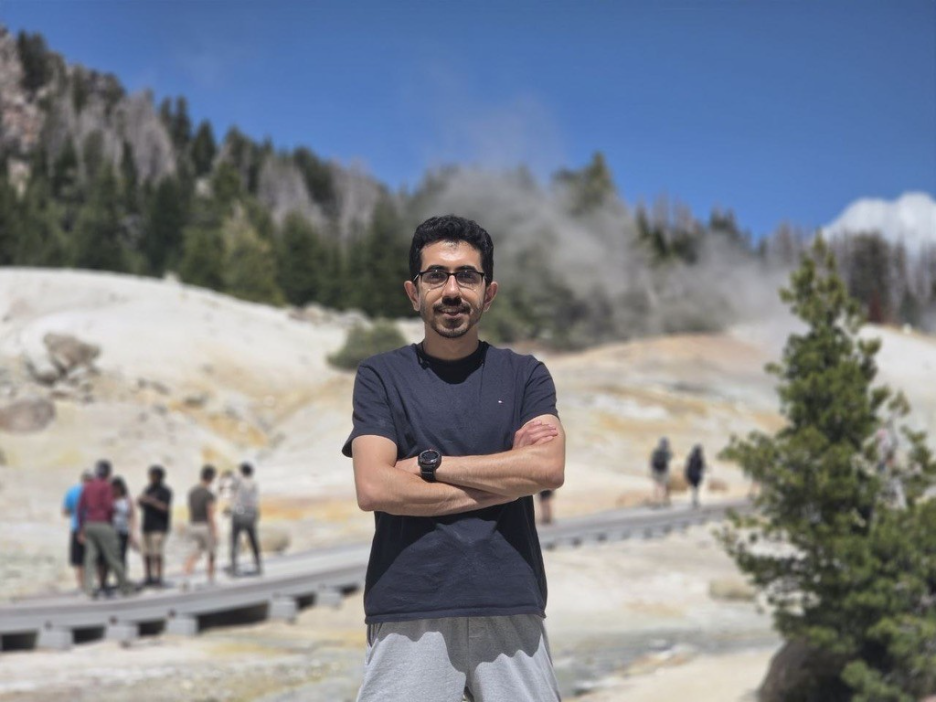
Hosseini worked with the systems engineering team and collaborated with colleagues in power electronics and mechanical engineering on solar inverter products. He gained experience with the solar energy market and learned more about the different stages of product development, including mechanical design, firmware and testing. He enjoyed the opportunity to work alongside people with industry experience and learn from their knowledge.
Hosseini’s interest in engineering began with watching his brother work at home, and now his research takes him into emerging areas of electric motor technology, while his experiences at Marquette and in Milwaukee have introduced him to new people, places and opportunities.