On a cold Chicago winter night years ago, a teenaged Leslie Buckner hopped out of the car at the airport to give her seat to her grandmother. In that moment, Buckner slipped on a patch of black ice and injured her knee.
Buckner, Arts ’00, PT ’02, didn’t know it at the time, but the incident ultimately set her on the path toward becoming a physical therapist, clinician and advocate for patients who are in desperate need of help. It was the orthopedic surgeons who examined her knee that opened her eyes to the world of medicine.
“It really piqued my interest in how I can help people who have hurt their body,” Buckner says.
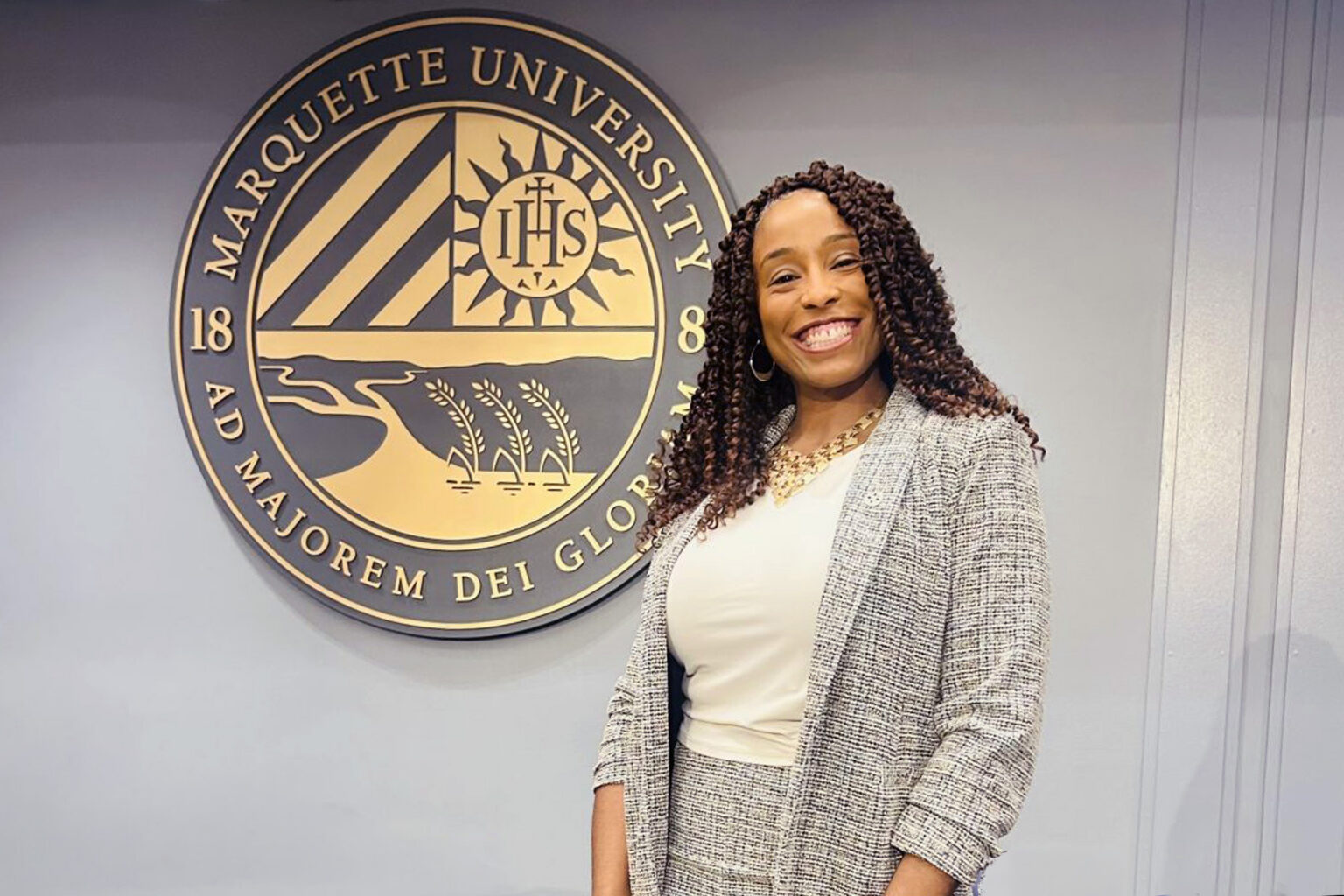
Growing up attending Catholic schools, Buckner found her way to Marquette via the Department of Physical Therapy’s Health Careers Opportunity Program, a recruiting program aimed at disadvantaged students run by former department chair Dr. Lawrence Pan.
“It was nice to have someone who didn’t just see me, but made my family comfortable, too,” Buckner says. “That really put Marquette at the top of my list.”
Now, as the director of rehabilitation services at Methodist Hospitals in the Chicago area and a licensed clinician with a neuro specialty, Buckner embodies the motto “Be the Difference” as an administrator advocating for people who have fallen through the cracks of the healthcare system.
“Medicine is an art,” she says. “I don’t get to control the quantity of life, but I can help patients restore the quality. As a therapist, if I connect to the person as an individual and if I develop that rapport with them, I get so much more out of them as a patient and push them to do things they didn’t think they could do in their rehabilitation.”
“I’ve always been vocal in my advocacy and I’m not afraid to lend my voice in support of others,”
Dr. Leslie Buckner, PT ’02
The nature of Buckner’s work exemplifies Jesuit teachings and values, “accompanying the excluded” and embodying cura personalis every day.
“When I think about cura personalis, I recognize that when a patient comes to our hospital, we’re meeting them on that day, but there’s so much more to their life than that day,” she says. “How does this impact their family and livelihood? What circumstances and situations are they returning to when they leave here? I have to care for the person and not the diagnosis.”
Buckner recalls a coma patient who awoke unable to speak, so Buckner had to find a way to communicate with him.
“I gave him a pen and paper and supported his arm, and he wrote his name,” she says. “The joy his family had was incredible because that was the first meaningful communication they had. He went through therapy and recovered and has gone on to have a family and run a 5K. To have a part in their recovery journey is one of those things that sticks with me for life.”
Before working for a safety-net hospital like Methodist Hospitals, Buckner worked at a variety of academic medical centers, where resources are abundant. She says moving to a safety-net hospital challenged her in new ways.
“When patients are uninsured or underinsured, there are a lot of things we would like them to have, but the sad part is sometimes healthcare is based on what you can afford,” Buckner says. “I have to think outside the box and have to connect with the community to see what resources are available for patients once they leave.”
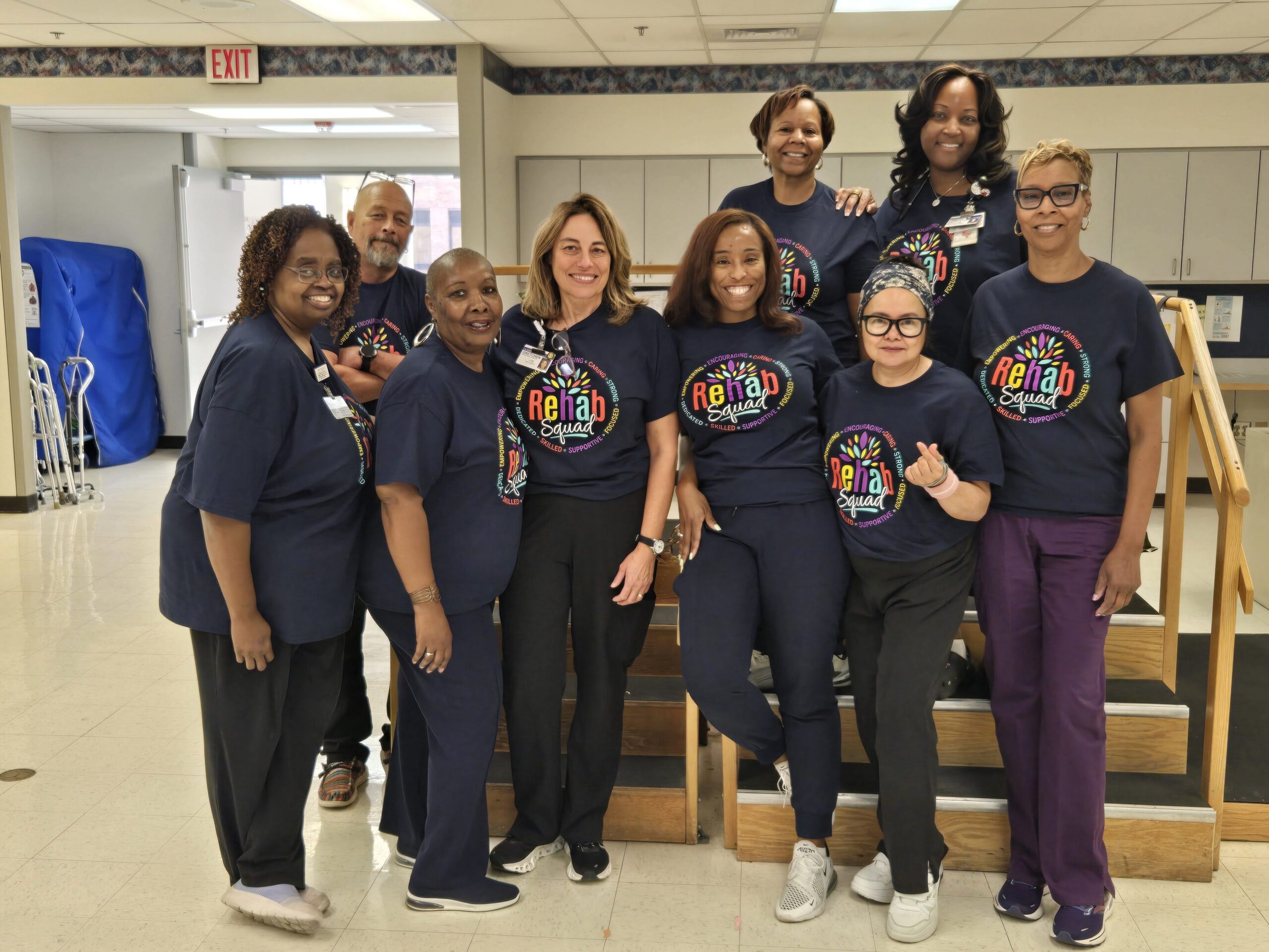
That means Buckner leans heavily into health equity versus health equality, making sure that everyone doesn’t receive the same treatment, but the treatment they need to have success.
“We do not have the same resources as a large academic hospital, so we do what we can to provide patients the best care when they’re in our care and ensure they feel valued when they’re in our care,” she says.
Buckner says her time at Marquette was infused with the university mottos and phrases — cura personalis and “Be The Difference,” — and that they have stuck with her throughout her career.
“Those mottos were engrained in me at Marquette, and I see them every day now in practice,” Buckner says. “I’ve always been vocal in my advocacy and I’m not afraid to lend my voice in support of others. That hasn’t always been the most popular thing to do, but we are going to continue doing the same thing over and over again with poor results unless someone chooses to Be The Difference.”