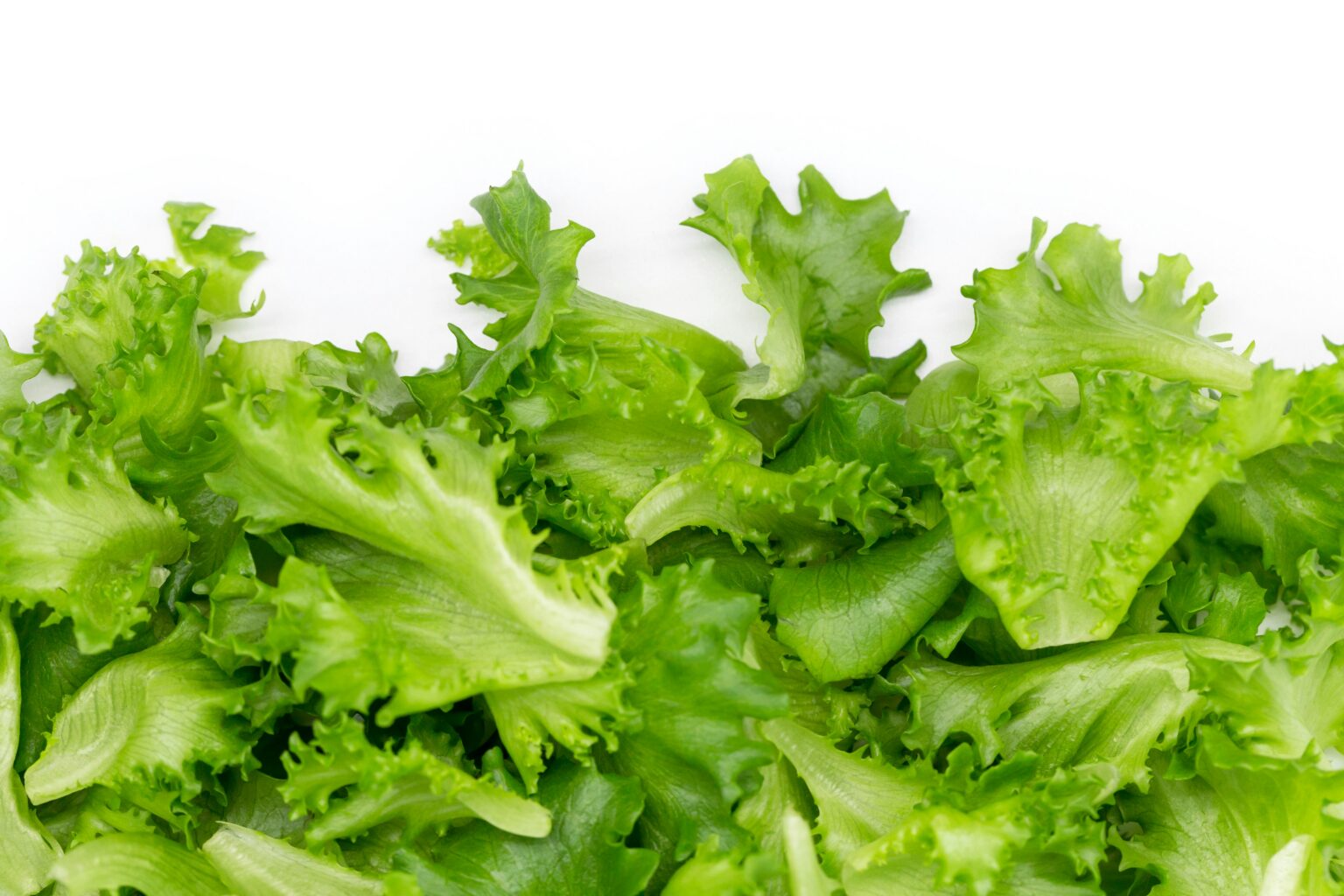
Surging cases of a parasitic infection linked to contaminated food is causing thousands of Americans to contract gastrointestinal illness causing severe diarrhea. Since the beginning of May, the Centers for Disease Control and Prevention estimates that over 11,000 people domestically have been sickened with cyclosporiasis. Recent reports say the outbreak is linked to contaminated lettuce and other salad greens.

According to Dr. Jessica Zemlak, associate professor of nursing and board-certified family nurse practitioner, the CDC usually considers May 1 through Aug. 31 the annual cyclosporiasis season, which means there are likely more cases to come.
“This current outbreak exceeds the normal seasonal number of cases we have in the U.S.,” Zemlak says. “It is thought to possibly be largest outbreak of cyclosporiasis in U.S. history. Last year at this time, only 249 cases were reported, and this year, several thousand people are thought to be infected. The real number of cases might be higher since some people might not see their doctor with symptoms and others might not get tested due to cost or other barriers to testing.”
The parasite is spread through contaminated food or water. Cyclosporas have a very tough, thick-walled shell, which is why it can survive on produce and makes it hard to remove with just rinsing and sanitizers.
“Cooking food to an internal temperature of 158 degrees Fahrenheit kills cyclospora,” Zemlak says. “Microwaving may not cook evenly enough to work as well. Freezing is not reliable since many of our home freezers are not cold enough to kill the parasite. Washing can help, but these are microscopic parasites that hide in grooves and crevices.”
She says that while scientists are still trying to pinpoint which foods are the source of this outbreak, in previous outbreaks the culprits were raspberries, fresh herbs like basil or cilantro, and snap or sugar peas.
“During this outbreak, it is best to stick to produce you can peel or cook,” Zemlak explains. “Potentially higher risk foods are unwashed produce, bagged lettuce or salad kits, and produce that is hard to wash. Lower risk items might include a head of lettuce with the outer leaves removed and then washed thoroughly.”
Below, Zemlak answers some frequently asked questions about cyclosporiasis.
How does cyclosporiasis differ from a typical stomach bug?
There are many kinds of bugs can cause diarrhea symptoms — for example, norovirus is a common pathogen that causes diarrhea. Many other stomach bugs like norovirus are contagious from person to person, hit you hard and fast, and resolve within a few days. Cyclosporiasis is not contagious person to person and can take two to 14 days after exposure to develop of symptoms. Common symptoms include watery, frequent diarrhea; low grade fevers; loss of appetite; bloating; nausea; and fatigue. It can build gradually and drag on for weeks in some people. It can be difficult to differentiate symptoms at home, so if you develop symptoms of diarrhea, it is best to contact your healthcare provider.
Is cyclosporiasis highly contagious between family members?
This is not contagious between family members. You acquire this infection through eating contaminated food products.
What are signs of severe dehydration and how do you know if you should seek medical treatment?
It is important for your healthcare team to guide you on the best way to manage your symptoms. Pregnant people, older adults, children and people who are immunocompromised should talk with healthcare providers regarding dehydration and management of symptoms.
What is the standard treatment for cyclosporiasis? If it’s caused by a parasite, is an antibiotic required?
Cyclosporiasis is self-limited (this means your body will fight off the infection) in many people with a healthy immune system, but it can last for several weeks without treatment. The common treatment for cyclosporiasis is an antibiotic. This can treat the infection and shorten how long you feel sick. It is important to talk with your healthcare provider about what the right treatment course is for you and your symptoms and health history.
Is there anything else that you think is important for people to know about this outbreak?
There is new information available to us every day related to this outbreak. Be sure to ask your healthcare provider or reliable, trusted sources such as the CDC and the health department for accurate information.
About the expert:
Dr. Jessica Zemlak is an associate professor of nursing and board-certified family nurse practitioner in the College of Nursing. She is a community engaged scholar whose program of research prioritizes the physical and mental well-being of marginalized women. Her research examines women’s health through a trauma-informed and harm reduction framework.