When Dr. Rob Smith first stepped onto Marquette’s campus in 2017, he carried with him both an ambitious vision and a simple conviction: that research, teaching and community outreach should not exist in silos, but be woven inextricably together. Once he read the pillars of Marquette’s Jesuit mission, he knew Marquette was the place to make it happen, and that he was the one for the job.
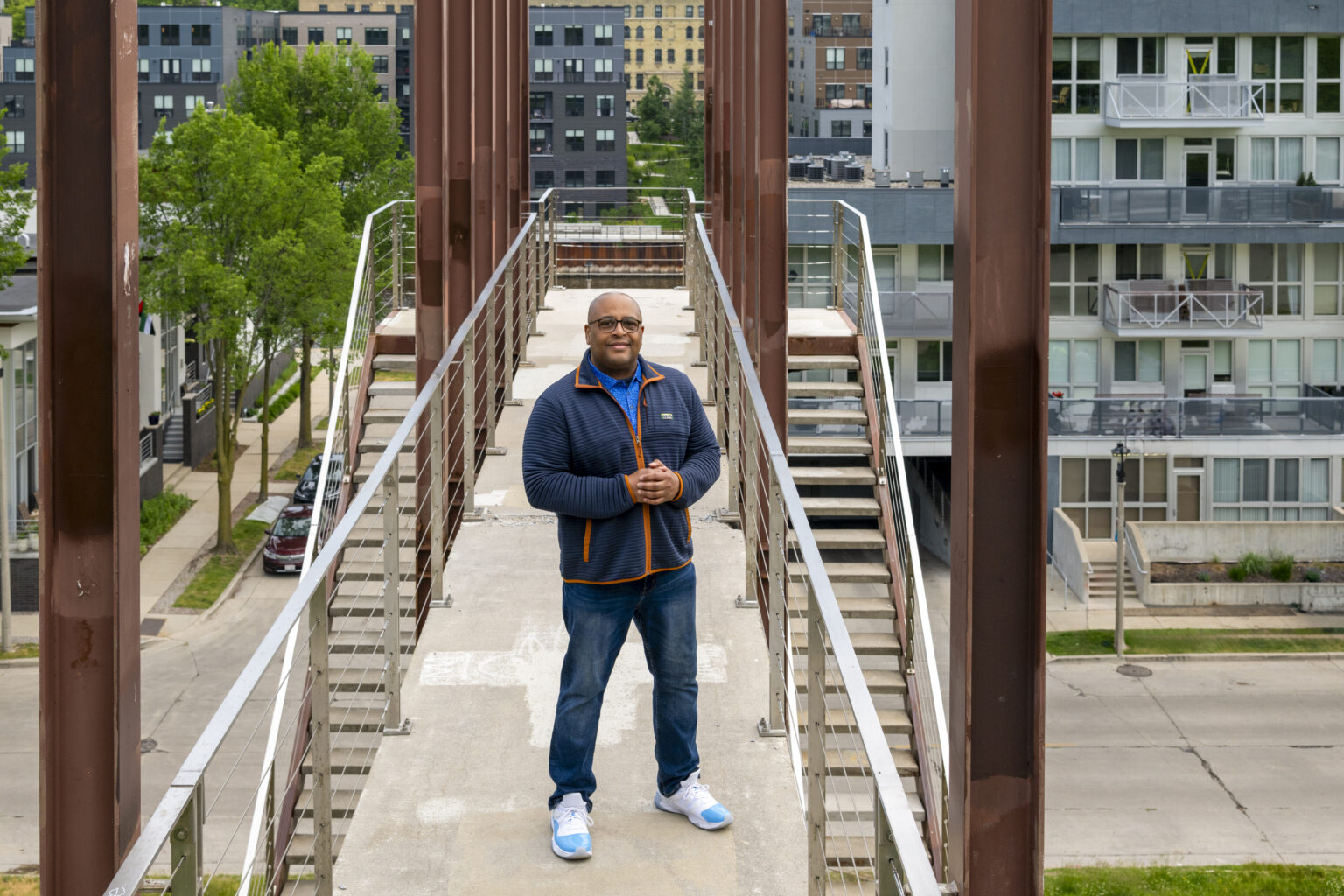
As Harry G. John Director of the Center for Urban Research, Teaching and Outreach (CURTO) and associate professor of history, Smith has spent the past nine years building that conviction into a thriving hub. Today, CURTO facilitates collaborations that bring together a wide array of community and campus experts to tackle issues central to affirming human rights and human dignity through efforts like the Education Preparedness Program (EPP), which creates pathways to higher education for people impacted by incarceration through community-based, transformative learning.
At CURTO, the traditional boundaries of university life blur. Community partners conduct research alongside faculty, students take courses that engage neighborhoods, and outreach projects generate data and stories that circle back into classrooms. CURTO was founded with support from the John family, whose endowment provided critical stability to build a robust foundation.
“It was never just about building programs,” Smith says. “It was about rethinking how a university centers community expertise — how we prepare students to be global citizens and value our neighbors in real, tangible ways.”
A historian of African American history and civil rights, Smith was hired into the endowed professorship, arriving at Marquette after faculty roles at the University of North Carolina at Charlotte and University of Wisconsin-Milwaukee.
“From the beginning, I asked, ‘What did the people who first imagined this center expect it to be?’” Smith recalls. “If we were going to put research, teaching and outreach all in one place, it had to be more than a tagline. It needed to model a more sophisticated approach to community engagement.”
Early visioning sessions drew faculty, students and community members into the conversation. Interdisciplinarity was woven into the model, bringing together participants across colleges and disciplines alongside Milwaukee community voices.
“The goal wasn’t just engagement, but engaged scholarship — bidirectional, mutually beneficial relationships where everyone contributes expertise,” Smith says.
One of CURTO’s strengths is its flexibility. Rather than trying to control every project, Smith describes the center as an “ecosystem of ideas.” Faculty and students can move in and out of community-based initiatives, while CURTO provides the umbrella of support and connection.
“It’s not about being in charge,” Smith says of his role. “It’s about knowing where we fit and how we can amplify the work already happening.”
By centering community voices, CURTO ensures its work remains relevant and impactful.
“When we ask, ‘what values bring us together?’ we can focus on emergent action — on doing what matters most right now,” Smith says.
For humanities scholars in particular, CURTO provides a platform to connect their work to real-world questions.
“This is an engine for scholars who want to have an impact,” Smith says. “We get to work with people who are experiencing the very issues we study. When we bring curiosity, values and discernment into those conversations, we can make headway together.”
Key to the vision of CURTO was providing high-impact opportunities for students. High-performing students often jumped into projects independently, but Smith and his colleagues recognized that many students, especially those balancing multiple responsibilities, needed guidance. An infrastructure with intentional mentoring and support was critical to long-term success for both the students and the center.
“We realized we needed student affairs professionals who understood how to guide students through these complex experiences,” Smith explains.
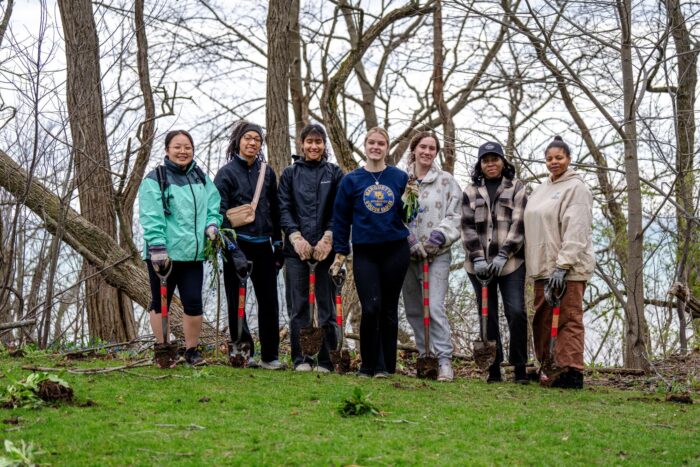
That realization led to the creation of dedicated staff roles to onboard students, monitor progress, and build in professional development. Today, CURTO works with 20 to 30 students each year who each play active leadership roles for their respective projects and initiatives like EPP, MKE Roots, BLEST Hub, EM Milwaukee, and Living for the City.
“All the things that are essential for student growth — mentorship, reflection, leadership — are built into this experience,” he says.
Sustaining such an ambitious enterprise requires resources. Smith admits one of the hardest transitions for him was moving from being entrenched with initiatives and research to being a fundraiser and advocate.
“It’s tough, I never want to feel ‘above the fray,’” he says, “but part of being director is ensuring sustainability and that means connecting with donors who see the value in this work.”
That investment, he emphasizes, pays enormous dividends.
“When you invest in the humanities, even just a little, you get programs and initiatives that overwhelmingly benefit the community, our students and the university’s reputation,” he says.
What does the future hold? Smith envisions CURTO continuing to grow as an “engine for engagement,” propelling Marquette forward on national rankings while deepening its local roots.
“Five or 10 years from now, I hope CURTO is really known as a place that helped redefine what it means to be a higher education professional, a place that upholds the university’s mission and supports our community’s needs,” he says.
For Smith, CURTO is more than a center; it’s evidence of Marquette’s Jesuit mission in action.
“We already know how to do the teaching,” he says. “Now, I’m inviting people to step into the ecosystem. Bring your expertise, your curiosity, your values. We don’t have to have it all figured out. Let’s dare ourselves to be the difference, despite the challenges. We have to meet the moment.”