
Wearing a neat gray suit and an expression of calm confidence, Aiden Beeskow was interviewing for jobs this spring, ready to enter an accounting industry that looks very different from the one he imagined just a few years ago.
“I knew it would be a lot of numbers and spreadsheets,” says Beeskow, Bus Ad ’26, who received his diploma this month from Marquette Business. “I didn’t expect it to be so communication heavy.”
That shift — from calculations to consulting, from spreadsheets to strategy — is happening across accounting, part of a wider transformation in life and work. At Marquette, it’s reshaping the way students are taught, how they prepare for careers and what it means to be an accountant in the first place.
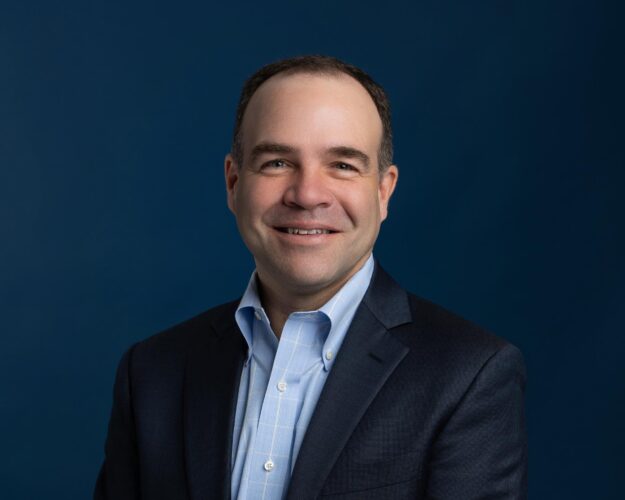
“There’s been more change in the last three years than in the 20 before that — and more in the last six months than those last three years,” says alumnus Marcelo Bartholo, Bus Ad ’01, EY Americas deputy managing principal and COO, who’s been in the field for a quarter century. “And it’s all driven by the topic du jour, which is AI.”
Indeed, technological innovation is revolutionizing one of the world’s deepest-rooted professions. Firms are investing billions of dollars in artificial intelligence to streamline work, reduce costs and process data on an unprecedented scale — raising questions about the future of accounting, for the industry and the people in it.
A logical approach to disruption, grounded in critical and ethical thinking
Dr. Kevin Rich and faculty colleagues in Marquette’s Department of Accounting have some answers to those questions.
Change that looks scary and disruptive to the wider world has been accounted for at Marquette as part of a logical progression in how students are prepared for careers in the field. “The profession is changing,” says Rich, chair and Charles T. Horngren Professor of Accounting. “The roles of our graduates are changing. Where years ago, entry-level professionals focused on tasks such as directly auditing transactions, today they are expected to take leadership roles in client engagements.”
Recent graduates are increasingly expected to perform higher-value work. They’re guiding the use of tools and leading teams, overseeing processes and communicating insights, interacting with clients, and identifying opportunities to sell new services.
Simply put, says Rich, “The job I did as a first-year public accountant doesn’t exist anymore.”
Technical skills remain fundamental, but the ability to think critically, adapt quickly and communicate clearly is becoming even more important. That’s a growing expectation for new hires, and it makes Marquette’s accounting program — grounded in intellectual curiosity and a liberal arts education — particularly well-positioned to equip students for change.
“We want to make sure our students can creatively approach new problems and learn how to use tools to solve those problems,” Rich says.
The movement further away from just balancing ledgers is a positive development, according to Bartholo. “The job now is to know the right questions to ask, get the information, and interpret the output,” he says. “That’s way more interesting than looking through piles of paper — and in terms of measuring employee satisfaction, our people have literally never been happier.”
A top-30 program where students engage with large datasets and automation
At Marquette, resourceful faculty members have been modifying the accounting curriculum over the past decade to prepare students for the industry’s changing landscape.
The program is regularly ranked in the top 30 by U.S. News & World Report for undergraduates (and is ranked No. 15 for master’s students). It still provides a strong foundation in financial accounting and auditing, but today students are also exposed to emerging technologies, real-world problems and chances to hone now-essential people skills.
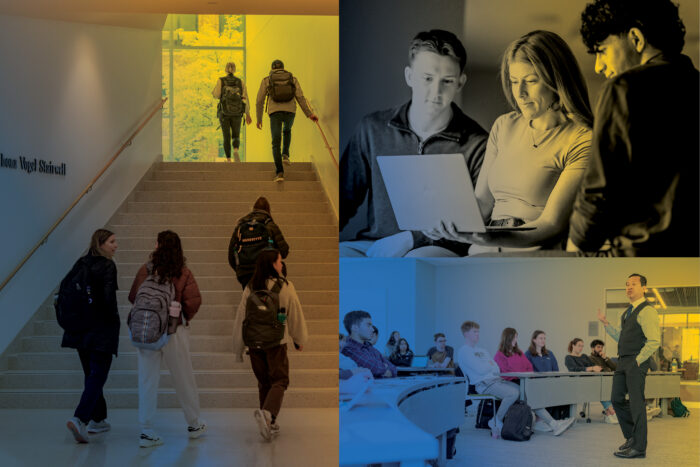
In the last year, as Marquette Business infused AI content in courses throughout its curriculum, accounting faculty piloted AI for Accounting, a new course where students work with large datasets and automation tools to simulate how technology is used in the field. Engagement with large datasets is included in four additional accounting courses. Beeskow, a double-major in accounting and AIM (Applied Investment Management) — and a self-described “AI hobbyist” who builds agents in his spare time — found this type of coursework exhilarating, saying, “On your own, you don’t have access to that kind of information at that scale.”
Learning to excel in financial communication and client guidance
While AI helps accountants automate some routine tasks, technology elevates, rather than replaces, the need for human judgment. A human — an accountant — must still be in the loop, checking processes and ensuring successful outcomes, faculty members say.
One crucial way that Marquette prepares humans for this oversight role is with Accounting Communications, a required course taught by Rich Tobin, assistant professor of practice. The class helps students translate complex financial information for non-experts — a vital skill in client-facing roles.
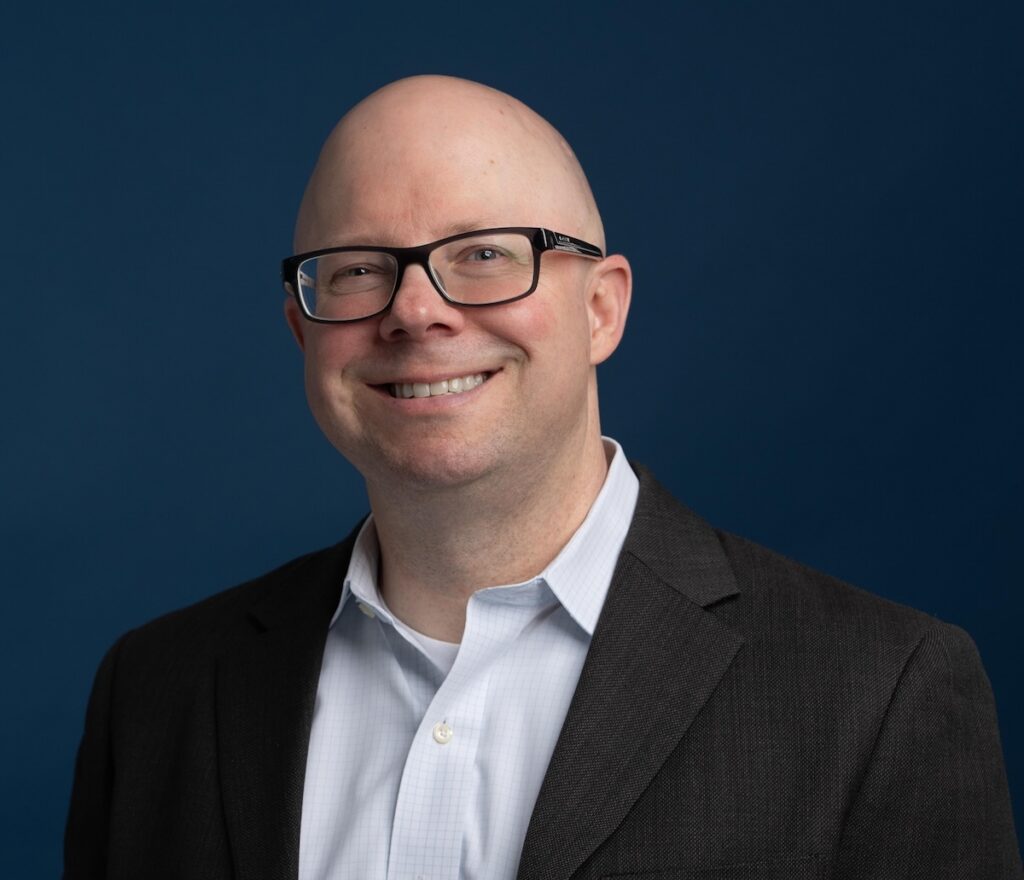
“We want to make sure our students can creatively approach new problems and learn how to use tools to solve those problems.”
— Dr. Kevin Rich, chair and Charles T. Horngren Professor of Accounting
Perennially the program’s highest-rated course, it also offers students valued preparation for internships and interviews. Fond of finding parallels between accounting and poetry or music, Tobin has done a “masterful job” creatively integrating new technology and the art of communication, says Rich.
For Beeskow, Accounting Communications was among the most challenging and impactful courses he took at Marquette. With industry partners from major firms making frequent in-class appearances to evaluate student presentations, provide feedback and offer networking opportunities, the introverted undergraduate found the environment “pretty scary” at first.
But with time — and “practice, practice, practice” — Beeskow grew more confident. His late-semester presentation on the AI for Accounting course to the college’s advisory board, a group of senior professionals, led to job prospects, a sense of accomplishment and an appreciation for how the program helps students succeed.
“If you’d told me my freshman year I’d be doing that, I would have called you crazy,” Beeskow says. “But Marquette prepared me for it. There are thousands of accounting programs in the country, and I’m sure they all do a great job teaching financial accounting. What separates top candidates from the rest is their ability to communicate and their exposure to these experiences.”
Employers take notice
The alignment between classroom preparation and industry expectations is why major firms have increased their hiring of Marquette students. According to Bartholo, EY has tripled its recruits from the university over the last three years. “They’re coming in with a broader skill set,” he says. “They understand the technical side, but also how to apply it.”
As he takes his diploma and transitions into the workforce, Beeskow is optimistic. “I know the accounting side, and I know the tech side, and that makes me pretty dangerous,” he says. Just recently, he accepted an offer to join Baird as a data solutions developer on its private asset management team. “I will be designing AI-powered data pipelines and assisting with machine learning initiatives for the firm,” he reports.
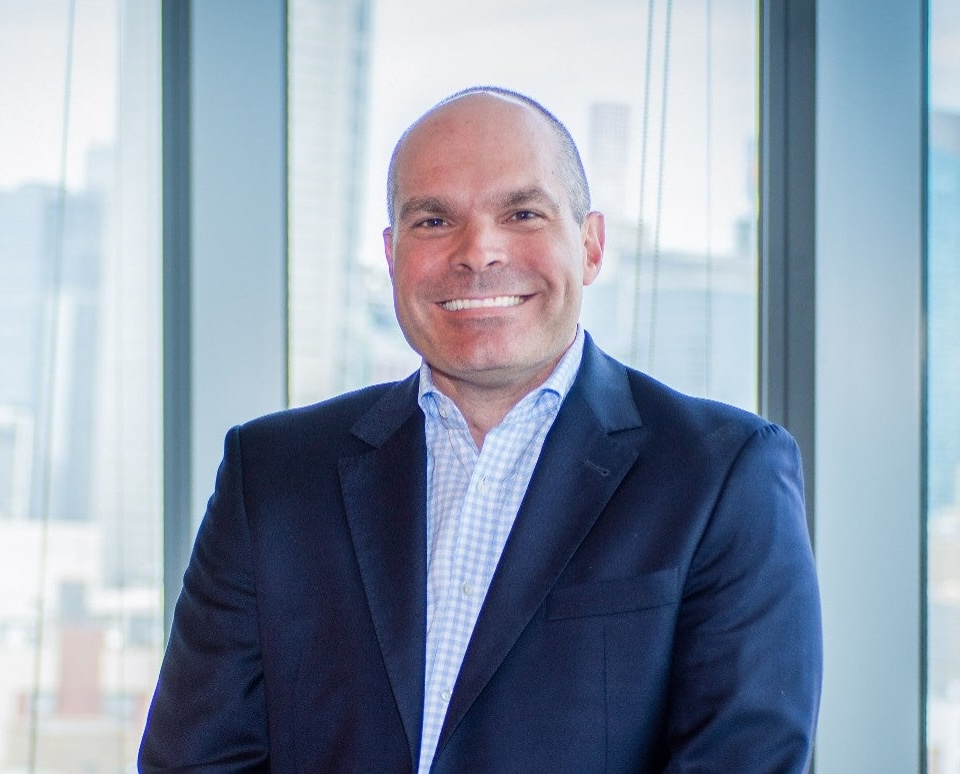
“They’re coming in with a broader skill set. They understand the technical side, but also how to apply it.”
— Marcelo Bartholo, Bus Ad ’01, deputy managing principal and COO of EY Americas, on the recent accounting graduates EY recruited from Marquette
Bartholo says that kind of mindset — curiosity, hunger, adaptability — will define success in the next generation of professionals. “Don’t buy into the negativity,” he says. “If you embrace change, the world is your oyster.”
Back at Marquette, Rich says: “Marquette accountants stand out for their ability to think through a problem, know the tools to apply, assign value and communicate well. Our graduates are ready to be more than accountants as we traditionally picture them.”