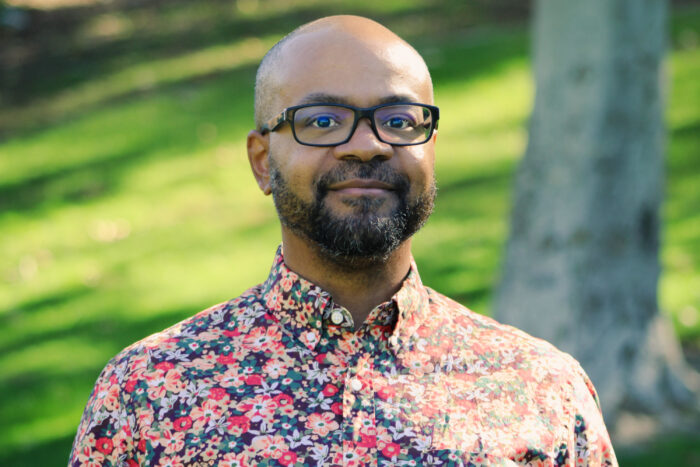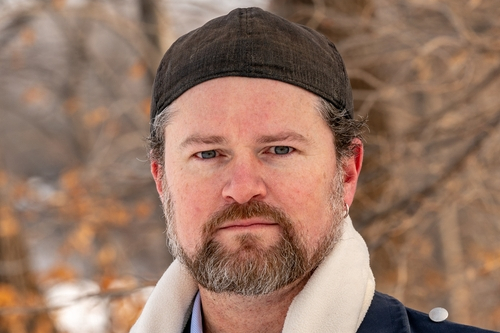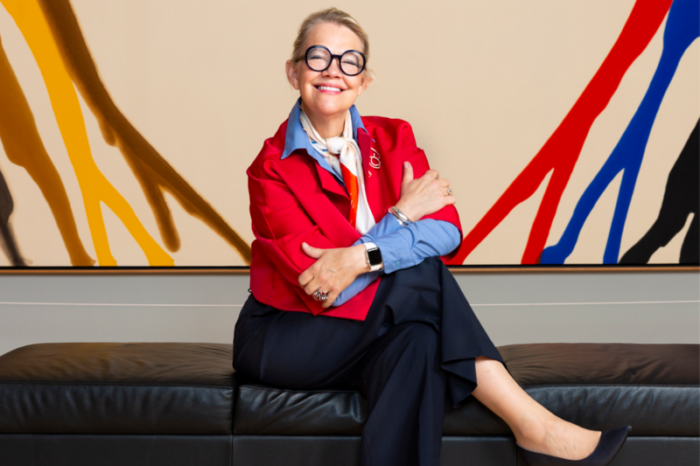
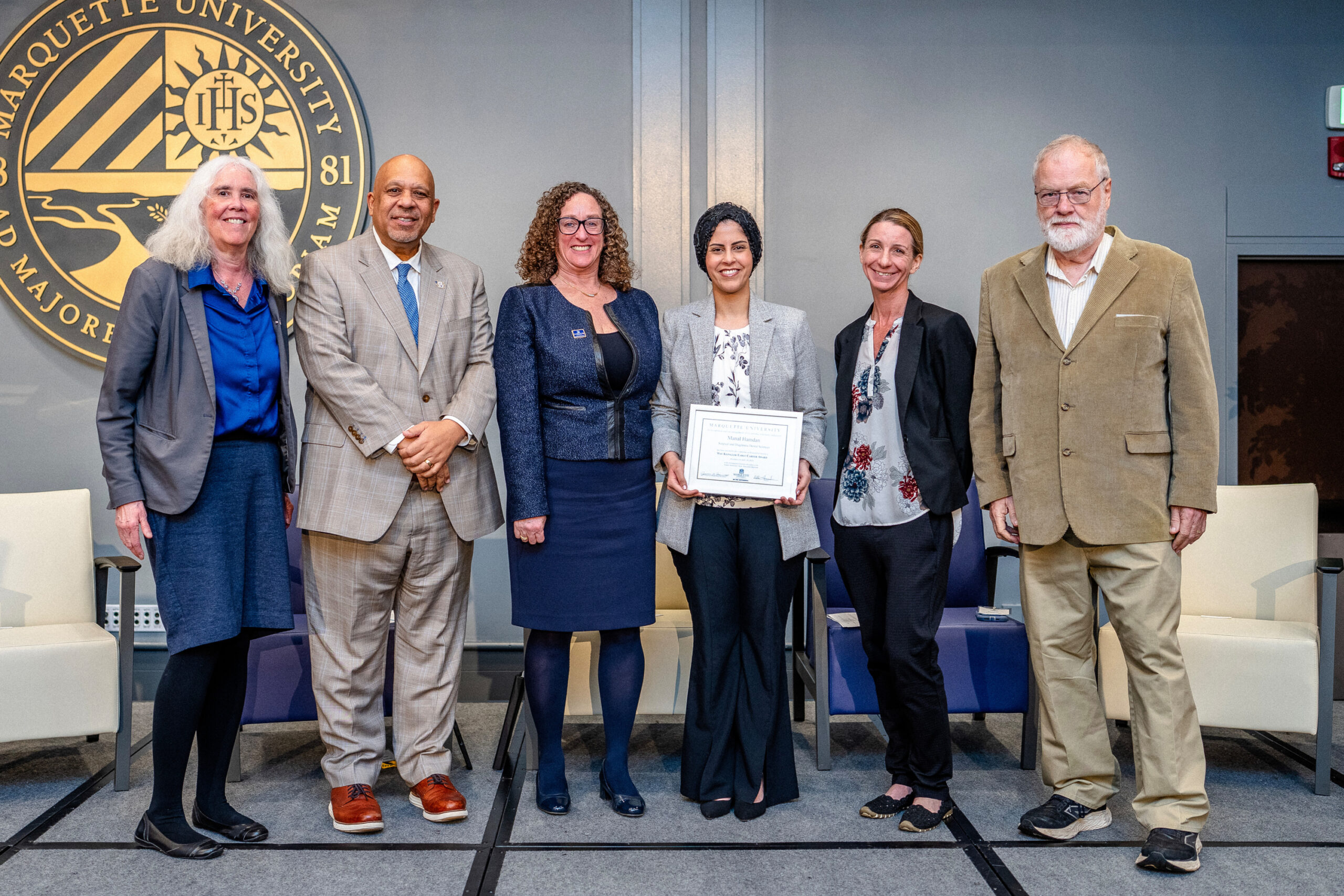
Thirteen faculty members were honored on Thursday, April 16, at the Distinguished Scholars Reception, which recognizes faculty for outstanding achievement in research and scholarship.
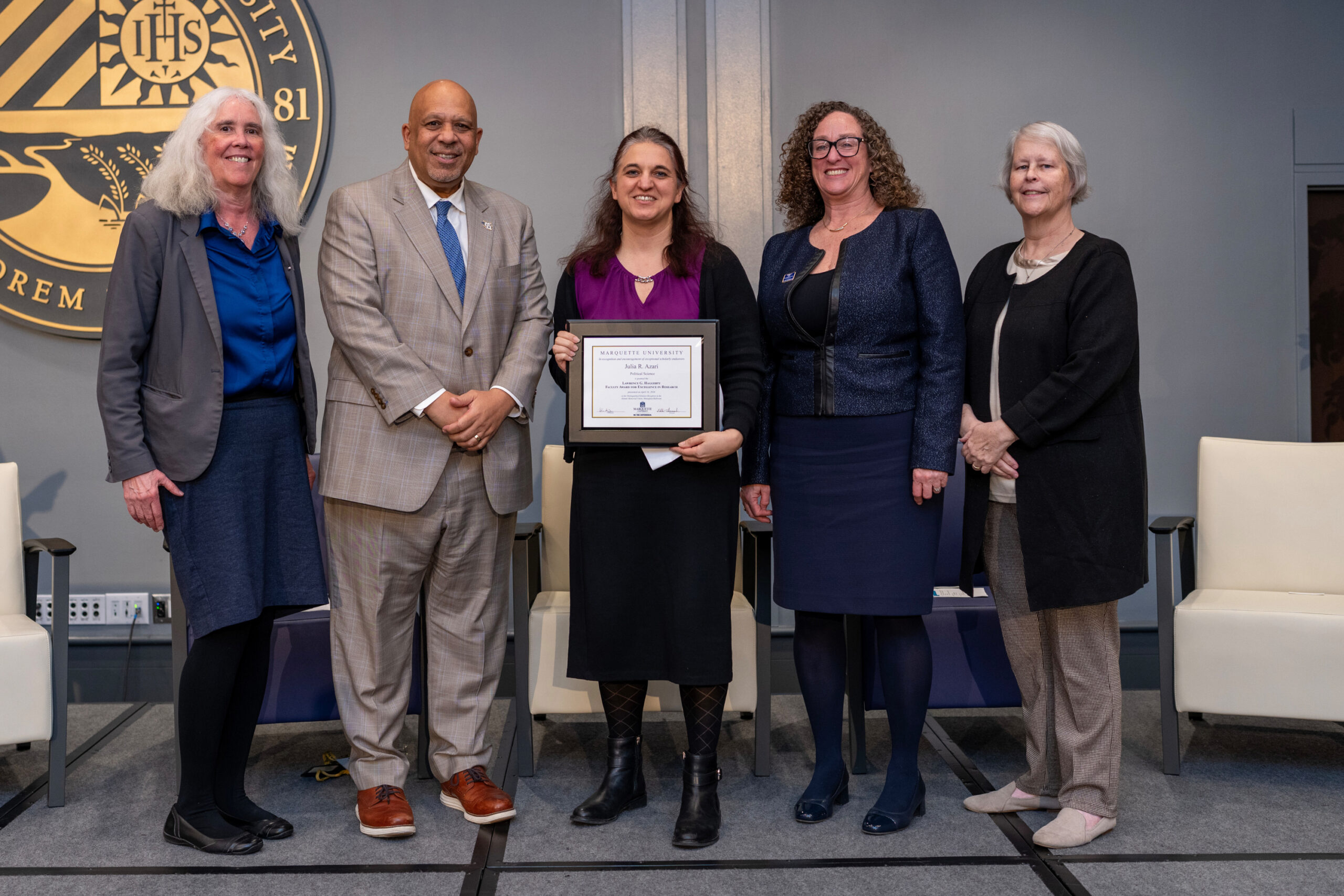
Lawrence G. Haggerty Faculty Award for Excellence in Research
Dr. Julia Azari, professor of political science in the Klingler College of Arts and Sciences
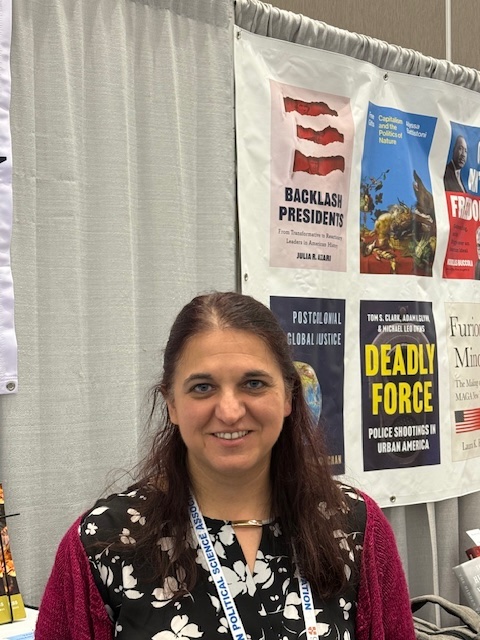
Dr. Julia Azari is a nationally recognized scholar of the American presidency whose work examines how political institutions evolve during periods of conflict, polarization and social change. Her research focuses on how presidents exercise power, communicate authority and respond to moments of instability in American democracy. Over the past decade, Azari has become one of the field’s leading voices in American political development, a subfield that studies how political systems, norms and institutions change over time.
Azari’s scholarship has reshaped how political scientists understand presidential leadership in an era of weakened political parties and intense partisanship. Her work has shown that modern presidents often claim sweeping electoral “mandates” not because governing conditions are strong, but because institutional support has eroded, a finding that has influenced research on executive power, party politics and democratic legitimacy. She was also among the first scholars to explain how the combination of weak party structures and polarized voters creates the conditions for outsider candidates to rise to national prominence, offering a framework that continues to inform research on contemporary elections.
Her most recent book, “Backlash Presidents: From Transformative to Reactionary Leaders in American History,” extends this work by identifying a recurring pattern in presidential history. Azari shows that moments of racial progress often produce reactionary presidencies that seek to reverse or undermine those changes, contributing to heightened conflict and repeated impeachment crises. In addition to her academic writing, Azari is widely known for translating political science research for the public through national media outlets, helping readers better understand elections, institutions and democratic norms.
“It’s an honor to receive this award in recognition of my research at Marquette,” Azari said. “Research is essential to the identity and work of the university. It’s especially important that we continue to support systematic, evidence-driven research on politics, which is what I have dedicated my life to doing.”
Way Klingler Fellowship
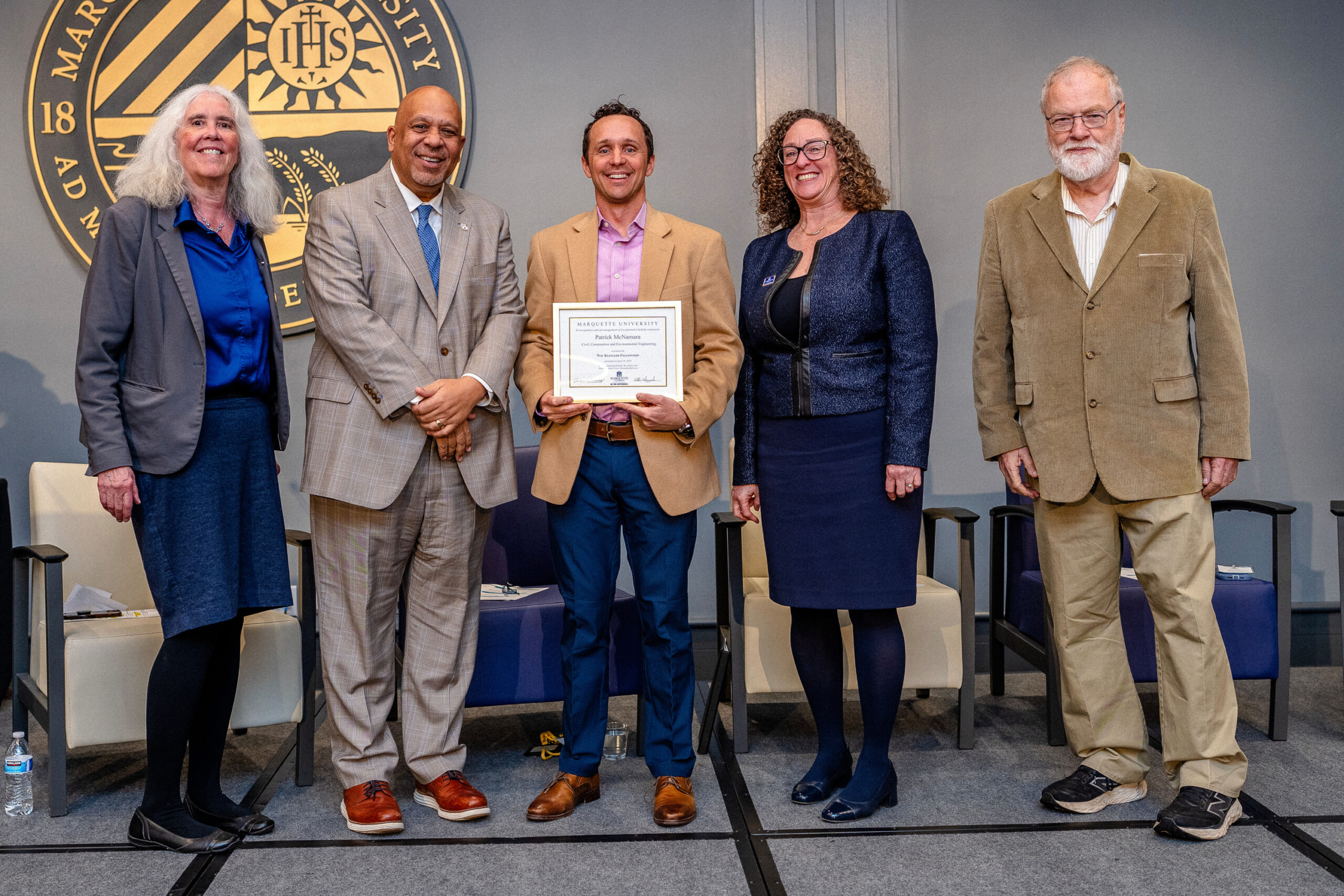
Dr. Patrick McNamara, professor of civil, construction and environmental engineering in the Opus College of Engineering

Dr. Patrick McNamara’s research examines how everyday human activities shape water and wastewater treatment systems that protect public health. His work integrates environmental chemistry and microbiology to understand how treatment processes influence chemical pollutants and antimicrobial resistance in drinking water and wastewater. By studying full‑scale, real‑world infrastructure rather than laboratory systems alone, McNamara’s research addresses urgent questions about how engineered water systems can either limit or amplify emerging public health threats.
A central focus of McNamara’s research is antimicrobial resistance: the ability of bacteria to survive exposure to antibiotics and disinfectants. His work has shown how common consumer chemicals, corrosion inhibitors and treatment choices can influence the presence and spread of antibiotic resistance genes in wastewater and drinking water systems. Supported by the Way Klingler Fellowship, McNamara is advancing a rare, large‑scale study in southeastern Wisconsin that allows researchers to measure how a wastewater treatment plant affects antibiotic resistance levels in a receiving river before and after treated wastewater discharge began. This natural experiment provides an unprecedented opportunity to quantify the real‑world impact of wastewater treatment on antimicrobial resistance and to inform future water‑quality regulation and infrastructure design.
McNamara’s research program is grounded in student mentorship and education, shaped by the values of Marquette’s mission that influenced him as a student. He works closely with undergraduate and graduate students to develop critical thinkers whose research has meaningful societal impact, and many of his students have gone on to receive highly competitive national fellowships and research awards.
“I feel thrilled, honored and humbled to receive this award,” McNamara said. “Honestly, I cannot believe it. Research is about standing on the shoulders of giants. The people who have won this award in the past at Marquette are incredible scholars and people, and it feels surreal to be where they were. I absolutely love working here and cannot wait to work on this project with my Ph.D. student.”
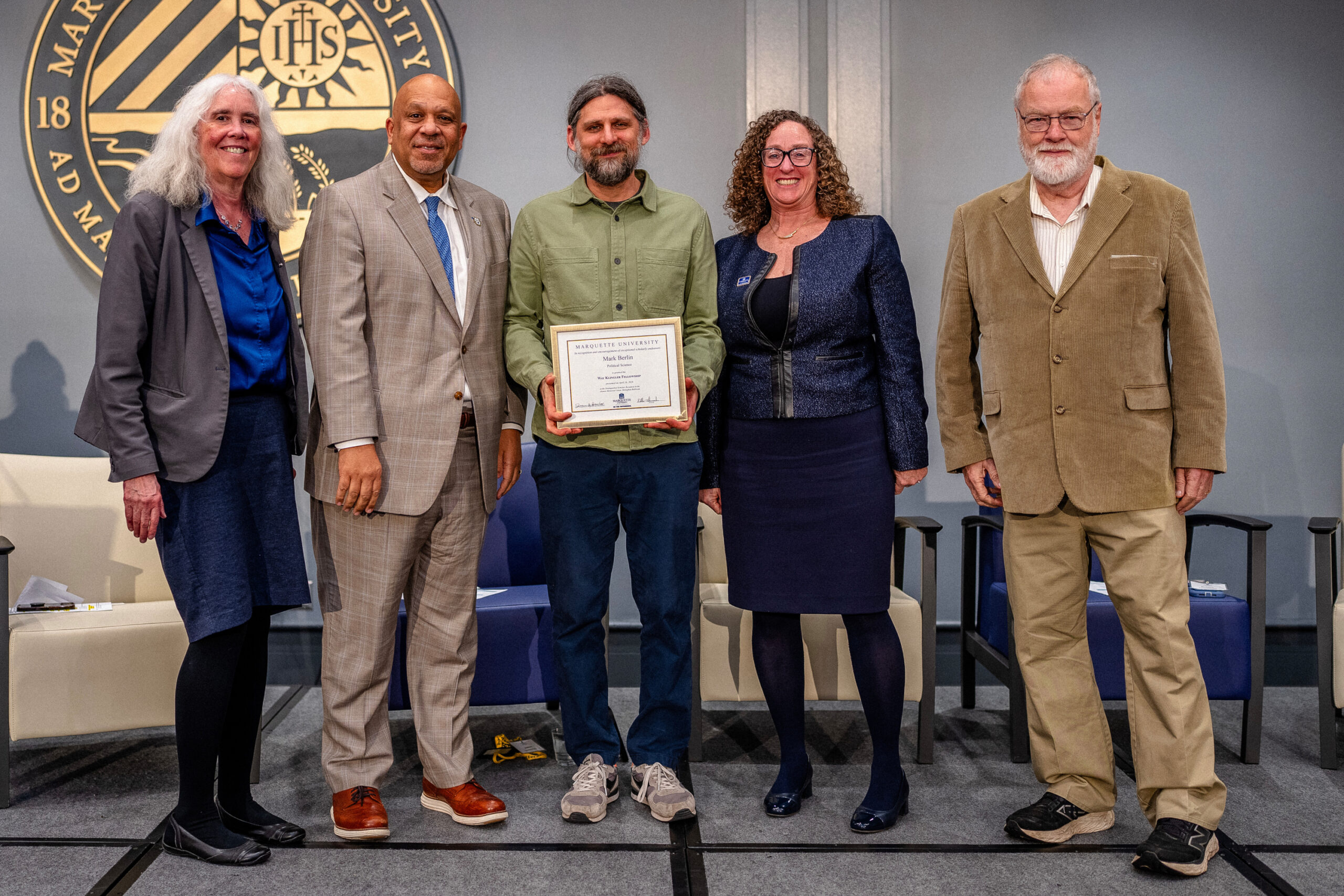
Dr. Mark Berlin, associate professor of political science in the Klingler College of Arts and Sciences
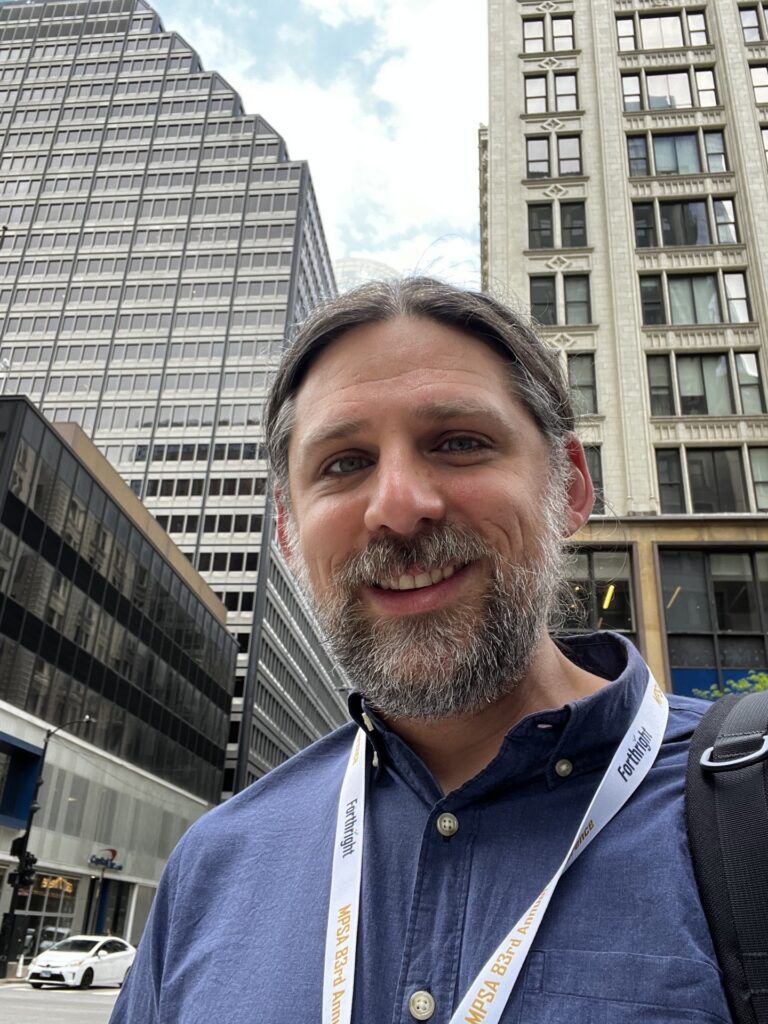
Dr. Mark Berlin’s research explores the politics of preventing and redressing violations of human rights and the laws of war. His recent research focuses on wealthy liberal democracies, like the United States, and examines why it’s so hard to hold law enforcement agents accountable for violent abuses, and what can be done about.
Berlin is currently completing a book‑length study of the Chicago Police Torture Scandal, a decades‑long pattern of abuse in which well over 100 Black men were tortured by Chicago police detectives to extract confessions. Many were wrongfully convicted, and some spent years on death row. The pattern of abuse originated in the early 1970s, but it wasn’t until the early 1990s that courts, elected officials and the media in Chicago acted to stop it. In “Torture City: Forced Confessions and Reparations in America’s Wrongful Conviction Capital,” Berlin analyzes why those institutions failed for so long and what ultimately changed to allow survivors and their advocates to secure unprecedented forms of justice, including a historic reparations ordinance. Supported by the Way Klingler Fellowship, Berlin will devote sustained time to completing the manuscript.
The project builds on Berlin’s broader work on the persistence of state violence in wealthy democracies. Most human rights scholarship focuses on how strengthening liberal institutions, like courts and democratic elections, in autocratic or transitional states can reduce state violence. But Berlin’s work shows that in democracies, these same institutions can actually serve to perpetuate patterns of abuse, especially when victims are members of marginalized communities.
“It’s a tremendous honor to have my work recognized by the university in this way, and it inspires me to keep asking these kinds of questions, which are as important today as ever,” Berlin said.
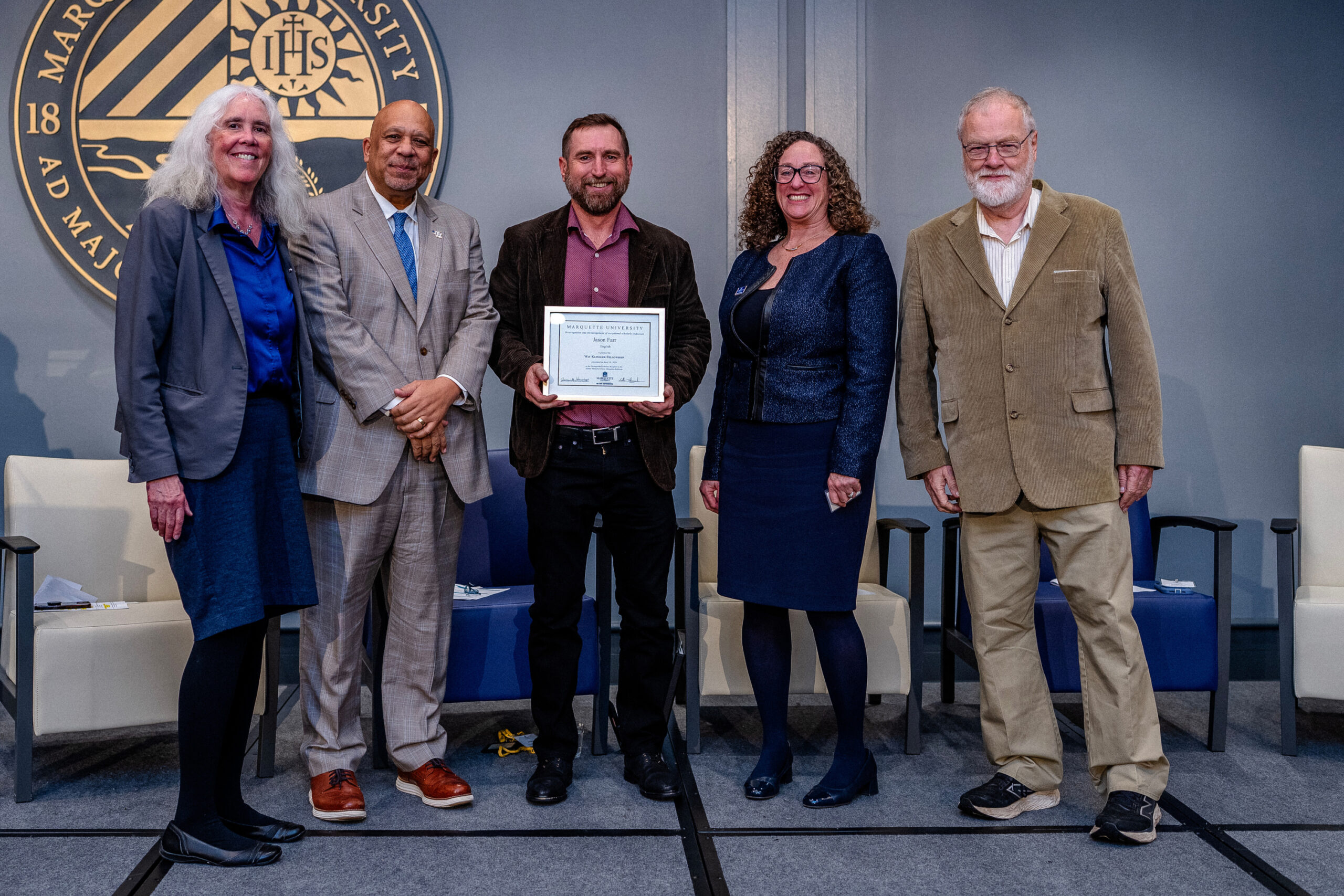
Dr. Jason Farr, associate professor of English in the Klingler College of Arts and Sciences
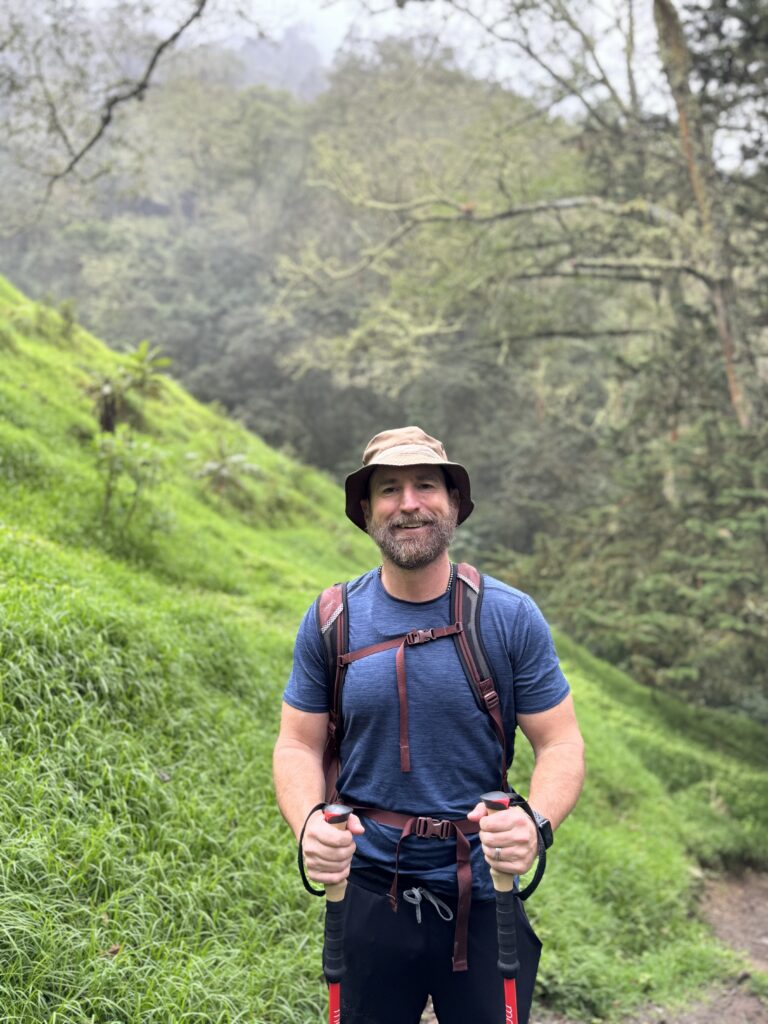
Dr. Jason Farr’s research recovers the overlooked histories of deafness and disability in 18th‑century British literature. His work shows that disability is not a marginal theme in literary history, but a powerful force that shaped how stories were written, how characters communicated and how new literary forms developed. Drawing on archival research, literary analysis and disability studies, Farr’s scholarship challenges the assumption that disabled people in the past lived lives defined only by limitation or exclusion.
Farr’s research centers on deaf experience as a source of creativity, knowledge and cultural influence. His work traces how sign language, gesture, multisensory perception and mishearing appear throughout canonical literature, influencing plot, characterization and narrative form. At the same time, he brings attention to deaf writers whose contributions have long been excluded from literary history. By placing deaf and hearing authors side by side, Farr shows how deaf culture has shaped Anglo‑American literature across centuries — a reframing that has implications not only for literary studies, but also for how disability is understood in history more broadly.
Farr was honored with the Way Klingler Fellowship at a critical moment in the development of two major book projects. The fellowship provides the time and resources needed to bring his monograph, “The Deaf Resonances of Eighteenth‑Century Fiction,” through final revisions and publication, while also advancing a collaborative volume, “Archive, Theory, Access: New Directions in Disability Studies,” which features essays from leading disability scholars about how they use archives to write about histories of disability and accessibility.
“The Way Klingler Senior Fellowship will enable me to bring my two book manuscripts to completion, to share my findings at conferences and to continue co-directing urgent conversations that are reshaping the field of disability studies,” Farr said. “I am grateful for this generous support from the Helen Way Klingler Foundation.”
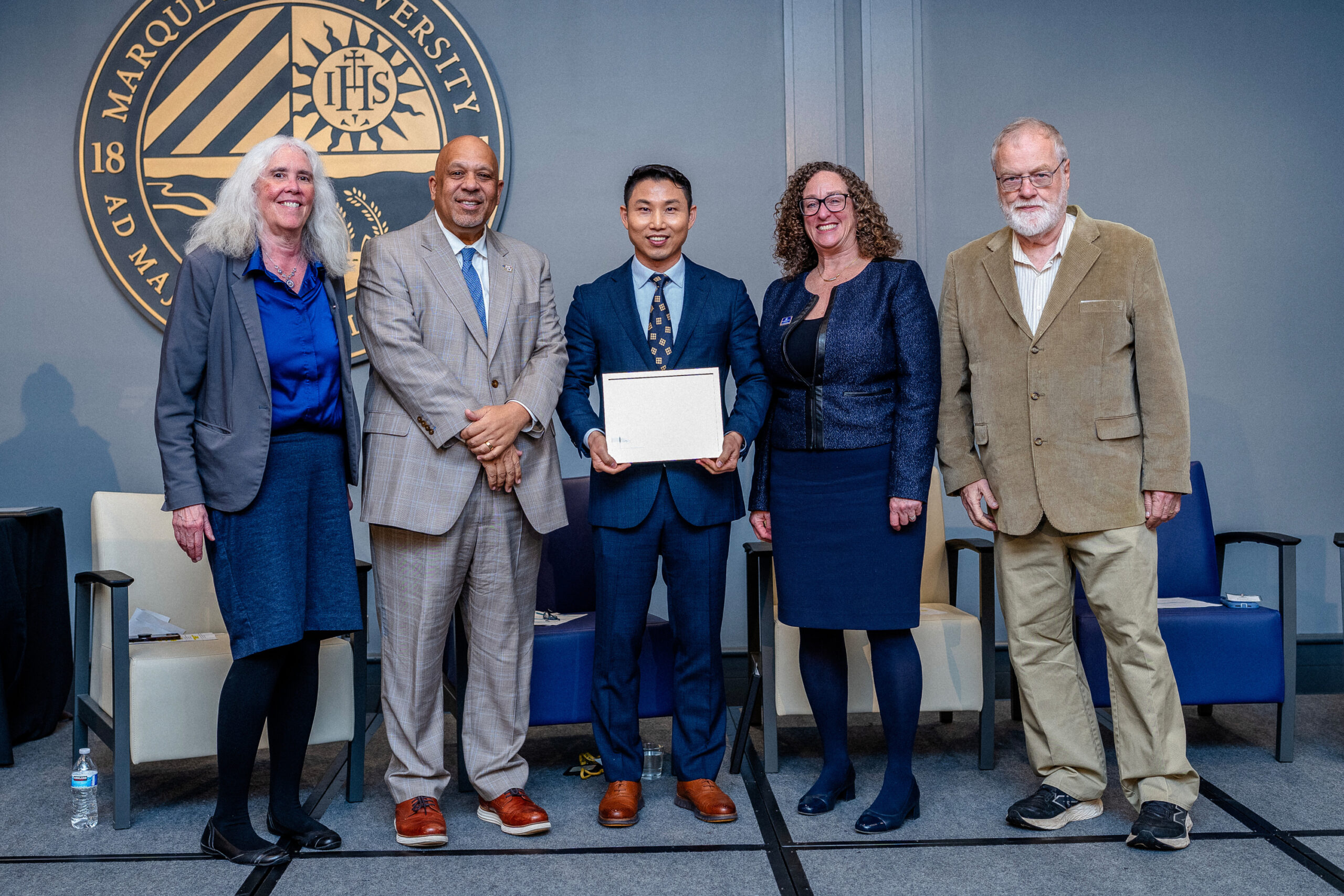
Dr. Young Kim, associate professor of strategic communication in the Diederich College of Communication

Dr. Young Kim’s research examines how organizations communicate during moments of crises driven by artificial intelligence, specifically deepfakes and how those response strategies shape trust, credibility and employee behavior. His scholarship has been widely recognized through top‑cited journal articles, national awards and inclusion among the World’s Top 2% Scientists in communication and media studies.
Kim’s current research addresses a rapidly emerging challenge for organizations: the rise of deepfakes and synthetic media generated through AI. These technologies make it increasingly difficult for employees to distinguish between authentic and manipulated messages, creating new risks for organizational trust and internal decision‑making. Kim’s work explores how organizations can proactively prepare employees for these threats by building AI literacy, helping them recognize deepfakes, understand how disinformation spreads and respond more effectively when false content circulates inside the workplace.
Supported by the Way Klingler Fellowship, Kim’s project will test new strategies for managing AI‑driven crises through experimental studies with full‑time employees across industries. The goal is to develop an evidence‑based framework for internal crisis communication that helps organizations protect employee trust, sustain commitment and respond more effectively to AI‑related disinformation. The findings will offer practical guidance for communication professionals while advancing scholarly understanding of how organizations can navigate crises in an era shaped by artificial intelligence.
“Receiving the Way Klingler Fellowship is deeply meaningful to me. It not only recognizes the significance of this project, but also validates over two decades of my practical experience and personal research in crisis communication. AI-deepfake crises are no longer hypothetical but require our agility to prepare for and address by adapting existing theoretical frameworks. In other words, the fellowship will help me advance theoretical innovation in a timely and urgent area of research as well as strengthen my further research agenda through other external funding, thereby contributing to Marquette’s growing leadership in responsible AI research.”
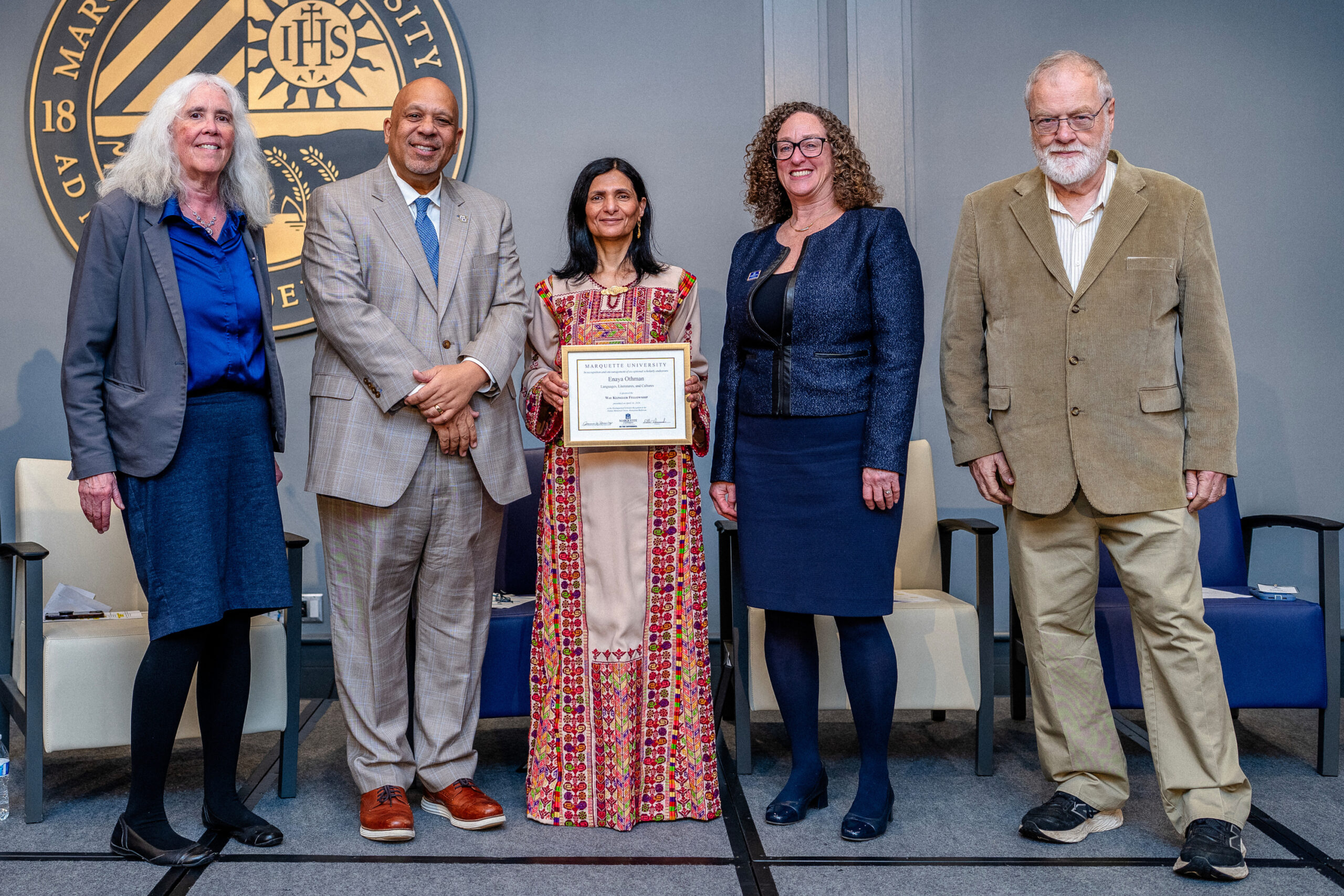
Dr. Enaya Othman, professor of Arabic, Middle Eastern, and cultural studies in the Klingler College of Arts and Sciences

Dr. Enaya Othman’s scholarship centers on Palestinian women’s cultural production, with particular attention to clothing, embroidery, and everyday practices as sites of identity, resilience, and political expression.
Through ethnography, oral history and material culture analysis, Othman examines how Palestinian women use material culture to preserve memory, assert belonging, and respond creatively to displacement and political constraint. Her work brings together history, gender studies and Middle Eastern studies to foreground forms of women’s labor, knowledge, and cultural expression that are often marginalized in political and scholarly narratives.
Othman’s research demonstrates that Palestinian dress is not simply heritage preserved from the past, but a living and evolving practice shaped by women’s labor, choices, and innovation across generations and geographies. By situating dress within households, communities and transnational networks, her work highlights women’s central role in sustaining cultural continuity amid profound social and political change.
As a recipient of the Way Klingler Fellowship, Othman will develop two chapters of her current book project, which examines Palestinian embroidery as a transnational practice connecting household labor, community organizing, cultural memory and global fashion markets. Drawing on extensive fieldwork in Palestine, Jordan and Palestinian American communities, the project shows how women transform cultural knowledge into economic and public presence while sustaining the historical and political meanings embedded in dress.
“I am deeply honored to be nominated for the Helen Way Klingler Distinguished Scholars Award,” Othman said. “This recognition affirms the importance of research that centers on women’s creativity, leadership, and cultural knowledge, and of scholarship that reaches beyond the academy through digital archives, exhibitions, and other forms of public engagement.”
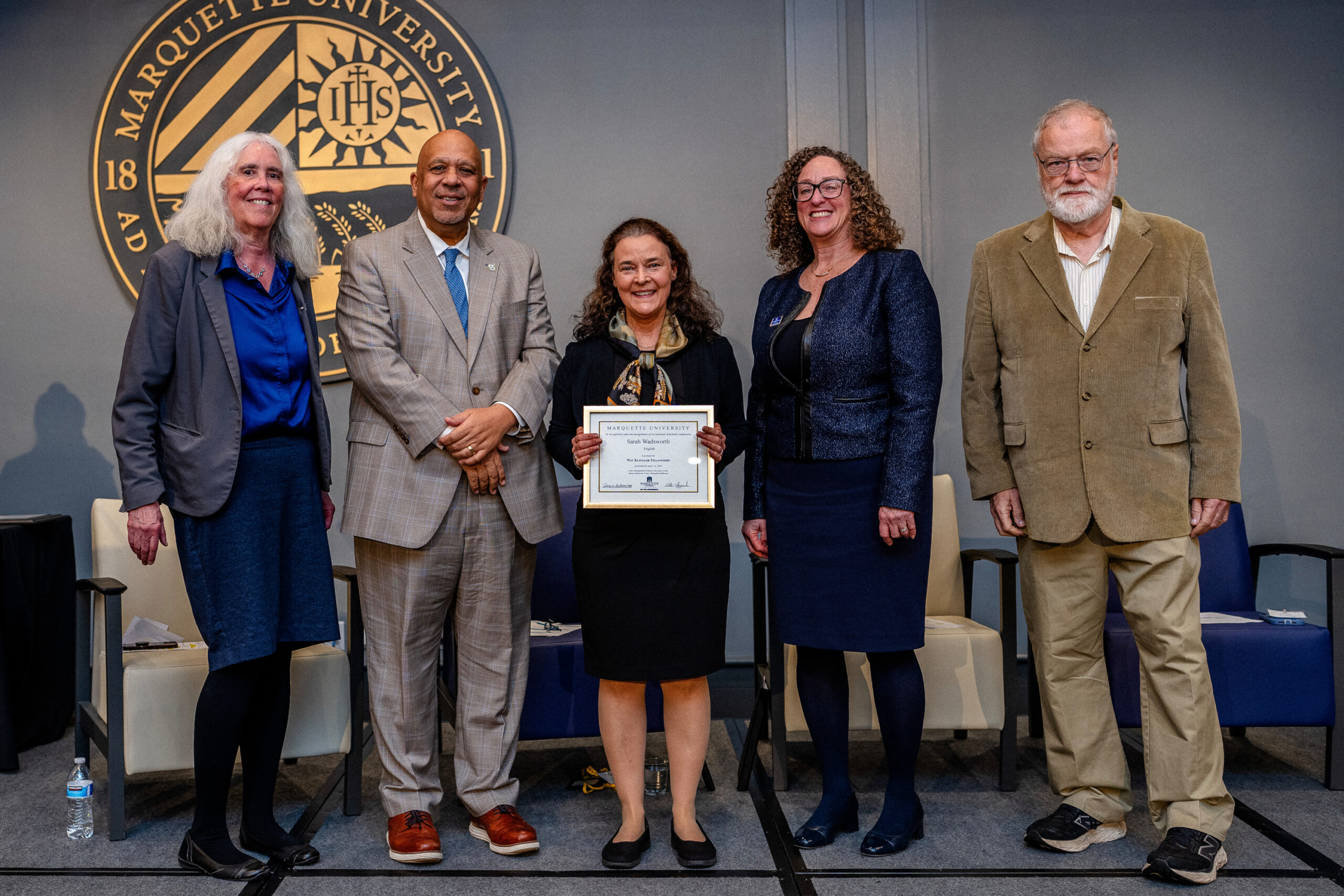
Dr. Sarah Wadsworth, professor of English in the Klingler College of Arts and Sciences and director of the Marquette University Press
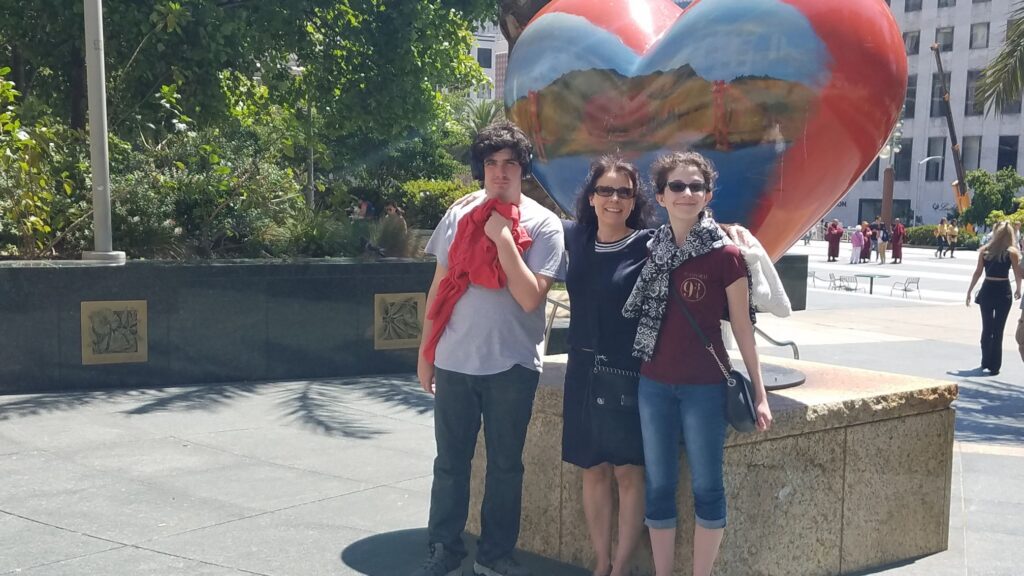
Dr. Sarah Wadsworth is a scholar of 19th-century American literature whose work examines how people read, write and make meaning through books, letters and other forms of print culture. Her research sits at the intersection of literary history, literary criticism and the history of the book, with longstanding interests in correspondence, reading communities, childhood and the ways writing circulates through everyday life.
Wadsworth’s current project, “In Deepest Sympathy: An Anthology of Letters from the Epistolary Age,” brings together a wide-ranging collection of letters written in response to death. While historical correspondence is often published in single-author volumes, no scholarly anthology has yet gathered letters across many writers and communities around the shared experience of loss. Through the Way Klingler Fellowship, Wadsworth will address that gap by assembling, editing and annotating letters that confront death, including letters announcing a death, letters of condolence, letters of remembrance and letters shaped by grief, faith, doubt or consolation. These texts reveal how their writers grappled with mortality in deeply personal yet carefully composed ways.
The project speaks powerfully to the present moment. In an era when death is often hidden, compartmentalized or reduced to statistics, historical letters offer a record of deliberate care with language and connection. Wadsworth’s anthology will make scattered archival materials accessible to scholars, students and general readers alike, while also serving as a resource for those working in fields such as health humanities, ministry, education and social services.
“The Way Klingler Fellowship is a very meaningful honor to receive at this stage of my career, reflecting both the recognition of peers and the university’s long-term investment in my work,” Wadsworth said. “The extensive archival research made possible by the generosity of Helen Way Klingler will allow me to develop this project in ways that would not otherwise have been possible.”
Way Klingler Early Career Award
Dr. Manal Hamdan, assistant professor and director of the Predoctoral Program in Oral and Maxillofacial Radiology in the Marquette School of Dentistry
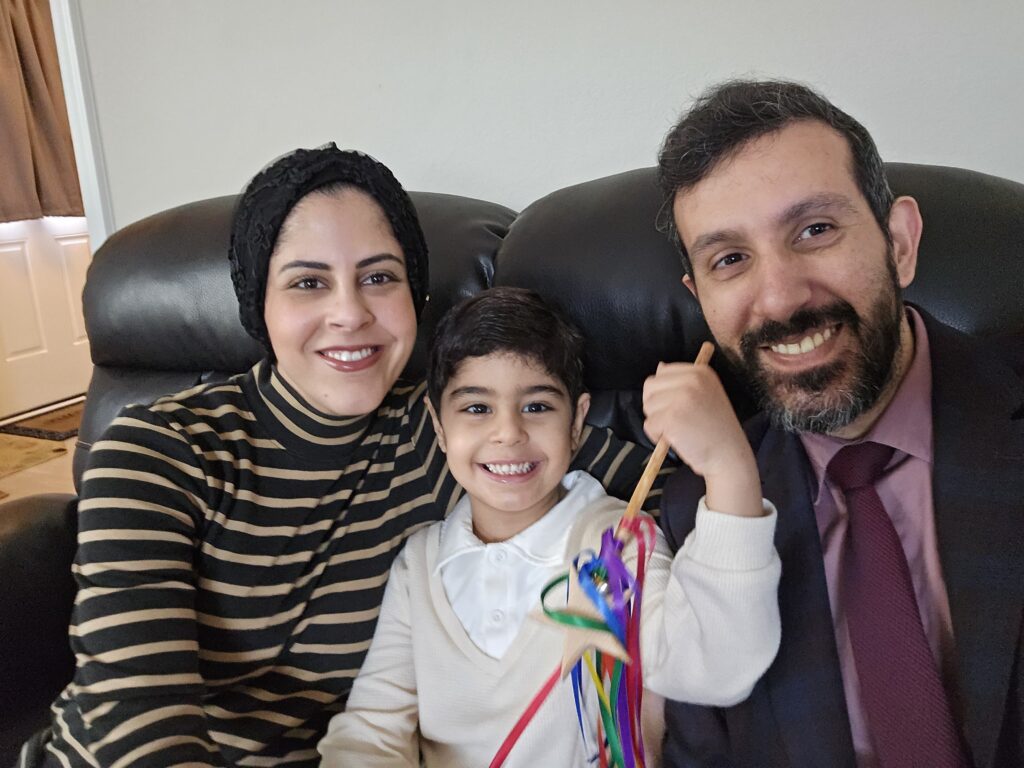
Dr. Manal Hamdan’s research focuses on the responsible integration of artificial intelligence into oral and maxillofacial radiology. Her work examines how AI can improve diagnostic accuracy, support clinical decision‑making and expand access to expert interpretation in dental imaging. Grounded in real clinical settings, Hamdan approaches AI not as a purely technical innovation but as a clinical tool that must be usable, ethically grounded and aligned with everyday diagnostic workflows.
A defining feature of Hamdan’s research is her effort to lower technical barriers that have traditionally limited clinician participation in AI development. Using low-code and no-code AI platforms, she enables clinicians, students and trainees to develop and evaluate computer vision models without advanced programming expertise. Her studies have demonstrated the effectiveness of these accessible tools for certain tasks such as detecting dental restorations, caries and periapical lesions, while also serving as educational platforms that build AI literacy among dental learners. This work has resulted in numerous peer-reviewed publications, conference presentations and student research awards, reflecting clinical relevance and translational impact.
Complementing her model development work, Hamdan studies how AI assistance influences clinical judgment across different levels of training. Her research shows that while AI tools can enhance diagnostic performance, their value ultimately depends on how clinicians interpret and apply AI-generated information. Supported by the Way Klingler Early Career Award, she will use protected research time to expand multi-institutional collaborations, further develop and validate no-code models, and prepare a competitive external grant application.
“It’s truly meaningful to be recognized in this way. It affirms my belief that innovation in dentistry should be accessible, thoughtful and grounded in clinical impact — and it inspires me to keep pushing that forward.”
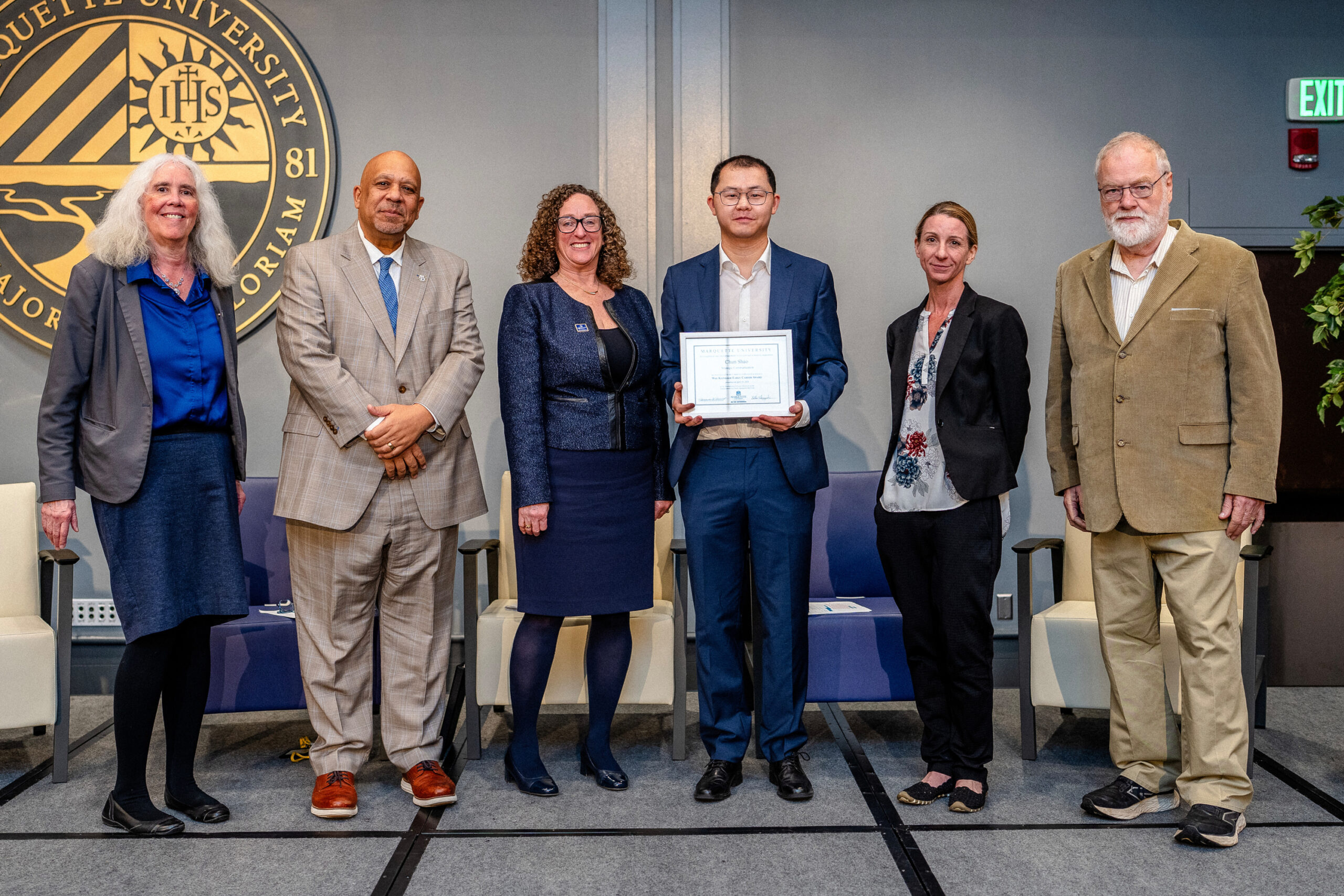
Dr. Chun Shao, assistant professor of strategic communication in the Diederich College of Communication
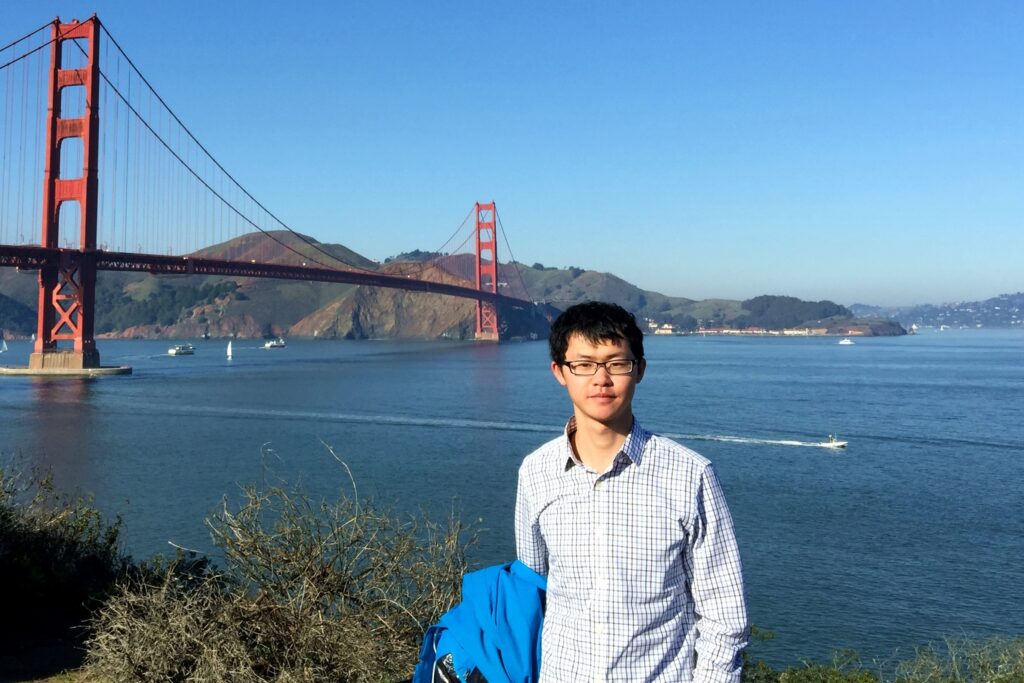
Dr. Chun Shao’s research examines how people engage with emerging communication technologies and how those interactions shape trust, civic engagement and public discourse. His work focuses on the social and psychological dimensions of media use, with particular attention to artificial intelligence and computer-mediated communication. Using surveys, experiments, computational analysis and qualitative methods, Shao studies how individuals navigate complex media systems in ways that influence both personal decision making and broader societal outcomes.
A central strand of Shao’s research explores how users adopt and evaluate AI enabled technologies such as chatbots and automated systems. His recent studies examine the roles of motivations, empathy and trust in shaping how people respond to AI tools and to the organizations that deploy them. By focusing on users’ experiences rather than technical performance alone, his work contributes to ongoing conversations about AI design, technology adoption and human centered communication practices across industries.
Complementing this work, Shao has developed a substantial body of research on conspiracy theories in digital spaces. Drawing on large scale social media data, interviews and mixed methods analysis, he examines how false narratives emerge, spread and interact during periods of social disruption. Supported by the Way Klingler Early Career Award, Shao will devote a full research semester to advancing an integrated program of scholarship on communication technology and digitally mediated civic life.
“I am deeply honored and truly grateful to receive this award. As an early-career researcher, I sincerely appreciate the opportunity to contribute to advancing our understanding of communication technologies and their role in society,” Shao said. “This award will provide invaluable support by enabling me to complete my current project on users’ adoption of AI technologies and to pursue new research directions that may bridge scholarly inquiry with real-world applications.”
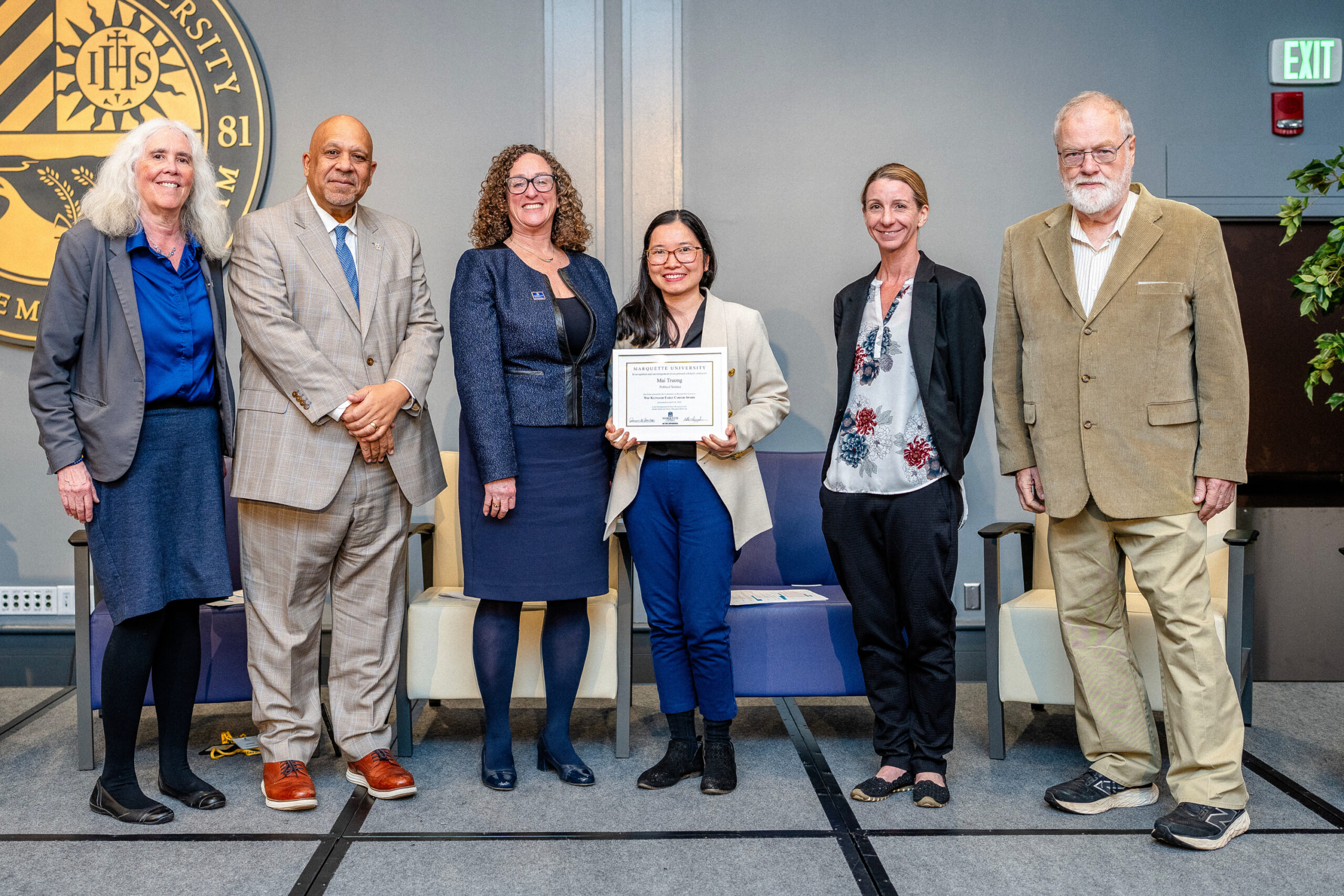
Dr. Mai Truong, assistant professor of political science in the Klingler College of Arts and Sciences
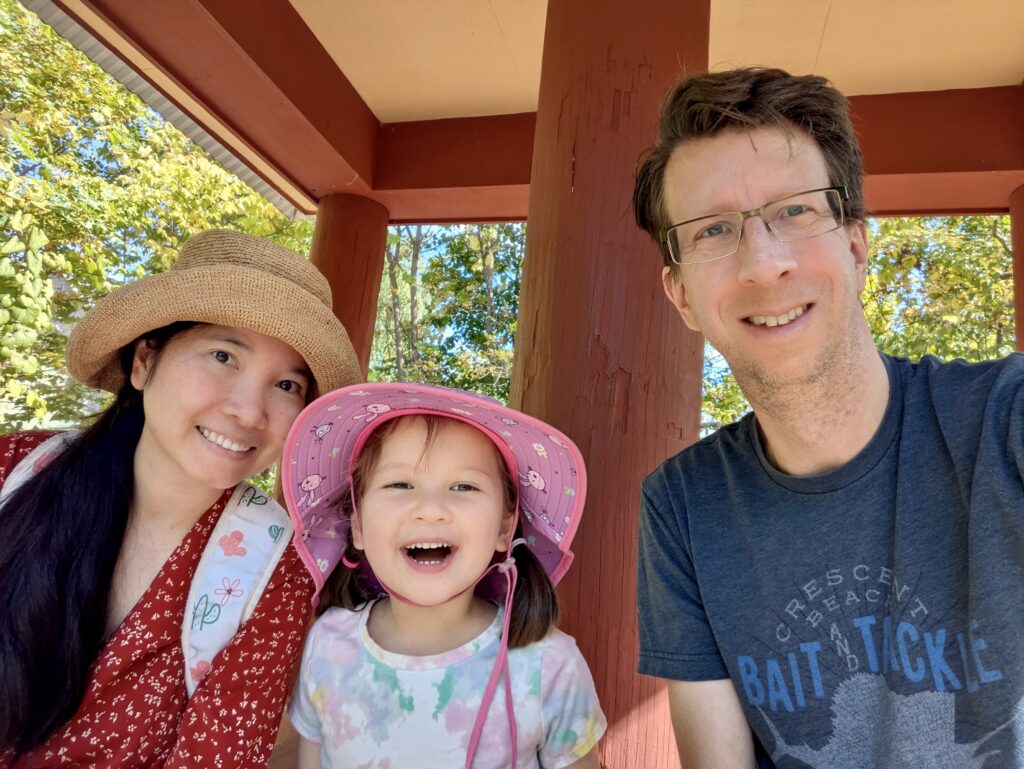
Dr. Mai Truong is a political scientist whose research examines how social movements operate under non-democratic rule and what enables them to build broader coalitions for political and policy change. Her work focuses on the interaction between grassroots activism, state institutions and public perceptions, with particular attention to southeast Asia.
Truong’s current book project, “The Politics of Blame Attribution: Coalition Formation Between Policy and Pro‑Democracy Movements in Southeast Asia,” investigates why policy‑based movements, such as those focused on land rights, labor conditions or environmental protection, sometimes join forces with pro‑democracy activists, and why they often remain fragmented. Focusing on Malaysia and Vietnam, she shows that coalition‑building depends in large part on where policy-based activists assign responsibility for policy failures. When grievances are attributed to national governance as opposed to local governance, policy-based movements are more likely to see democratic reform advocated by pro-democracy movements as necessary and to pursue alliances across issue areas.
Supported by years of extensive fieldwork in Vietnam and Malaysia, Truong’s book combines in‑depth interviews with activists and civil society leaders, original survey experiments and cross‑national data on opposition coalitions across southeast Asia. The Way Klingler Early Career Award will provide a full semester of dedicated writing time, allowing Truong to prepare the manuscript for submission to a university press.
“I am deeply grateful to receive this prestigious award,” Truong said. “It reflects the recognition and support of my colleagues, department, and college, which means the world to me. I still remember attending the Distinguished Scholar Award event during my first year at Marquette two years ago, watching colleagues I deeply admire receive their awards, and quietly telling myself that I hoped one day I would be among them. I am overjoyed to see that dream come true.
“This award will allow me to continue my work on democracy and political change at a time when democratic freedoms are under increasing pressure around the world, and to share these findings with both academic and broader public audiences.”
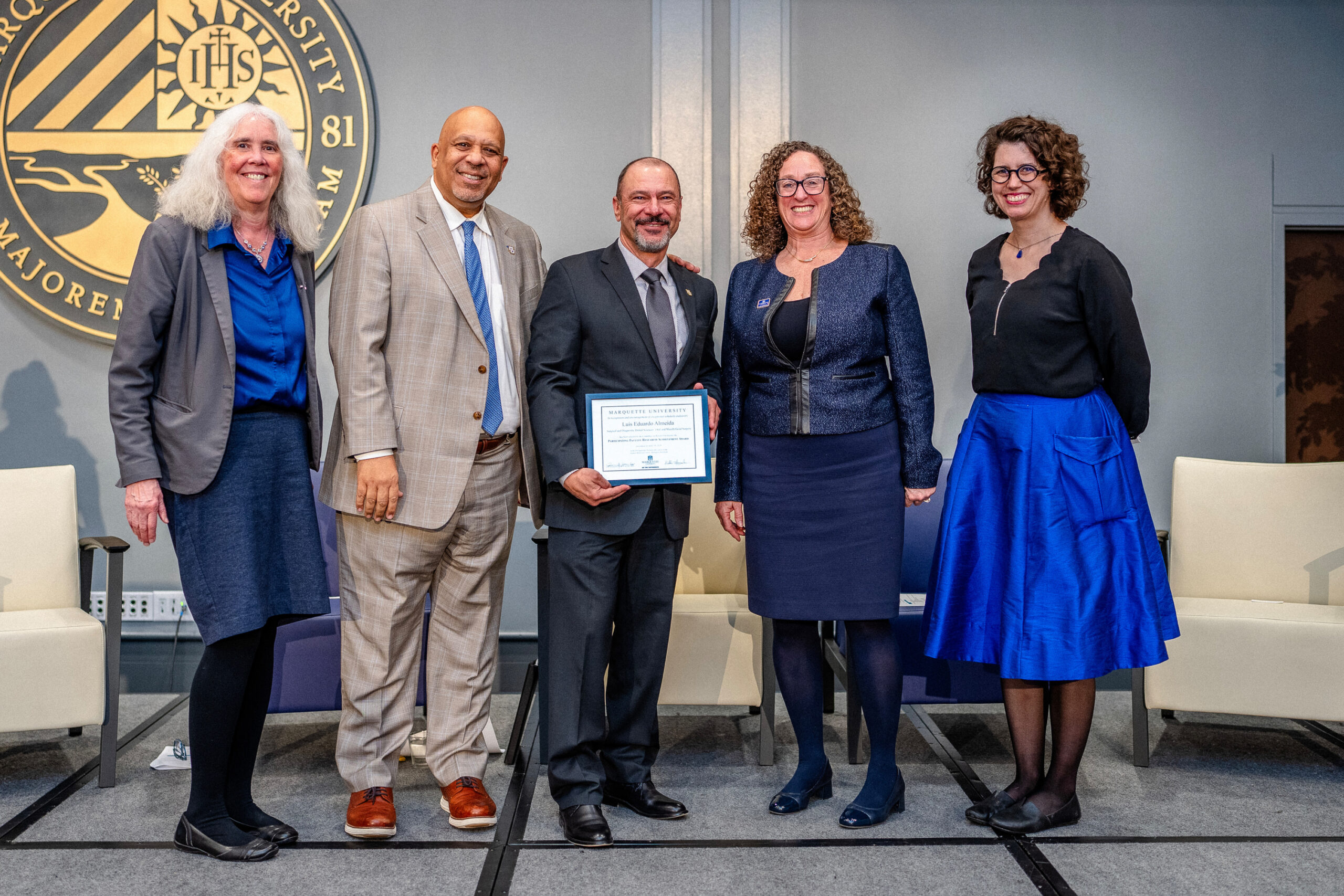
Participating Faculty Research Award
Dr. Luis Eduardo Almeida, clinical professor of surgical and diagnostic sciences and Predoctoral Program Director of Oral and Maxillofacial Surgery in the Marquette School of Dentistry
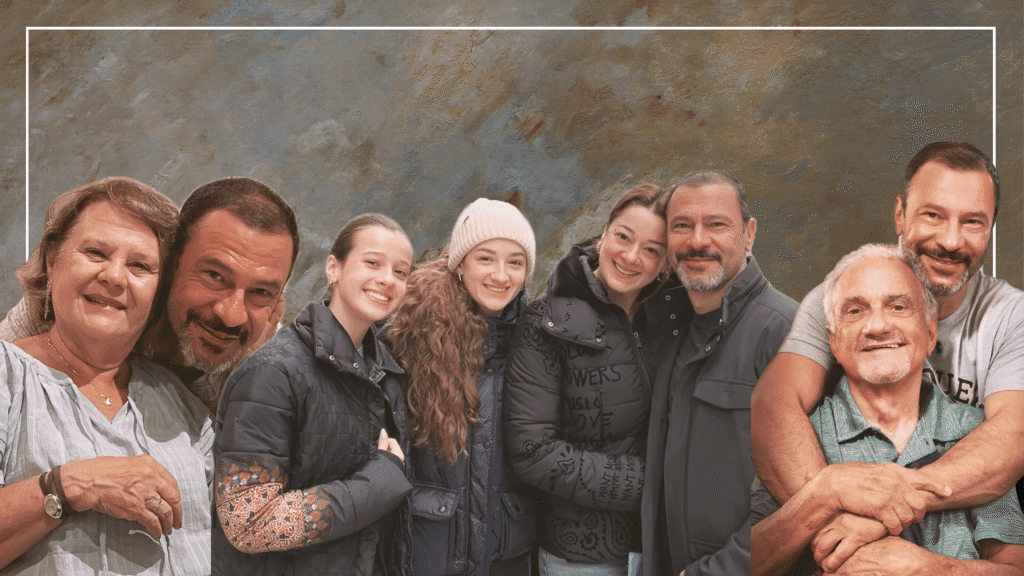
Dr. Luis Eduardo Almeida’s research focuses on improving the diagnosis and treatment of temporomandibular joint disorders, complex conditions that affect pain, jaw function and quality of life for millions of patients. His work integrates basic science, molecular analysis and surgical practice to better understand the biological processes underlying TMJ disease and to translate those insights into more effective clinical care. By linking laboratory findings with real‑world surgical outcomes, Almeida bridges a longstanding gap between research and practice in oral and maxillofacial surgery.
A central contribution of Almeida’s research has been identifying biological markers involved in TMJ degeneration and repair, clarifying how inflammation and tissue remodeling influence treatment success. His recent work includes systematic reviews and long‑term analyses of total temporomandibular joint replacement, examining prosthesis performance, complications and patient quality of life. These studies provide clinicians with evidence‑based guidance for selecting appropriate surgical approaches and highlight the importance of personalized care for complex TMJ conditions.
Almeida’s research is closely tied to education and mentorship. At Marquette, he has supervised dozens of predoctoral students and residents, many of whom have gone on to advanced training in oral and maxillofacial surgery, and he regularly includes trainees as co‑authors on publications and presentations.
Almeida shared a quote from Stephen Hawking that particularly inspires him: “The greatest enemy of knowledge is not ignorance. It is the illusion of knowledge.”
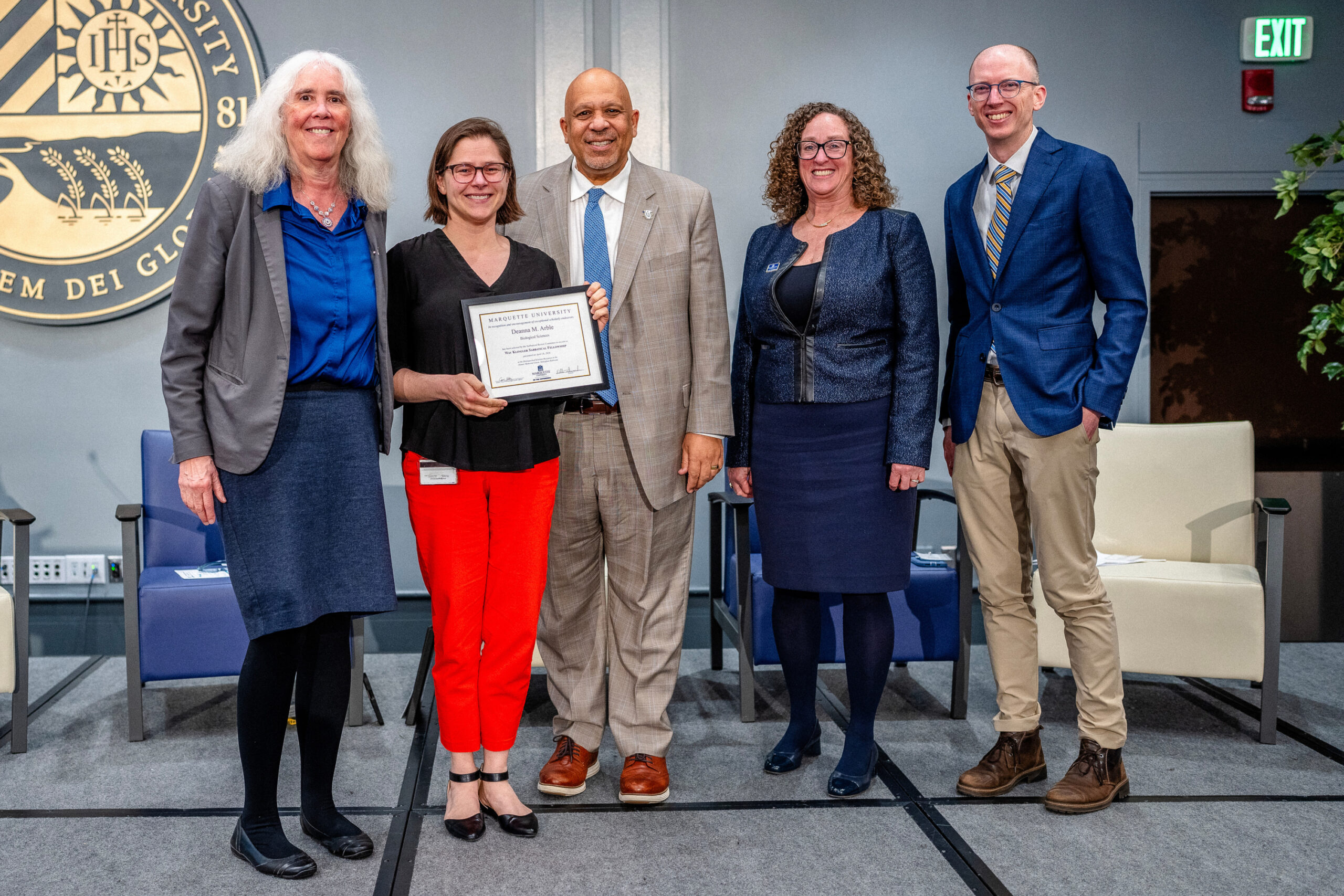
Way Klingler Sabbatical Fellowship
Dr. Deanna Arble, associate professor of biological sciences in the Klingler College of Arts and Sciences

Dr. Deanna Arble will use her sabbatical to investigate how environmental light exposure influences metabolism and obesity risk in humans.
Her project, “Environmental light and obesity risk: Insights from southern European populations strengthen research, teaching, and the Milwaukee community,” combines population-level research with cellular biology to better understand how the timing and duration of light exposure affect metabolic health. Drawing on data from southern European populations — where daily life often includes greater exposure to natural daylight — Arble aims to identify low-cost, non-invasive strategies that could inform public health efforts in Milwaukee and beyond.
During her sabbatical, Arble will collaborate with researchers at the Center for Innovative Biomedicine and Biotechnology at the University of Coimbra in Portugal, integrating expertise in circadian biology, cellular metabolism and translational health research. The work is expected to result in peer-reviewed publications, new research collaborations and community-focused outreach materials that translate scientific findings into accessible guidance.
“The Way Klingler Sabbatical award is personally and professionally life changing,” Arble said. “I’m honored to receive it and excited for the impact it will have at Marquette and in our community.”
Dr. Sergio González, associate professor of history in the Klingler College of Arts and Sciences
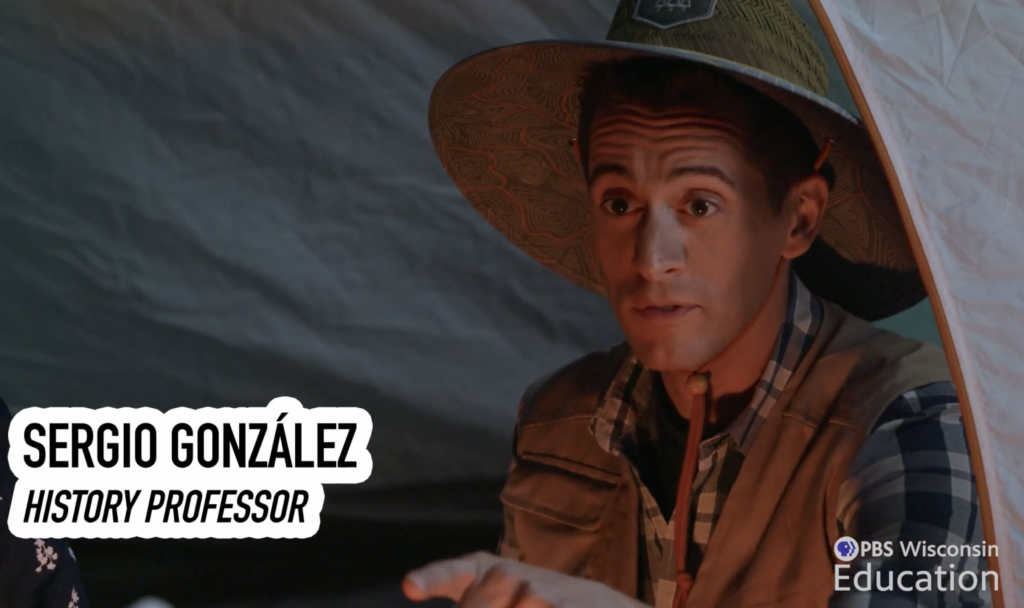
Dr. Sergio González will devote his sabbatical to completing his next book, “Sanctuary on Trial: Criminalizing Immigrant Solidarity in Modern America.”
Written for both academic and public audiences, the book explores questions of moral authority, religious freedom and civil disobedience, highlighting how sanctuary has become a central fault line in modern American political and religious life.
The project traces the nearly half-century history of the sanctuary movement in the United States, examining how faith communities, local governments and activists have provided refuge to immigrants — and how those efforts have increasingly been met with government surveillance, prosecution and political backlash. Drawing on archival research, oral history interviews and legal records, González situates contemporary debates over sanctuary within a longer history of conflict between church, state and movements for immigrant justice.
“At a moment when immigrant communities face profound uncertainty, and when the work of humanistic and historical scholarship feels especially urgent and under attack, the support offered by the Way Klingler Fellowship makes it possible to continue telling stories that help us understand our past and navigate our present,” González said.