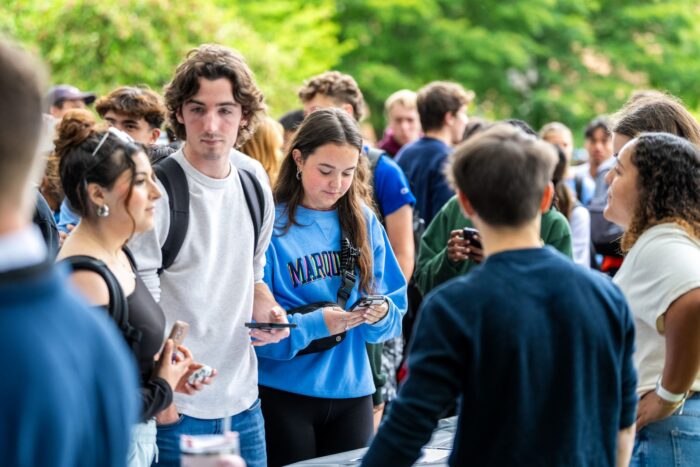

Photo by Nathan Bajar
When filmmaker Michael Schultz walked down the aisle at the Oriental Theatre last September, the audience erupted in cheers. Kicking off Milwaukee Film’s tribute weekend in his honor, Schultz introduced the first of three of his films being screened that weekend — the much-loved martial-arts musical The Last Dragon.
“I had to say, ‘OK, calm down,’” Schultz says with a laugh. “I’m not one for reveling in that kind of stuff. I wanted them to enjoy the movie.”
Schultz’s easygoing humility might seem at odds with his trailblazing career. A native Milwaukeean, Schultz, Sp ’64, began his career in theatre at Marquette and in New York before becoming one of the first Black artists to regularly direct film and television productions. Since the 1970s, Schultz has directed more than a dozen films — including classics like the coming-of-age drama Cooley High and the star-studded comedy Car Wash — and worked on more than 100 TV shows. He also helped launch the careers of Samuel L. Jackson and Denzel Washington, directing both in their first feature films.
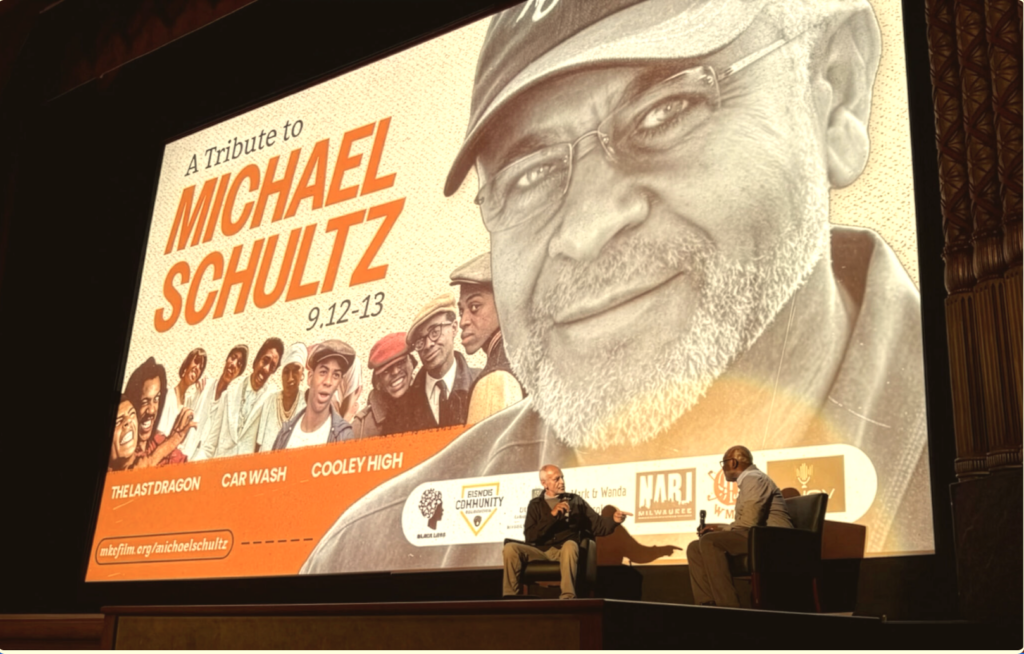
In short, he’s among Hollywood’s most prolific and longest-working directors. And at 87, Schultz shows no signs of slowing down. Last fall, he directed two episodes of All American, a drama on the CW that he’s worked on for eight seasons.
Yet despite his busy schedule, when Schultz was invited by Milwaukee Film to receive the inaugural Michael Schultz Award, conceived as an annual award given to a luminary Black filmmaker, he accepted. It had been exactly a half-century since Schultz had been back to his hometown; he had last returned to teach a theatre workshop at Marquette in 1975.
“I was very honored to have the red carpet rolled out over the weekend,” Schultz says.
A storied career
Over 60 years, Michael Schultz has left a lasting imprint on the American cinema and television landscape.
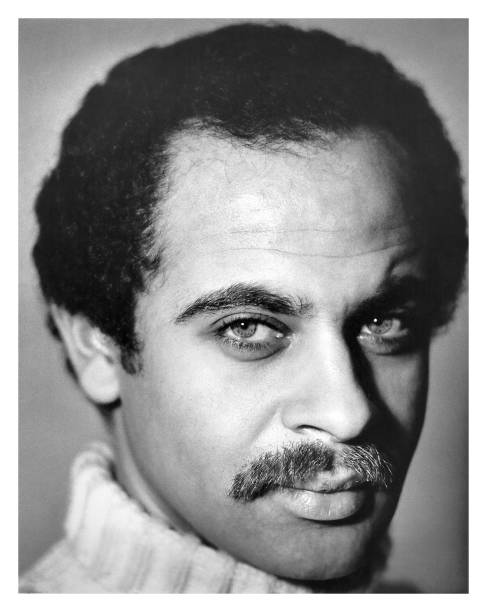
1964 — Graduates from Marquette and moves to NYC
1969 — Directs Al Pacino in a Broadway play
The path that would come to include more than five decades in Hollywood started with a childhood on Vine Street in Milwaukee — and, crucially, four years at Riverside High School. Balancing his interests in athletics, arts and academics, Schultz played baseball and football, ran the school’s 16mm film projector and participated in student theatre productions, sowing the seeds for his future creative pursuits.
After graduating, Schultz’s dreams of studying aerospace engineering and becoming an astronaut quickly flamed out when he got a D in calculus during his first semester at the University of Wisconsin–Madison. He stayed there only two years, but the experience was still formative: While sampling other subjects, Schultz spent most of his free time in a local movie theatre, immersing himself in the films of Ingmar Bergman and Federico Fellini. “I was getting my own film school education,” he says. “I remember thinking, ‘Man, I would love to be able to tell stories like these guys.’”
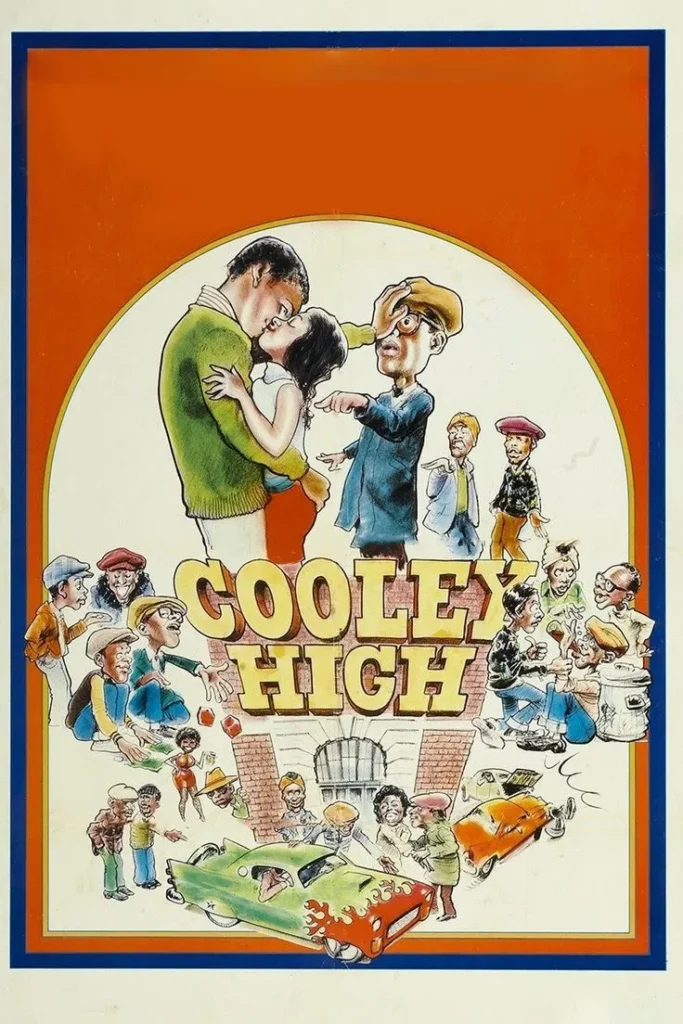
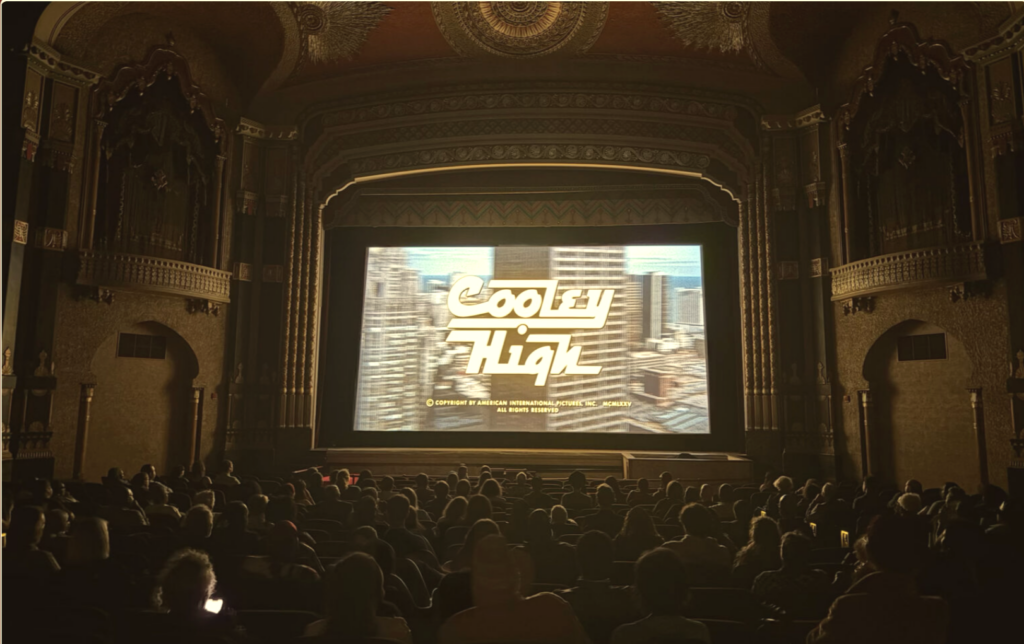
1975 — Cooley High is released and grosses over $13 million at the box office. The critically acclaimed film marked the start of Schultz’s ascent in Hollywood and has been recognized as a classic of Black cinema.
Eventually, after dropping out of UW–Madison and briefly working the night shift at a steel mill, a friend suggested Schultz apply to Marquette’s theatre program. “I said, ‘I’m trying to get out of Milwaukee,’” he says. But then he met with Rev. John J. Walsh, S.J., the longtime director of the program, who told Schultz, “You’re going to live, eat and breathe theatre.”
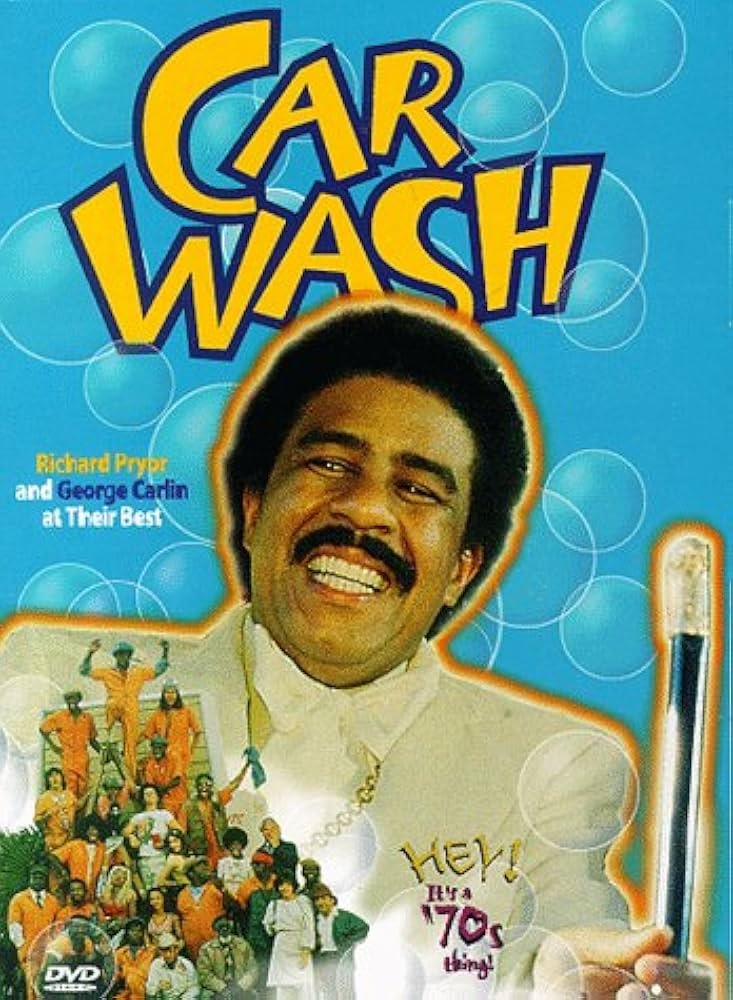
1976 — Directs Richard Pryor and George Carlin in Car Wash
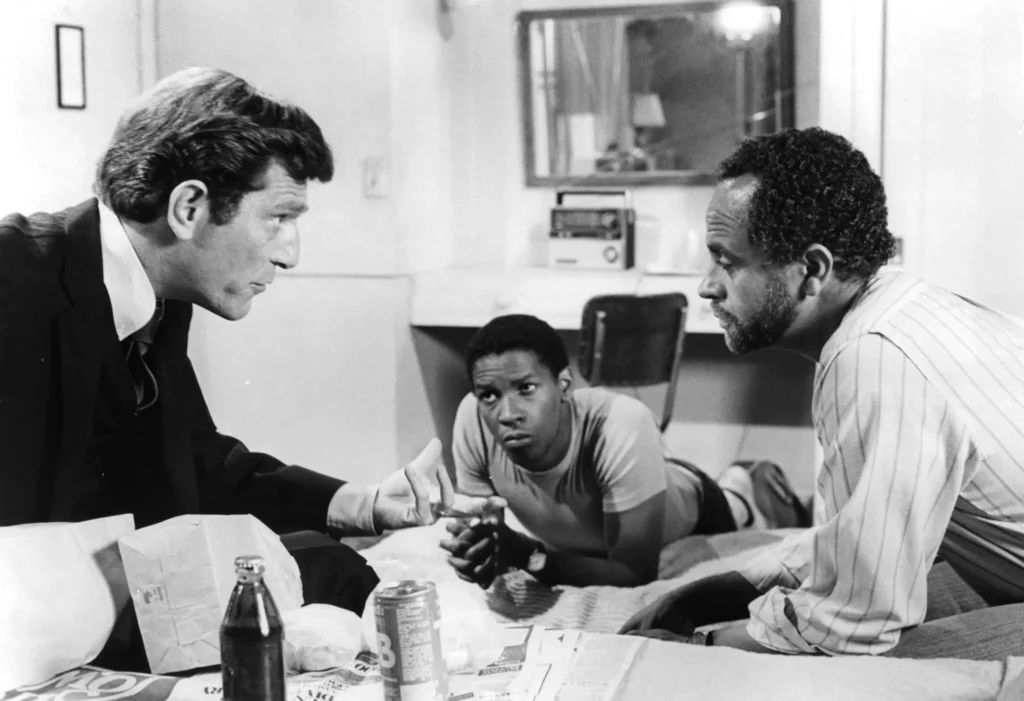
1981 — Casts Denzel Washington in Carbon Copy, the future Oscar winner’s film debut
After enrolling, Schultz did exactly that. Under Father Walsh’s stewardship, he became the program’s lighting designer, where he got a front-row seat to watch student actors perform Shakespeare and other classics.
Beyond the technical skills he gained, Schultz absorbed long-lasting lessons from Father Walsh, whose vision for theatre at Marquette was steeped in Ignatian humanism. “I learned that the real reason for doing this was not about making money [or] getting famous,” he says. “It was about uplifting the audience so the people who came into the theatre were different people when they came out.”
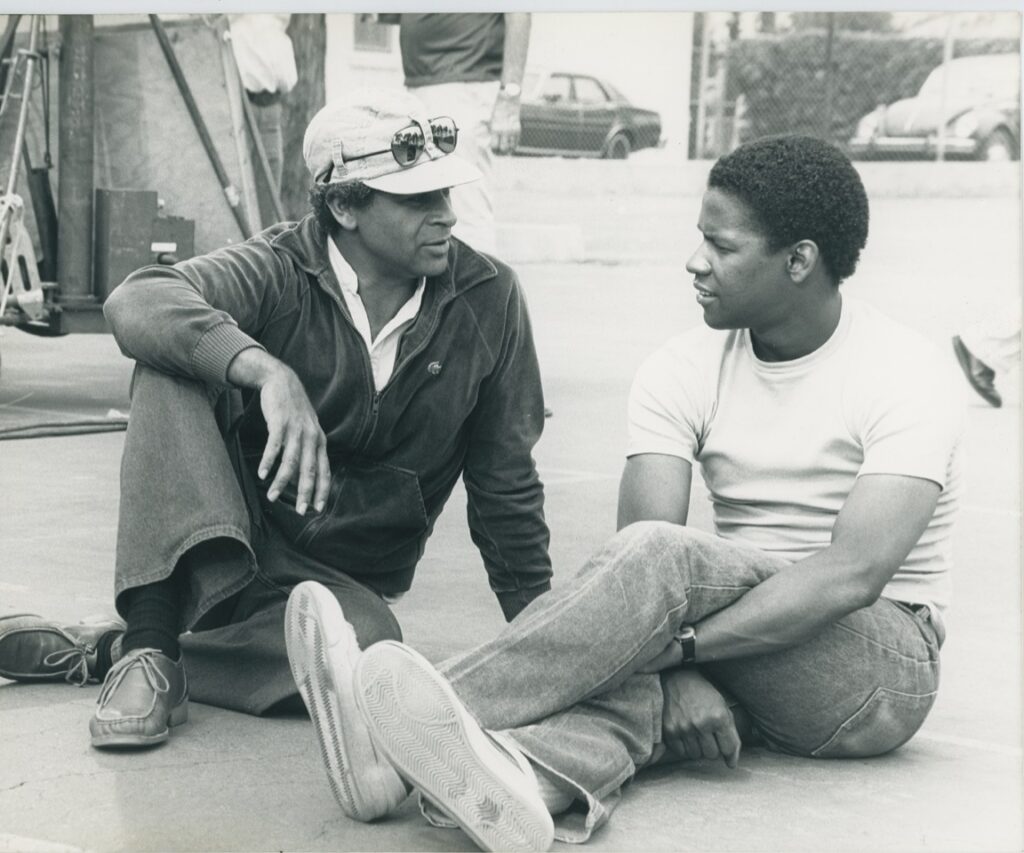
When he graduated in 1964, Schultz was eager to get started in New York; in fact, he skipped graduation to go straight there. He then nabbed a role in an award-winning production of Melville’s Benito Cereno, where he focused more on his peers than his own performance. “I’m not really acting,” he recalls. “I’m looking at the other actors saying, ‘Well, you shouldn’t say the line this way.’ I’m directing.”
Soon, Schultz was directing, from an initial gig directing an off-Broadway play to bigger theatrical productions. His first Broadway play, Does a Tiger Wear a Necktie?, was initially written for then-budding actor Jon Voight. But then, an actor Schultz had bumped into at an awards ceremony came to audition: a young Al Pacino.

1985 — The Last Dragon grosses $26 million at the box office. Blending elements of musicals and martial-arts films, it has become a cult classic.
“I’m sitting next to the playwright and I said, ‘I don’t care what you wrote. That’s the guy,’” Schultz recalls. “So, we cast Al to play the part.” Pacino won a Tony Award for his performance — and Schultz’s ability to recognize emerging talent would continue throughout his career.
In the early 1970s, Schultz fulfilled his dream of working in film. After directing To Be Young, Gifted and Black, a stage play turned TV movie, he went on to direct Cooley High. The film, which follows a group of high schoolers in 1964 Chicago, broke new ground in its authentic depiction of the young Black experience in movies. “At the time, there was no film like it,” Schultz says. “I knew that if I made it so true to the Black experience, it would transcend color.”
Decades later, in 2021, Cooley High was selected for preservation in the National Film Registry by the Library of Congress for its cultural significance. It’s also been cited as a touchstone for filmmakers such as John Singleton and Spike Lee — even making the list of essential movies that Lee shares with his students at NYU. “It’s exactly what should happen with all filmmakers,” Schultz says. “Just like I was inspired by Fellini and Luc Besson. I’m happy my work has had that effect on people.”
There have been other ripple effects of Schultz’s work. He cast Denzel Washington, then 26, to play the Black son of a white corporate executive in 1981’s Carbon Copy. The role was Washington’s movie debut. “He was sitting out in the hallway waiting to audition, and he just had a striking energy,” Schultz recalls. “He came in and read, and I knew instantly that he was the guy to play that part.”
Schultz’s feature films range dramatically in genre and scale, from the ensemble comedy Car Wash to the big-budget Beatles-themed musical Sgt. Pepper’s Lonely Hearts Club Band (starring the Bee Gees, no less). But since the 1990s, Schultz has largely worked as a television director. “I hated sitting at a desk after one feature was done,” he says. “So instead of waiting for some executive to give me the green light, I would go back and do television.”
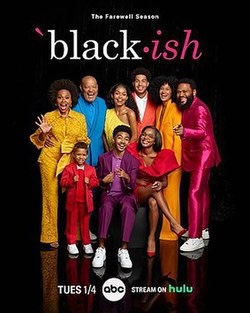
1997–2001— Directs seven episodes of Ally McBeal, in a TV career ranging from The Rockford Files to Gilmore Girls
2015–25 — Directs six episodes of Black-ish and 15 episodes of CW’s All American, among other credits
Schultz’s work in TV is also impressively far-ranging. He’s directed episodes of The Rockford Files, Ally McBeal, New Girl, Arrow and many more. His work on many shows — including All American and Black-ish — spans multiple seasons. For Schultz, the medium presents the opportunity to reach millions of people while honing his creative skills. “It’s like a sharpening stone,” he says. “The more you work under the pressure of television, the sharper you get in terms of decision-making.”
When Schultz returned to Milwaukee in September, it had been a while since he had thought about his native city. After his last visit to Marquette in 1975, his mother — the last relative Schultz had in Milwaukee — moved to New Mexico. “There was no reason for me to go back,” Schultz says. “So, I was very excited when Milwaukee Film invited me to come; it turned out to be a great deal of fun.”
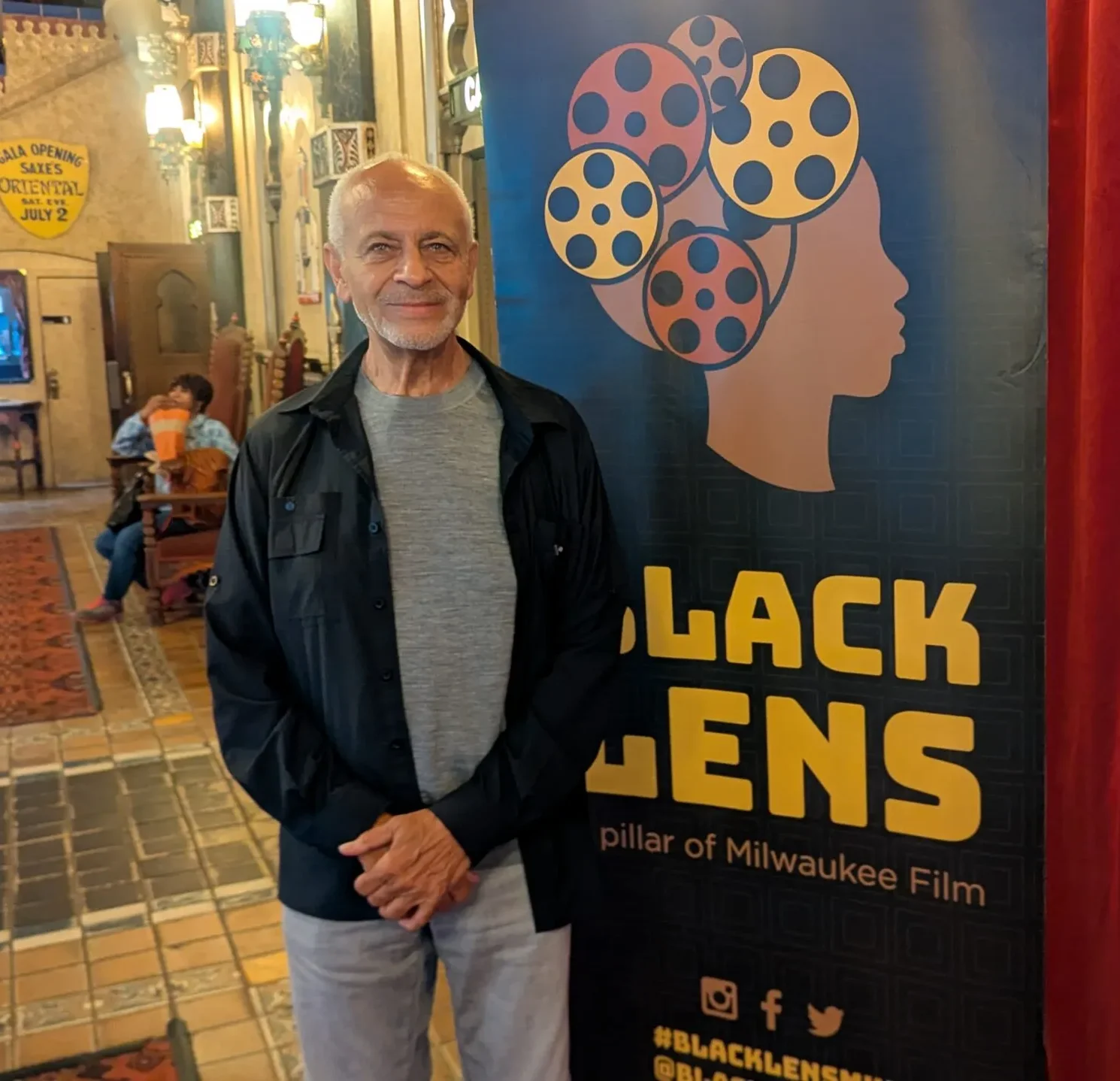
2025 —
Milwaukee Film honors Schultz with an award in his name
After beginning the weekend with screenings of The Last Dragon and Car Wash, Milwaukee Film presented Schultz with the Michael Schultz Award before a screening of Cooley High the next evening. Going forward, the award will be given annually to an extraordinary Black filmmaker. “I guess I have to keep doing really good work,” says Schultz with a laugh. “Just so those young filmmakers say, ‘Oh, that’s the guy. I want to be like that.’”
Since wrapping on All American last fall, Schultz has no immediate plans for his next project. Still, the Hollywood veteran is having too much fun to suspect it will be long before he’s back in the director’s chair. “It’s like being a cook in the kitchen,” Schultz says. “Your ingredients are your creative collaborators and they’re all coming together. Seeing those scenes come to life and the actors give it their all, that is what gives me a lot of satisfaction.”

From the spring 2026 issue of Marquette Magazine. Read more web stories from the magazine or see the entire print issue in a PDF viewer.