
Advising season can feel overwhelming — so many choices, so little time. Finding that one unforgettable class isn’t easy, but we’re here to help.
In the Klingler College of Arts and Sciences, courses are designed to spark curiosity, challenge assumptions, and stretch the way students think. Whether you need a discovery tier requirement, an elective or just something fun, these classes encourage critical thinking, creativity and problem-solving that will stick with you long after finals.
Here are 10 unique courses that Marquette students won’t soon forget:
No. 1: THEO 3150: Theology of Horror
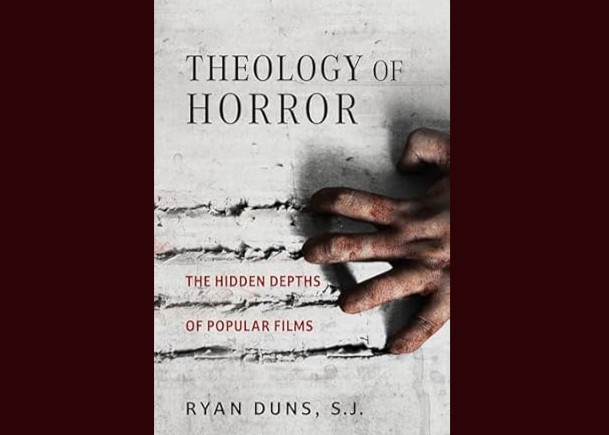
Love scary movies or debated what really goes bump in the night? What do these movies reveal about good, evil and fear? At first glance, horror and Christian theology may seem like an odd pair, but this course proves otherwise.
In Theology 3150: Theology of Horror, students explore depictions of good and evil in film, literature and society, reflecting on theological questions in a rather unorthodox and spooky way. Students can find themselves in the middle of centuries-old debates about morality, salvation and fear through the lens of pop culture. Whether you’re into jump scares or theological reflection, this course will haunt you in the best way possible.
No. 2: PSYC 3840: Psychology of Happiness

A well-rounded education prepares students to lead successful and happy lives — but what is happiness?
Drawing from the field of positive psychology, Psychology 3840: Psychology of Happiness examines the science of well-being to explore what really makes life meaningful and fulfilling. Topics can include love, humor, forgiveness, compassion and even the role neurology and genetics play in shaping happiness. Students learn not just how to prioritize their own happiness, but also how to create a happier world around them.
No. 3: POSC 2801 : Justice and Power

Who first asked the political questions we still wrestle with today?
In Political Science 2801: Justice and Power, students read foundational political texts by some of the most famous thinkers, including Plato, Aristotle and Machiavelli. Students study their ideas closely and bring them into dialogue with the modern world. For any student looking to debate, discuss and reflect on the structures that hold society together, this course offers a timeless and timely look at the history of political philosophy.
No. 4: ENGL 3301: Here Be Monsters

Werewolves, demons and dragons — oh my! You might know these creatures from fantasy films, but their roots run deep into medieval literature.
In English 3301: Here Be Monsters, students examine classical and medieval texts to understand how monsters have served as reflections of cultural fears, social norms and moral lessons throughout history. Through deep readings of texts like “Beowulf” or Dante’s “Inferno,” students uncover what monsters say about humanity. By the end of the semester, students will never look at a monster the same way again.
No. 5: CHEM 1080: Chemistry in the World

Ever wonder how energy is produced, food is processed, or how water becomes drinkable?
Designed for non-science majors, Chemistry 1080: Chemistry in the World explores the science behind everyday life. From pharmaceuticals to pollution, students appreciate how chemistry impacts global issues and individual choices alike. Students learn the relevance science plays in day-to-day life and will walk away with a greater scientific understanding of some of today’s most pressing issues.
No. 6: HIST 3165: History of Rock and Roll

Wish you were there when Dylan went electric, Queen stole the show at Live Aid or MTV changed music forever?
HIST 3165: History of Rock and Roll is more than just a trip through your favorite tunes. It’s a course that explores how music shaped and embodied the biggest political, social and economic movements of the past century. Whether you’re a die-hard metalhead or just curious about music’s influence on the world, this class helps you tune into history in a whole new way.
No. 7: CRLS 2110: Media and Violence

Are you obsessed with true crime podcasts, cop dramas or sensational news headlines?
Criminology and Law Studies 2110: Media and Violence investigates how crime and punishment are presented across various media platforms — and how those portrayals influence public opinion, policy and cultural norms. Exploring themes of justice, authority and media ethics, students will analyze and critique how violence is portrayed in movies, the news and more.
No. 8: PHIL 3370: Philosophy of Art

Does your dream afternoon involve wandering around an art museum and pondering the fine details?
Philosophy 3370: Philosophy of Art explores just what art is, why it matters and how it shapes our world. Utilizing Marquette’s own Haggerty Museum of Art, students can study everything art — from aesthetics and ethics to identity and perception. Students will leave with a new understanding of how art functions in society, and how it might shape the future.
No. 9: COSC 1820: Data, Ethics and Society

Questions about artificial intelligence, cybersecurity or surveillance? You’re not alone.
Computer Science 1820: Data, Ethics and Society introduces students to the ethical questions driving today’s tech landscape. No coding experience is required for this course as students tackle discussions on ethical hacking, privacy, algorithmic bias and AI regulation. Throughout the course, students gain the tools they need to think critically and creatively about how technology impacts everyone’s lives and how it may best be used in the future.
No. 10. ANTH 2501: Science, Myth and Fraud

Why do some people believe aliens built the pyramids?
In Anthropology 2501: Science, Myth and Fraud, students explore how pseudoscience and conspiracy theories take hold — and the real consequences they can have on society. From archaeological hoaxes to modern misinformation, this course builds students’ critical thinking skills to sharpen their understanding and appreciation of modern science and ethical inquiry.
These are just a handful of the exciting, enriching and sometimes unexpected courses that students can explore. They cross disciplines, challenge assumptions and prepare you not just for a career, but for a life of curiosity, purpose and impact.
A well-rounded education isn’t just about checking boxes — it’s about discovering new passions, challenging your perspective of the world and learning to ask the best questions.