
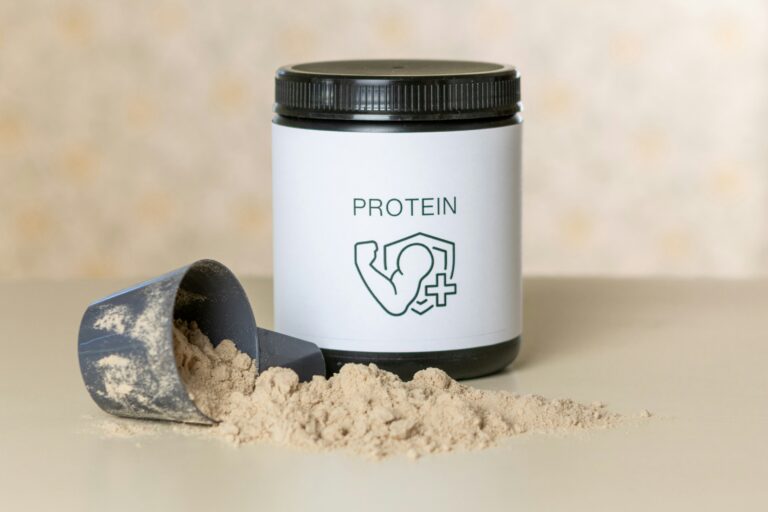
In our newly protein-obsessed society, how much protein is too much? There are protein shakes, protein powder, protein bars, protein infused yogurt, cereal with added protein — the list goes on. And what kinds of protein are best for our bodies? There’s whey protein, pea protein, animal protein, plant protein, etc. It’s hard to know how much we should be ingesting every day.

“This trend is not entirely misplaced,” says Dr. Julie Lavoie, adjunct professor in the College of Nursing and a registered dietitian. “Protein is an important macronutrient and helps with more than just muscle repair and growth. Protein helps regulate satiety, preserve lean body mass with aging, support immune function and maintain stable blood glucose levels.
“Amino acids — the building blocks of protein molecules — are essential for the production of enzymes, hormones and other critical compounds that support nearly every physiologic process, including digestion, metabolism, tissue repair and cellular function. Because protein slows gastric emptying and digestion, it also promotes prolonged fullness and helps prevent rapid spikes and crashes in blood sugar levels.”
Here in a Q&A, Lavoie, breaks down how protein benefits our bodies, how many grams are recommended daily, animal versus plant proteins and more.
Let’s talk about protein. It seems to be one of the biggest health and wellness trends in recent years. Besides being good for helping with muscle maintenance and growth, why do you think there’s such an obsession with daily protein intake?
Trends, like this one, change every decade or so, and it has a lot to do with social media, current marketing trends, valid science and what is popular in fad diets of the moment. In the 1980s and 1990s, there was a focus on consuming foods low in fat, and many products created at that time were fat free. Science has proven that is not what is best for our bodies. Each of the macronutrients plays a role in our overall nutrition. My students often hear me say, “Everything in moderation!”
Information comes at us faster than ever through our social media, putting health recommendations front and center on many of our daily feeds. Some of this has a scientific basis, but it can be sensationalized, so it is important to validate what you read. The general population also is becoming more health conscious and focused on wellness and preventative measures as they age; aging is no longer just about fighting chronic diseases with medication.

How many grams of protein does the average person need per day?
The recommendation for the average healthy adult is 0.8 to 1.0 grams per kilograms of body weight. This recommendation increases if the individual is an Olympic athlete, a burn victim or someone who requires additional protein for tissue repair.
There’s a lot of confusion about what kinds of protein are the best for our bodies — plant vs. meat, whey vs. whey protein isolate. Can you break down how these proteins differ and which one is the best way to support our bodies? If you’re lactose intolerant, is it okay to eat whey protein?
There is not one best protein for everyone. The important part is that there are nine essential amino acids that every human needs.
- Animal proteins (eggs, meats and dairy products) contain all nine of those essential amino acids naturally.
- Plant proteins (beans, lentils, legumes and grains) do not typically contain all nine essential amino acids individually, so they are often called incomplete — this only means they need to be complemented with another food. As long as you’re eating a wide variety of plant proteins throughout your day and getting all your essential amino acids.
- The exceptions to this are plant proteins that have all nine essential amino acids: quinoa, chia seeds, nuts and soy.
- There is no truth to animal proteins being better than plant proteins. An example of protein complementing would include beans and rice, whole grain pita and hummus, or whole grain bread with peanut butter. When consumed together, they provide all nine essential amino acids.
- Whey protein is a dairy protein that is easily absorbed, so it is often used as a supplement. And the only difference with whey protein isolate is that it’s more processed, and the fat and lactose have been removed during that processing.

For people who are on a GLP-1, protein intake is crucial to maintain muscle mass. Do you have any recommendations on the best ways to supplement protein and additional vitamins for people who are on a GLP-1 or even just trying to lose weight in general?
Weight loss in general is body mass loss, and muscle is part of that equation. GLP-1 medications do not inherently cause muscle loss, but like any weight loss diet, these drugs create the right conditions (lower appetite, lower intake) where loss of muscle mass is a risk. The best way to minimize these losses is to ensure you meet those protein goals, implement resistance training as part of your workouts, and do not drop weight too quickly. Aim for a pound or two of weight per week.
Muscle mass cannot be completely maintained in the face of significant, rapid weight loss, which is often the result of going on a GLP-1. The person is losing overall body mass, and with that, muscle, bone density and adipose tissue (fat).
Micronutrients matter too. During significant calorie reduction diets – or being on drugs that reduce hunger and slash your caloric intake exponentially, it is likely you’re missing some of your micronutrients. The best way to avoid this is to eat fresh fruits and vegetables throughout the day. Again, if you can maintain a healthy diet with a variety of fresh foods, a supplement should not be necessary. A great rule of thumb is to include a fruit and/or vegetable at every meal and snack throughout the day.
About the expert:
Dr. Julie Lavoie is an adjunct professor in the College of Nursing and a registered dietitian. She is also a nurse practitioner (CPNP-AC) and has a Ph.D. in nursing. She serves as director of the Enteral Feeding Program and the Disordered Eating Program at Children’s Wisconsin.