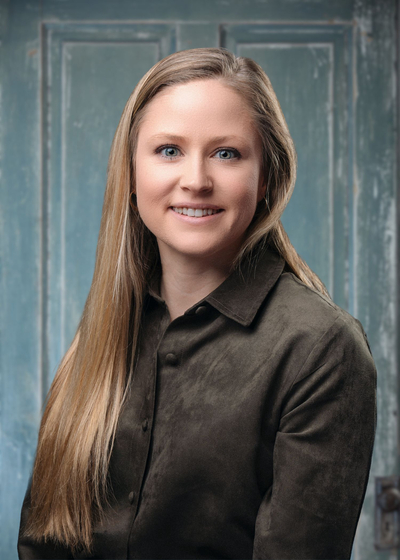
When Lauren Lanigan arrived at Marquette from Maine, she thought she might eventually become a veterinarian. She changed course, majored in public relations and began her career in nonprofit fundraising. Today, she is a partner and private wealth advisor with Socium Advisors, a Northwestern Mutual Private Client Group firm.
Her path was anything but predictable, and that is precisely the message she hopes current Marquette students will remember: You do not need to know today what you are going to do for the rest of your life.
In this Q&A, Lauren Lanigan reflects on her time at Marquette and shares practical ways students can become more confident about their finances, careers and futures.
Why did you choose Marquette?
I grew up in Maine and attended a Jesuit high school, where Jesuit higher education was strongly encouraged. When I started visiting colleges, I was convinced another school in Chicago would be my first choice. My mom, whose family is from Chicago, encouraged me to make the trip to Milwaukee and visit Marquette.
My cousin was a Marquette student at the time, so I later returned and spent a weekend with her. We went to a basketball game at the Bradley Center, and I remember thinking, “OK, I’m sold.” The school spirit was incredible, the students were welcoming and I could picture myself there. The financial aid Marquette offered also helped make attending possible for me.
What did you study, and how did your Marquette experience shape your career?
I entered Marquette thinking I might eventually go to veterinary school, but I realized quickly that biology was not the right fit for me. I ultimately majored in public relations and minored in economics and marketing. I was particularly drawn to economics and considered pursuing graduate school or a career in public policy.
Although I did not follow a traditional business path, my communication background has been incredibly valuable in financial planning. So much of my work involves listening, understanding how people think and explaining complicated topics in ways that feel clear and relevant to their lives.
Marquette also shaped what I wanted from my career. The Jesuit emphasis on caring for the whole person resonated with me. At first, I thought working for a nonprofit was the only way to build a purposeful career and make a meaningful difference. Financial planning showed me that I could have a significant impact on people’s lives while building a challenging and sustainable career for myself.
How did you find your way into financial planning?
Almost by accident.
After graduation, I worked for two nonprofit organizations. In one of those roles, I was responsible for calling local businesses to find sponsors for an event. I contacted a Northwestern Mutual office because I thought I was calling its corporate foundation.
Instead, I connected with a local managing director. I went into the office to discuss the sponsorship, and he asked whether I had ever met with a financial planner. I had not, but I eventually became a client, and we stayed in touch for several years.
During one of our reviews, I admitted that I was unhappy in my job. I knew I wanted work that would challenge me and allow me to use my skills in a meaningful way, but I did not know what that would look like. He asked whether I had ever considered doing what he did. Nearly a decade later, here I am.
What does financial confidence mean to you?
Financial confidence means understanding what is happening in your own financial life. It is having clarity about where you are, being able to communicate that to someone else and knowing what step you want to take next.
It does not mean you have made every decision perfectly or have everything figured out. It means you are willing to look honestly at your situation and take an active role in deciding where you go from here.
Why is that confidence especially important for college students?
Money will be part of students’ lives regardless of the careers they choose. They will make decisions about compensation, benefits, housing, credit, saving and debt. Developing a basic understanding of those areas can help students feel more prepared when they leave the classroom and begin navigating life after college.
Part of building confidence is also becoming comfortable talking about money. Finances have traditionally been treated as a private or even taboo subject in many families. When students talk openly with trusted people, they have more opportunities to ask questions, learn from others and make informed decisions. The more we bring money into everyday conversations, the less intimidating it becomes.
What financial challenges are college students facing?
The cost of education and student debt are significant concerns. Students may make borrowing decisions at 18 that affect them for years, often before they fully understand how interest, repayment terms or future income will influence their options.
It is important to understand not only how much you are borrowing, but also what repayment could realistically look like after graduation. Students should ask questions, understand the terms and think about how their anticipated income could affect their ability to repay what they borrow.
I also hear young adults worrying about whether they will ever be able to retire or what programs such as Social Security might look like in the future. It is good to think long term, but students should not overlook the financial needs that will arrive much sooner, such as building an emergency fund, managing student debt and preparing for unexpected expenses.
What practical steps can students take while they are still in college?
Start with a budget. For a college student, budgeting may not mean saving a large amount of money. It may simply mean knowing what is coming in, what is going out and whether your everyday expenses fit within the income you have available.
Students can also begin learning about saving, credit and the financial benefits available to them. At the same time, they should be thoughtful about where they get their information. Social media may introduce useful ideas, but not every influencer is qualified to give financial advice. Look for credible resources and ask questions when something is unclear.
Above all, remember that something is better than nothing. Even putting a small amount into an emergency fund can help establish a habit. Progress does not have to be dramatic to be meaningful.
What financial lesson do you wish you had learned earlier?
I wish I had understood more about establishing and managing credit. I did not get my first credit card until after graduation, so I did not have much of a credit history when I needed to rent my first apartment. My mom had to co-sign my lease.
Credit can be useful, but it must be managed responsibly. Understanding how a credit card works, what kinds of purchases to put on it and why paying bills on time matters can help students establish the credit history they may later need to rent an apartment, finance a car or reach other milestones.
How else can students prepare for life after Marquette?
Start building relationships before you need them. When a guest speaker comes to class, connect with that person on LinkedIn. Ask someone whose career interests you to have coffee. Attend events and introduce yourself, even when doing so feels uncomfortable.
Every early opportunity in my career came through a relationship. A connection might not lead directly to the career you eventually choose, but it can introduce you to possibilities you did not know existed.
Students should also be open to internships and experiences that do not perfectly match what they think they want to do. I completed a public relations internship during my senior year, and it helped me recognize that traditional PR was not the path I wanted to pursue. An earlier nonprofit internship showed me how much I valued building relationships and making a meaningful impact in the community.
Both experiences taught me something important about myself. Sometimes an internship is valuable because it confirms what you want to do. Other times, it helps you understand what you do not want, and that is valuable, too.
If every Marquette student read this Q&A, what is the one message you would want them to remember?
You do not have to know today what you are going to do for the rest of your career.
I was a public relations major who did not attend the business school, and I eventually became a financial planner. There are so many ways to reinvent yourself. Do not box yourself into a particular future because it seems like the expected path or because you think it is what someone else wants for you.
Take opportunities. Build relationships. Pay attention to what energizes you and gives you a sense of purpose. There are many ways to create a meaningful career, and sometimes the opportunity that changes your direction is the one you never planned for.