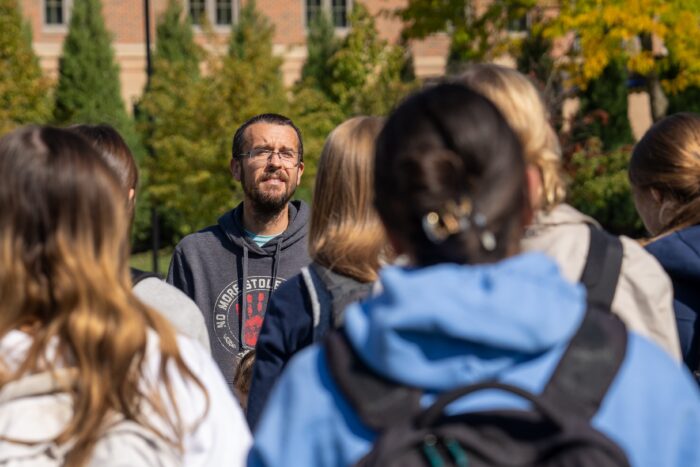

Dr. Michael Wert, associate professor and department chair of history, is a bit of a celebrity among historians. He’s had roles in popular Netflix documentaries, been interviewed for various radio programs, and even consulted for TV shows and movies. But Wert isn’t just a voice for the past — when he teaches, he’s equally concerned about helping students’ futures.
Wert specializes in East Asian history, specifically focusing on early modern and modern Japan. One of his most popular courses is right in his area of specialty: History 4525 – Age of the Samurai. Between this course and others, Wert makes it his mission to guide students to not just look at history as a study of the past, but an understanding of the present and a plan for the future.
When looking at the study of history, Wert offers pieces of wisdom — advice that inspires educators and students to continue to study history.
No. 1: Ask what did – and didn’t – happen
“We’re not just studying how we got to the present- we’re studying all the possibilities that didn’t exist.”
When studying the past, Wert emphasizes the importance of examining both what happened and what didn’t happen. While simplified historical narratives often follow clear timelines, focusing only on what occurred can oversimplify the nuances of the past. By exploring what didn’t happen — missed opportunities, suppressed voices, and alternate paths — students gain a deeper understanding that history isn’t a straight line.
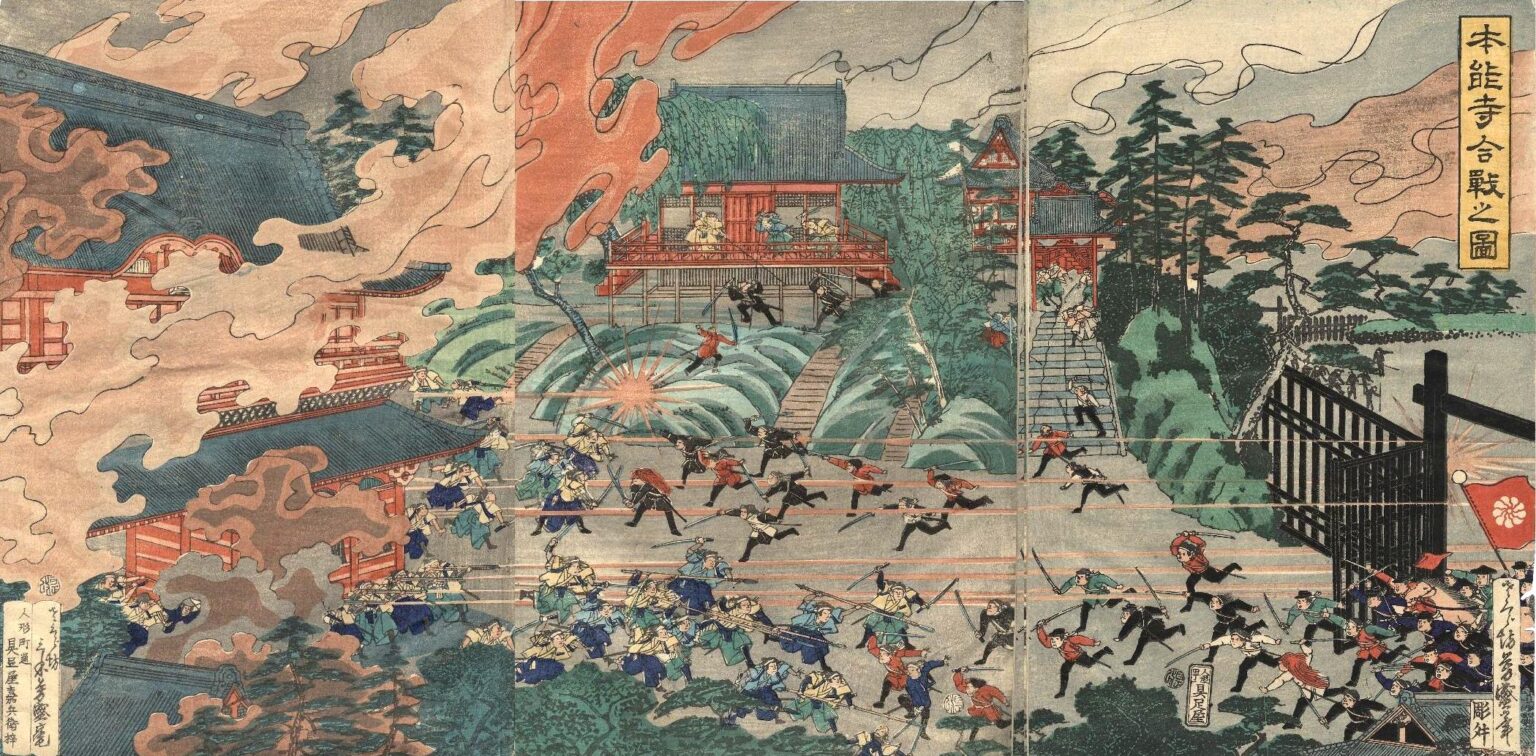
Take the samurai, for example. Popular media often depicts them as manly stoic warriors, clad in heavy armor and wielding katanas. This image only tells part of the story. To start, samurai armor varied greatly by era and region, and oftentimes they would wear lighter plain clothes for greater mobility in combat. Katanas, too, were not always the primary weapons that samurai used. Bows and spears were just as common, but katanas became a status symbol during peaceful times. Even more overlooked is the role of onna-musha, the female warriors of pre-modern Japan who held similar status to samurai. These stories are rarely told in pop culture, despite their integral role in shaping Japan’s past.
No. 2: Acknowledge what is happening
“The first two weeks of any history course will encourage students to open themselves to new ways of thinking.”
Some of the most transformative moments in Wert’s classes happen at the very beginning, as students begin to question their assumptions. One of the foundational tools of historical thinking is understanding that categories — like class, gender, power and even identity — are not fixed. They evolve over time and take different forms depending on cultural contexts.
In the case of the samurai, understanding how their role changed is key to interpreting Japanese history. While they are often remembered as fierce warriors, samurai served as bureaucrats, scholars and cultural figures during times of peace. Identities and categories are shaped by the needs and values of a time period, revealing that roles in society can shift with an ever-changing political climate.
No. 3: Plan for the future
“At its best, history education, research and writing uses the past to say something that is relevant in the present and opens possibilities into the future.”
History isn’t just about understanding the past — it’s about using the past to make informed, ethical decisions for the future. Wert believes that students who want to make a difference in the world must understand the historical conditions that brought them to this point. Only then can they move forward with intentionality and care.
This forward-thinking approach is especially relevant in how we interpret cultural representations of the past. Samurai are found in all forms of popular media, but Wert encourages students to ask, “How accurate are these portrayals really?” Wert has previously consulted for TV shows and documentaries and understands that good representation of the past is the only way to make change in the future. Students can learn from Wert’s experience to become more thoughtful and aware of what they think of and give back to the world.
“In my reading, research, and especially teaching, I’m inspired by discoveries that introduce a new way of thinking that I had never even considered before,” Wert says. “And I love most when I can impart that to students.”
Ultimately, Wert wants all students — not just history majors — to understand that historical thinking is an incredibly valuable skill in any discipline. Whether you’re pursuing science, business or education, the ability to analyze systems, question assumptions and thoughtfully plan for the future is essential. History, as Wert argues, teaches us how to be both critical and compassionate thinkers — skills that benefit everyone.
Interested in learning more? Click here to explore upcoming history course offerings.