
When people think of heart disease, they often think of acquired heart disease — conditions that develop after birth, such as coronary artery disease or cardiomyopathies. While these conditions contribute significantly to morbidity and mortality in the United States, there is another type of heart disease that receives far less awareness and affects our youngest patients: congenital heart disease (CHD).
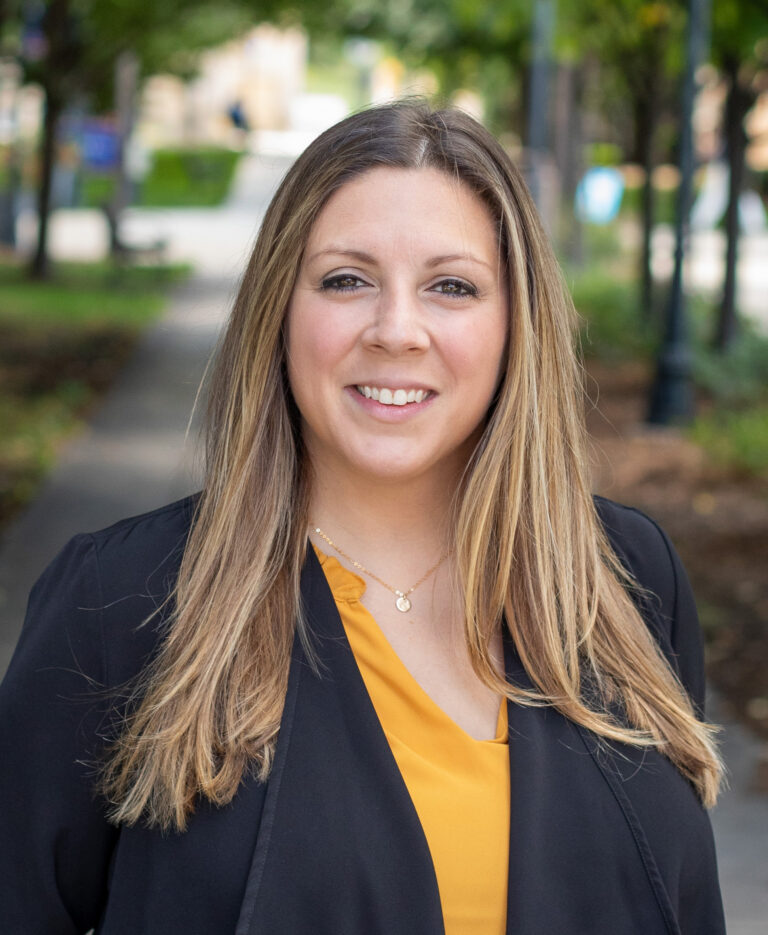
Congenital heart disease touched my life in 2017 when my son, Theo, was diagnosed at my 20-week ultrasound. I was told his defect was complex and severe, requiring open-heart surgery shortly after birth. Theo fought bravely for six months before we made the heartbreaking decision to withdraw care.
In the wake of this loss, I poured my love for Theo and my grief into raising awareness for congenital heart disease and supporting lifesaving research through Project Bubaloo. Since our inception, we have raised more than $1,000,000 toward our mission, honoring Theo every day through the work we do.
Below are the top 10 things you should know about CHD:
- Congenital means “born with.”
Children with congenital heart disease have structural heart defects present at birth. These can range from small holes in the heart to complex conditions involving multiple heart structures.
- CHD affects 1 in 100 children.
In the United States, this equals roughly 40,000 children each year — about one child every 15 minutes. CHD is the most common birth defect, and it is very likely you know someone living with it.
- Screening often begins during pregnancy.
Many congenital heart defects are detected during the 20-week anatomy ultrasound. When CHD is suspected, the remainder of the pregnancy requires specialized care. Some families must plan to deliver at hospitals equipped to provide advanced cardiac care after birth.
- Signs and symptoms in infants are numerous.
Poor growth and development, abnormal heart sounds (such as murmurs), skin discoloration, rapid breathing and excessive sweating are all potential signs of CHD. Screening for critical congenital heart disease using pulse oximetry became mandatory in Wisconsin in July 2014.
- One in four children with CHD will need open-heart surgery in their first year of life.
Hospital stays may range from days to months, or even years. Surgery is not always curative, and many children require multiple procedures over time.
- CHD is the leading cause of infant mortality due to birth defects.
Approximately 25 percent of children born with complex congenital heart defects do not survive to their first birthday.
- Survival rates have improved dramatically.
Prior to the early 1990s, only 67% of children with complex defects survived their first year. Today, due to advances in care, around 70% live to see their 18th birthday. As a result, there are now more adults living with CHD than children.
- Children with CHD often have additional health care needs.
These may include therapies for speech delays, developmental challenges and behavioral or learning differences.
- The financial impact is significant.
Congenital heart defects cost the United States nearly $10 billion annually. Families often face high out-of-pocket expenses, caregiving demands and endure reduced work hours to support their child.
- February 7–14 is CHD Awareness Week.
Wear red for our heart heroes and visit Project Bubaloo at www.projectbubaloo.org to learn how you can give back and help advance the quality of care for those affected by congenital heart disease.
MORE LINKS:
Wisconsin Department of Health Services
Childrens Heart Foundation
Centers for Disease Control