
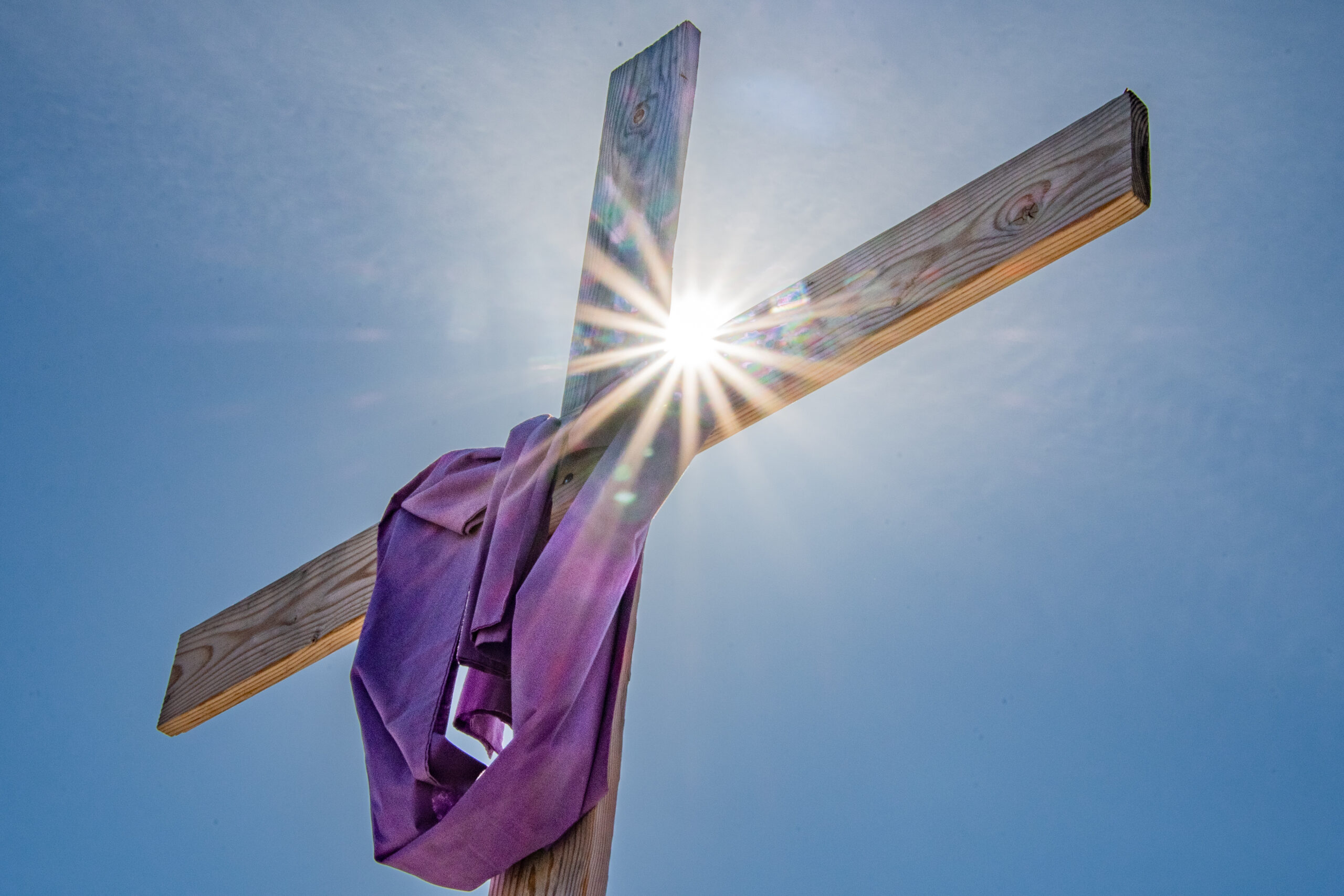
Lent is a time to practice prayer, fasting and acts of charity. Let’s take a closer look at fasting. What is the Catholic scriptural idea of fasting? Here’s what God says about it in Isaiah (58:5-7).
So often, Christians think about giving up things for the 40 days of Lent. Some people give up chocolate, coffee or candy. In Isaiah’s time, they wore sackcloth and covered themselves in ashes.
God was not happy with this form of fasting, so He instructed them that what He wanted was for the people to release “those bound unjustly… setting free the oppressed… sharing your bread with the hungry, sheltering the oppressed and the homeless; Clothing the naked… and not turning your back on your own.”
We have a lot of work to do to free those “bound unjustly,” especially when we are the ones doing the binding. Instead of freeing the oppressed, we are purposefully putting people in concentration camps and foreign prisons. The world has enough wealth that no one should go without food, clothing, or safe housing — unaffordable housing exists because of selfishness, racism, low wages, and property owners’ greed.
Then there’s “not turning your back on your own.” In another place, Jesus identifies “your own” as your “neighbor.” He was asked, “Who is my neighbor?” Jesus said that your own, your neighbor, is every relative, friend, coworker, man, woman, or child on the planet. That means migrants, refugees, and immigrants, too. Anyone you might label as the “other” is your own. Anyone you might label as less than you is your neighbor: your brother or sister in Christ.
Are you looking for a deeper experience of Lent this year? Try fasting with what God told Isaiah, especially the “not turning your back on your own” part.