
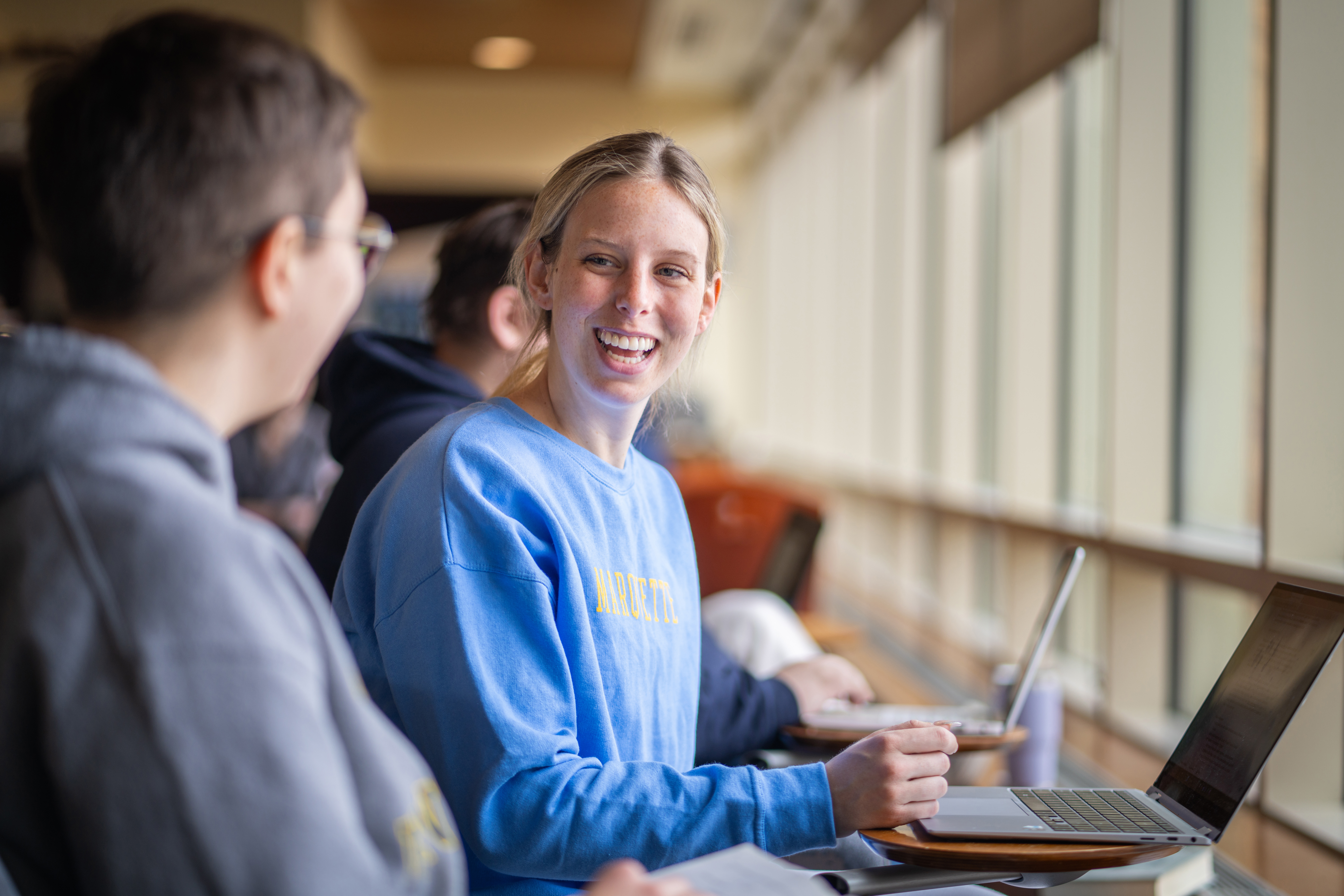
Starting college is a nerve-wracking time. All the new buildings, new people and new expectations can be challenging for even the most confident students to navigate. While Marquette University offers a wide range of resources to support student success, finding and navigating them independently can be intimidating – especially during the first weeks on campus.
For students in the Klingler College of Arts and Sciences, a one-credit first-year course offers a built-in support system. Arts & Sciences Colloquium (ARSC) 1953: Exploring Arts & Sciences introduces students to campus resources, academic opportunities and one another.
Through weekly meetings, students are guided by mentors, staff and peers as they learn how to navigate campus and feel at home at Marquette. Guest speakers and experiential programming give students firsthand exposure to the people and offices designed to support them.
Kalyn Gackowski, Arts and Sciences student success coordinator, has helped build this course to be as impactful as possible so that students make the most out of their first months on campus.
“We want students to be successful at Marquette. To be successful, students need to build community, get connected to campus resources, explore their educational options; exactly what this course is designed to do. The small class size makes it easy to connect with peers,” says Gackowski. “It reminds us that at the start of college, we’re all in the same boat, and we’re all here to support one another.”
Throughout the fall semester, students in ARSC 1953 explored campus through the lens of these intentional connections.
O-Fest
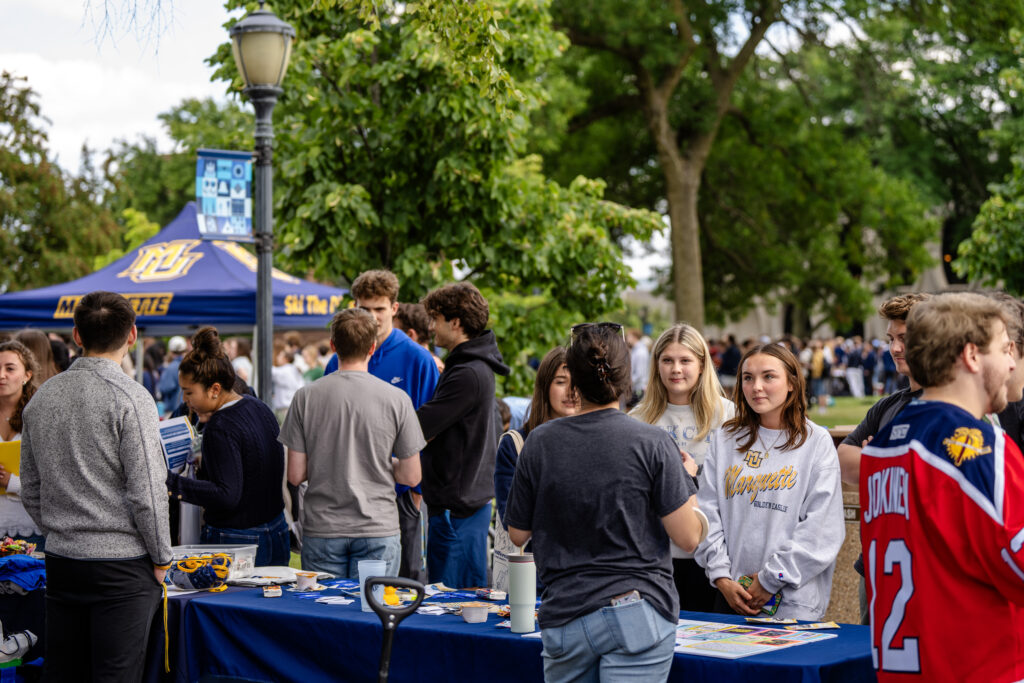
In the second week of the fall semester, ARSC 1953 students are assigned to attend one Marquette’s most anticipated events of the year: O-Fest (Organization Fest). During O-Fest, student organizations and campus departments pack the Central Mall between Lalumiere Hall and the Raynor Library to recruit new members and spread awareness for their organization.
Almost every club imaginable exists at Marquette University, and attending O-Fest provides a unique opportunity for first-year students to find communities that resonate with them and meet peers who share similar values. Campus offices and departments also set up tables, allowing students to learn more about campus initiatives, opportunities, athletics and resources.
Wellness + Helfaer Recreation Facility
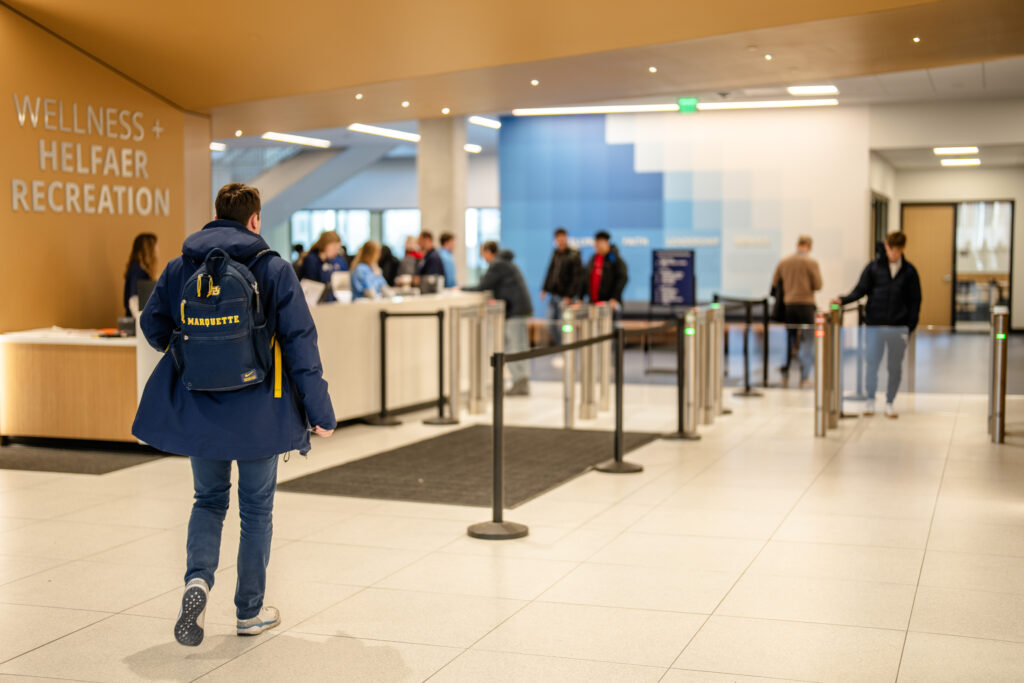
The week before midterm break, students are introduced to the Wellness + Helfaer Recreation facility, one of the newest buildings on campus. The facility offers state-of-the-art health and wellness resources, including the medical clinic, counseling services, and drug and alcohol recovery services.
“The new building is amazing and is really helping students put their own wellness first,” Gackowski says. “A facilitated tour like this is can be the first step to let students know that these resources were built just for them.”
Lemonis Center for Student Success
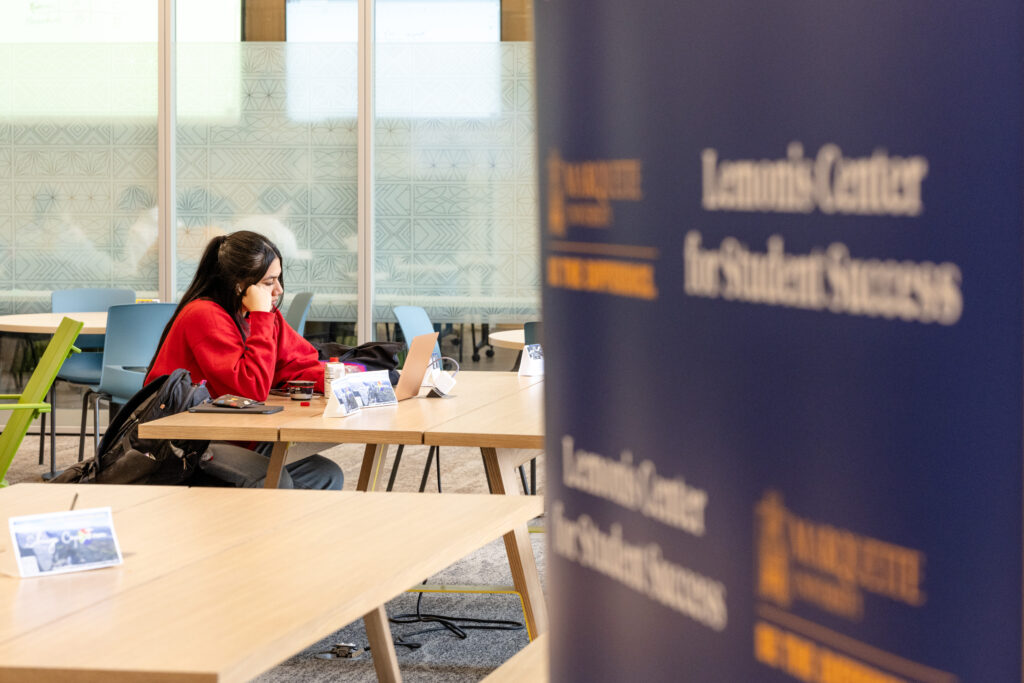
After returning from midterm break, the first-year students visit the Lemonis Center for Student Success, where they learn about the services available to plan their academic and professional futures. Through the Academic Resource Center and the Career Center, students receive guidance on studying, test-taking and time management, as well as personalized career counseling.
Over the course of the next three weeks, students spend time in class learning college-specific study techniques, test-taking and time management skills, along with being connected to a career counselor to get personalized advice to plan for future career paths. Whether it’s free tutoring help, decisions about grad school or building a resume for that first summer internship, direct introduction to these centers prepares students to lead successful lives that lead to meaningful careers and a purposeful life.
Applied Learning Fair
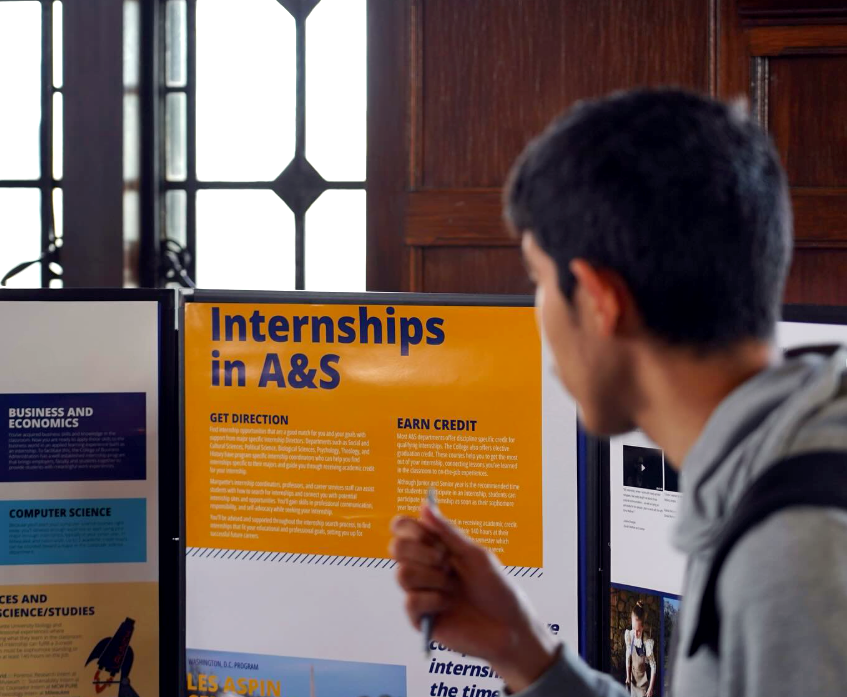
In week 12, ARSC 1953 students attend the Applied Learning Fair to learn about the undergraduate opportunities that extend learning beyond the classroom. Representatives from applied learning partners such as the Office of International Education, the Les Aspin Center and the Center for Peacemaking connect students with options to new learning opportunities such as study abroad trips, internships or research programs.
As students plan future semesters, the fair provides both contacts and clarity, empowering them to pursue unique pathways throughout their time at Marquette.
Norman H. Ott Memorial Writing Center
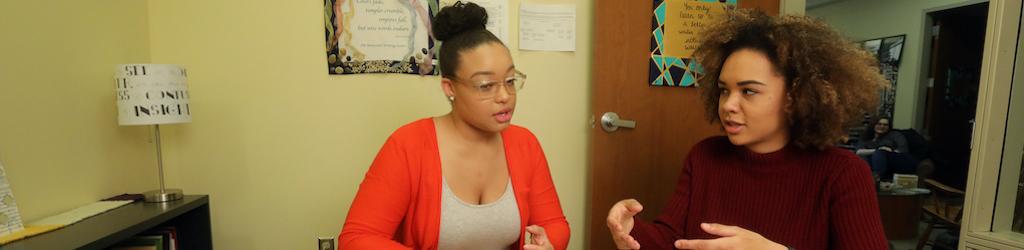
In the final weeks of the semester, students in ARSC 1953 get a hands-on workshop with peer tutors at the Norman H. Ott Memorial Writing Center (“The Ott”). At the Ott, peer tutors help students of all writing levels carefully plan, develop and improve all kinds of writing. Whether it’s a graduate school application, a personal statement or the first mid-term essay, the Ott is always there for student writers.
Ott peer tutors guide students through a reflective workshop and essay centered in the Jesuit Examen. Taking the time to pause and consider where their first semester took them, first-year students are able to see how far they have come since those nerve-wracking first days on campus.
Through these shared experiences, first-year students begin to find places on campus they can call home. By learning how to engage with the broader Marquette community, they gain confidence, clarity and a foundation for success throughout their college years.
“My best piece of advice to incoming students,” Gackowski says, “is to always allow yourself time to explore. There is always a benefit to exploration.”