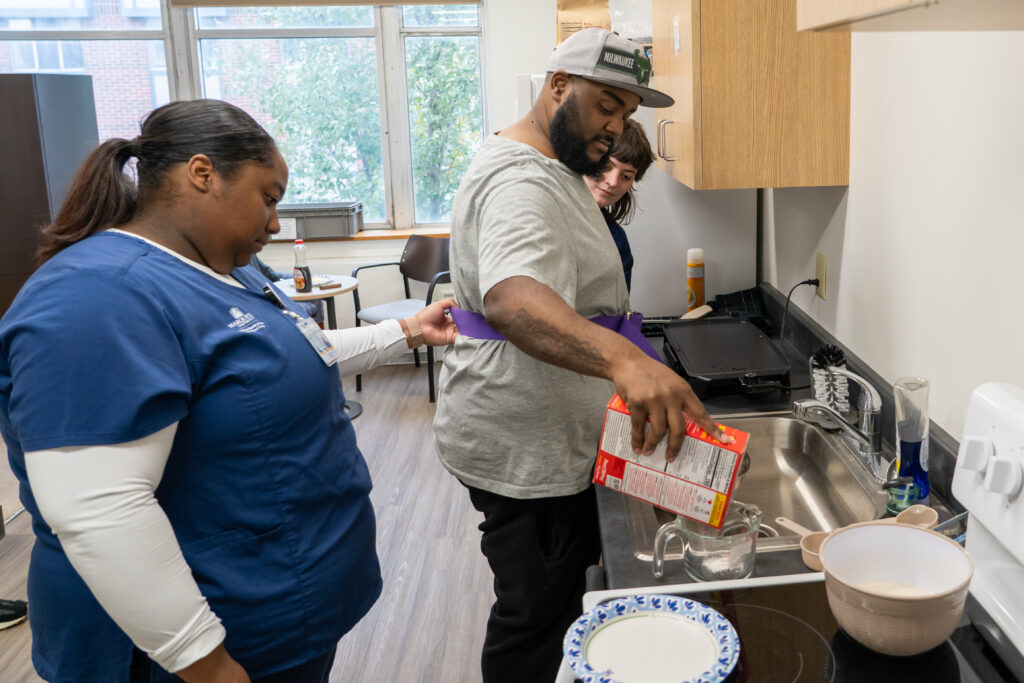
On a chilly fall afternoon, occupational therapy doctorate student Parker Thompson is helping a client make a stack of pancakes in a mock apartment inside the 1700 Building on Wells Street.
She’s holding the client’s gait belt to help them maintain their balance, watching every movement with a careful eye. The client goes through all the steps: mixing pancake batter, placing dollops on a skillet, flipping the flapjacks once they’re golden brown and finally using a fork and knife to eat them.
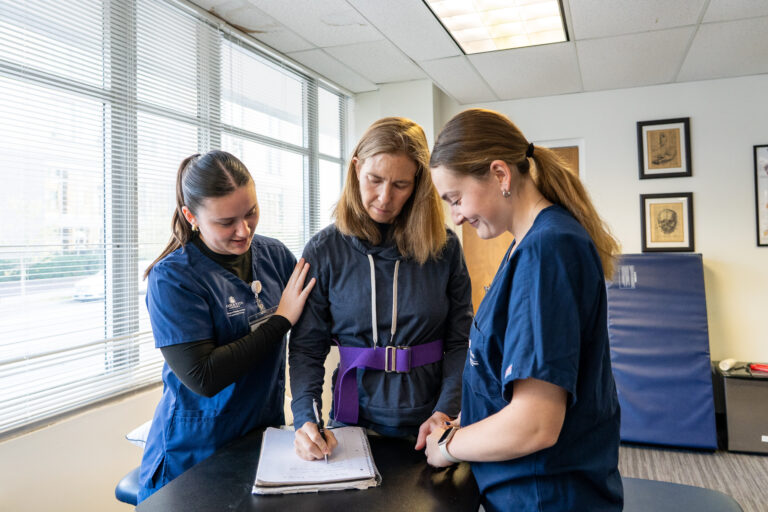
Thompson’s holistic, individualized approach is part of the new student-led free clinic in the department which supports community members who have exhausted their occupational therapy insurance but still stand to make meaningful progress.
“Working with my clients throughout their time here and witnessing the progress they’ve made has been rewarding,” Thompson says. “It’s inspiring to see how our interventions help clients build independence and confidence in their daily lives.”
The idea of a student-led free clinic has bounced around the department for a while, with the goal of providing care to clients in the local community. But it really got into gear this past summer with the help of students Kennedy Lake and Mackenzie Weinberger, who focused on the clinic for their doctoral capstone projects.
The 17th Street and Wells Street location is ideal, with a bus stop at the intersection and convenient access for traveling clients.
“Just yesterday I bought a bunch of bus passes for our students because one of the ways they help clients regain their independence is by helping them utilize the bus system and navigate across Milwaukee,” says Clinical Fieldwork Coordinator Kelly Osowski.
Faculty member Dr. Brian Zamzow says the clinic, launched last spring, has been enormously beneficial for students.
“I had a student come to me and say, ‘I have a real-life case study in front of me,’” Zamzow says. “It’s cool to see students treating these clients and directly applying things they learned in the classroom.”
The connection between the students’ didactic work and the client’s progress isn’t coincidental. Osowski says students are benefiting from the hands-on experience the clinic provides by treating diagnoses they learned about in class.
“When I’m observing our OT students in the clinic, I remind them of the interventions they learned in class that week, and you can virtually see the lightbulb turn on,” Osowski says. “It’s the best way to learn because the concepts are fresh in their minds and they learn how to make it functional right away.”
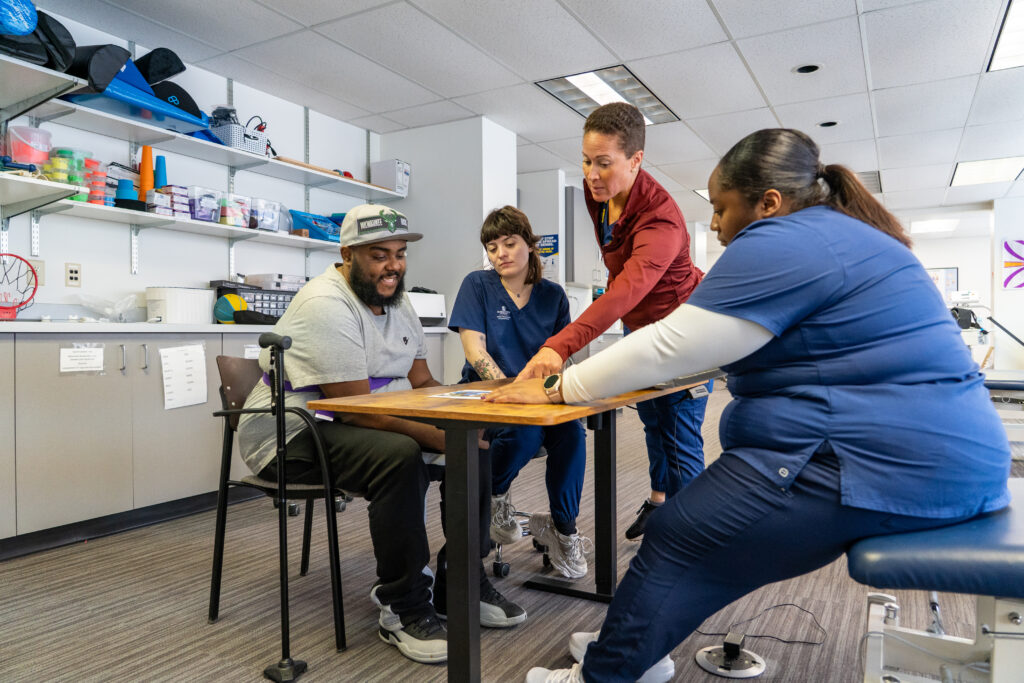
The clinic also gives students the chance to work through two of the biggest challenges they face in the workplace: feedback and intervention planning.
“It’s happened so many times already where I recommend utilizing a treatment technique one week, and I see them independently utilizing that treatment technique the following week,” Osowski says. “The students keep blowing me away with how fast they’re able to adapt.”
In addition to implementing interventions, students must communicate effectively with one another when handing clients off to their classmates.
Osowski says as part of their work in the clinic, students must complete situation, background, assessment, and recommendation updates, also known as SBARs.
“I think the student-led piece of this clinic is a rare experience they get to be a part of and a huge draw for us as a program,” Osowski says. “It gives them some charge and ownership over the clinic that will prepare them for their daily work.”
Maia Geniesse, a doctorate student in occupational therapy, says everyone benefits as the clinic grows and opportunities for students expand.
“We’ll be treating a more diverse population which allows students to strengthen their skills across a multitude of therapies,” Geniesse says. “Even in the short time the clinic has been operating, I’ve already improved my adaptability, clinical reasoning and communication skills which sets me up for the future.”
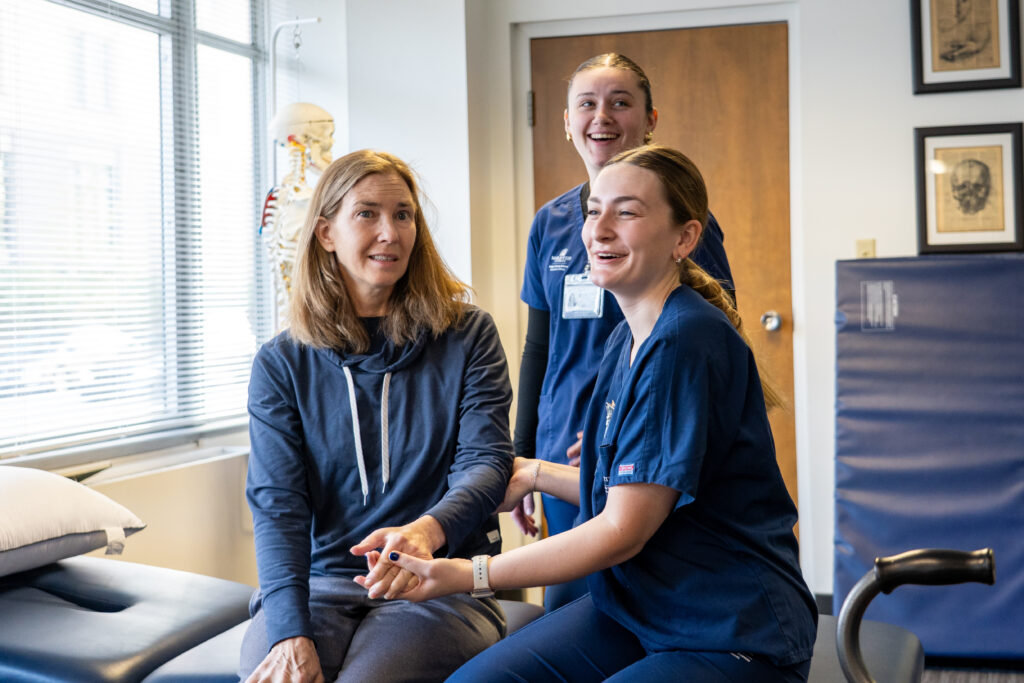
Zamzow says the skills Geniesse has honed translate perfectly into the workplace. He added that feedback from the program’s community fieldwork educators provides a quality measure of the clinic’s value, and that value is exemplified in the students’ 100% pass rate on level two fieldwork in recent years.
“They’ll be managing real clients with increasing independence during these rotations, and they’ll be ready for that challenge,” Zamzow says. “We’re confident they’ll demonstrate the skills that make a strong impression on their clinical instructors.”