One of the most important groups in our health care system are not health care workers at all. They are not nurses, doctors or therapists. They have never studied any kind of medicine and have attained no degree. Most of them never anticipated carrying any kind of care burden, but do so proudly nonetheless.
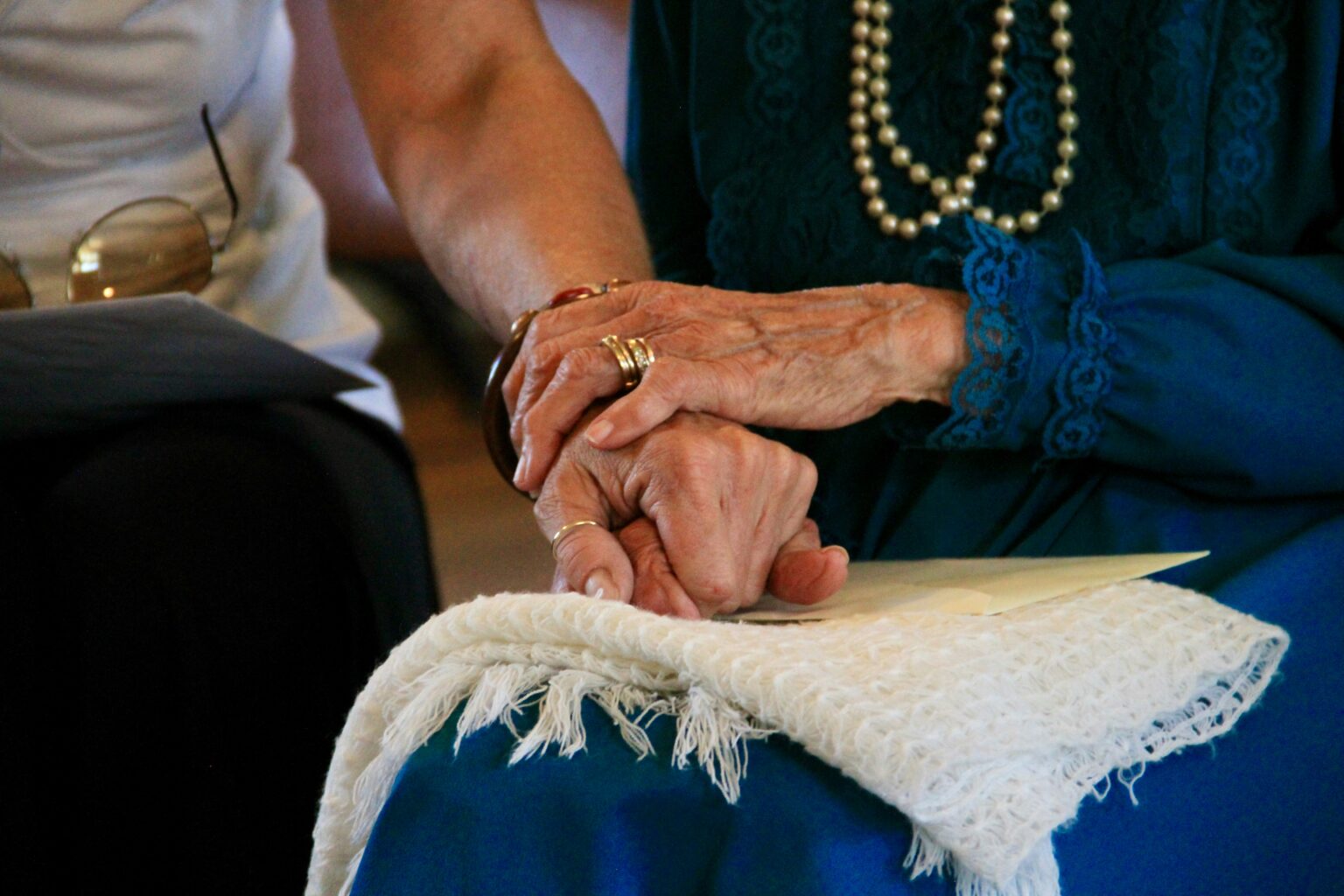
I’m describing caregivers. These are the unsung heroes of our health care system; the parents, sons, daughters, brothers, sisters and family friends who selflessly care for loved ones who have no other recourse. AARP’s most recent measurement of the value of all unpaid caregiving in America found that it added up to roughly $600 billion. This is vastly more than the combined value of all paid home care. Approximately 63 million Americans are caregivers, which equates to nearly 25 percent of all American adults. That figure is expected to rise drastically in the coming decades.
These numbers point to one inescapable truth: our health care system would utterly collapse without the unpaid labor of caregivers.
During National Caregivers Month in November, we must not forget that we owe these people a great debt, one that our institutions have unfortunately not even begun to pay. Caregivers are too often burnt out from their constant obligations, with very few resources devoted to looking after their physical, financial or mental well-being. These are the foundations of our caregiving crisis, wherein millions of people put their lives on hold to care for a loved one, only to find nobody caring for them.
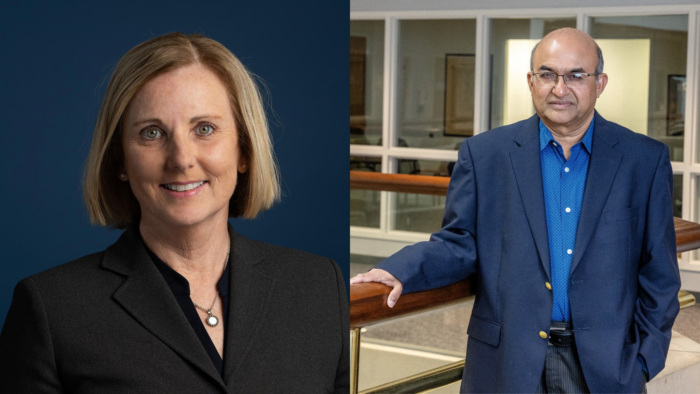
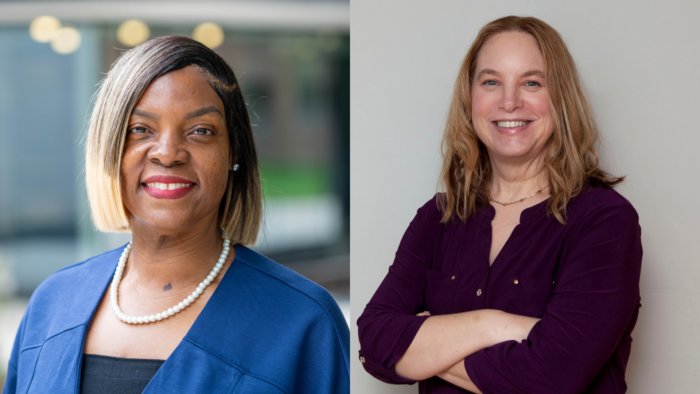
The research-active faculty of Marquette Nursing have made this issue a priority. Dr. Norah Johnson, the director of our Pediatric Primary Care Nurse Practitioner program, centers caregivers of children with autism spectrum disorders in her research, even developing a care management app. Dr. Abir Bekhet has made resilience a focus of her research papers, examining how tools for positive thinking can help caregivers better fulfill their responsibilities. I have made caregiver respite a priority in my research as well, with a particular emphasis on care for special needs children.
Our research reflects Marquette Nursing’s Catholic, Jesuit mission to practice Cura Personalis, or care for the whole person. To me, that issue goes beyond addressing every aspect of an individual person’s health, although that is certainly important. It also means caring for every member of society, not just those who are patients in hospitals. That includes parents of special needs children, the middle-aged man caring for both a daughter and an aging father, and the longtime friend who assumes care responsibility because there’s nobody else to do it. Our mission includes looking after their health just as surely as it does looking after the people in their care.
Former First Lady Rosalynn Carter said it best when she opined that there are four kinds of people in the world: those who have been caregivers, those who currently are, those who will be and those who will need one. Oftentimes, people will belong to more than one of those categories simultaneously. This issue is virtually guaranteed to impact you, the reader of this article, someday, if it hasn’t already.
I urge you to think about the caregivers in your life and how you might support them. Could you offer kind words? A fresh meal? How about taking over their duties for a day or two so they can have a break? There is no offer of support too small to be meaningful. If we all lift each other up, we may live to see a day where caregivers have all the support they need to live whole, fulfilling lives.
If you would like to learn more about support for Wisconsin caregivers, click here.