Visualize a college-level honors program and you’d likely expect to find former high school valedictorians with perfect ACT scores. Marquette’s University Honors Program boasts these kinds of high-achieving students, for sure, but it’s also open to motivated learners seeking rigorous learning opportunities and community with other highly engaged students, regardless of pristine academic résumés.
This approach works. The University Honors Program has tripled in size in 10 years to more than 1,000 students in 2024, about 13 percent of the student body, which better aligns Marquette with peer institutions. Dr. Amelia Zurcher, director of the program, believes providing interdisciplinary course work, experiential learning and community-building opportunities — the program’s three pillars — to curious, eager-to-learn students is key.
“Honors should be a place where we’re innovating and creating opportunity for everybody.”
Dr. Amelia Zurcher
That’s why, rather than simply relying on grade points and test scores, the program invites first-year applicants to submit materials demonstrating their engagement with the Honors core values or to interview with a current Honors student to consider fit.
The accessibility of Marquette’s only all-college academic program doesn’t end there. High-level Honors for All courses fill up with learners who aren’t in Honors but desire a challenging course on their transcripts. “Honors should be a place where we’re innovating and creating opportunity for everybody,” Zurcher says. “There’s so many different kinds of achievement, and the world needs all those different kinds.”
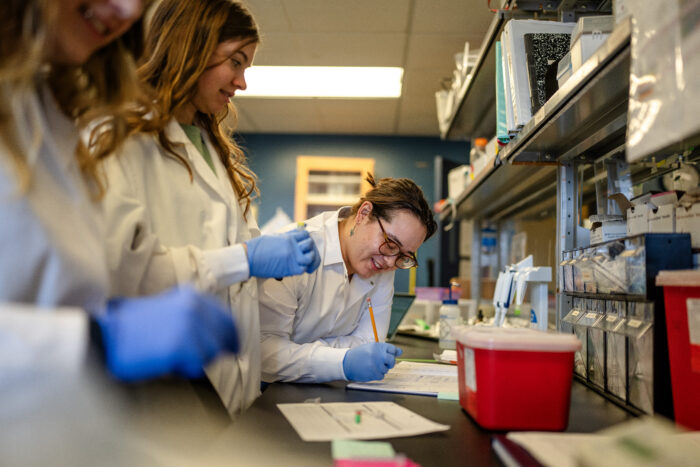
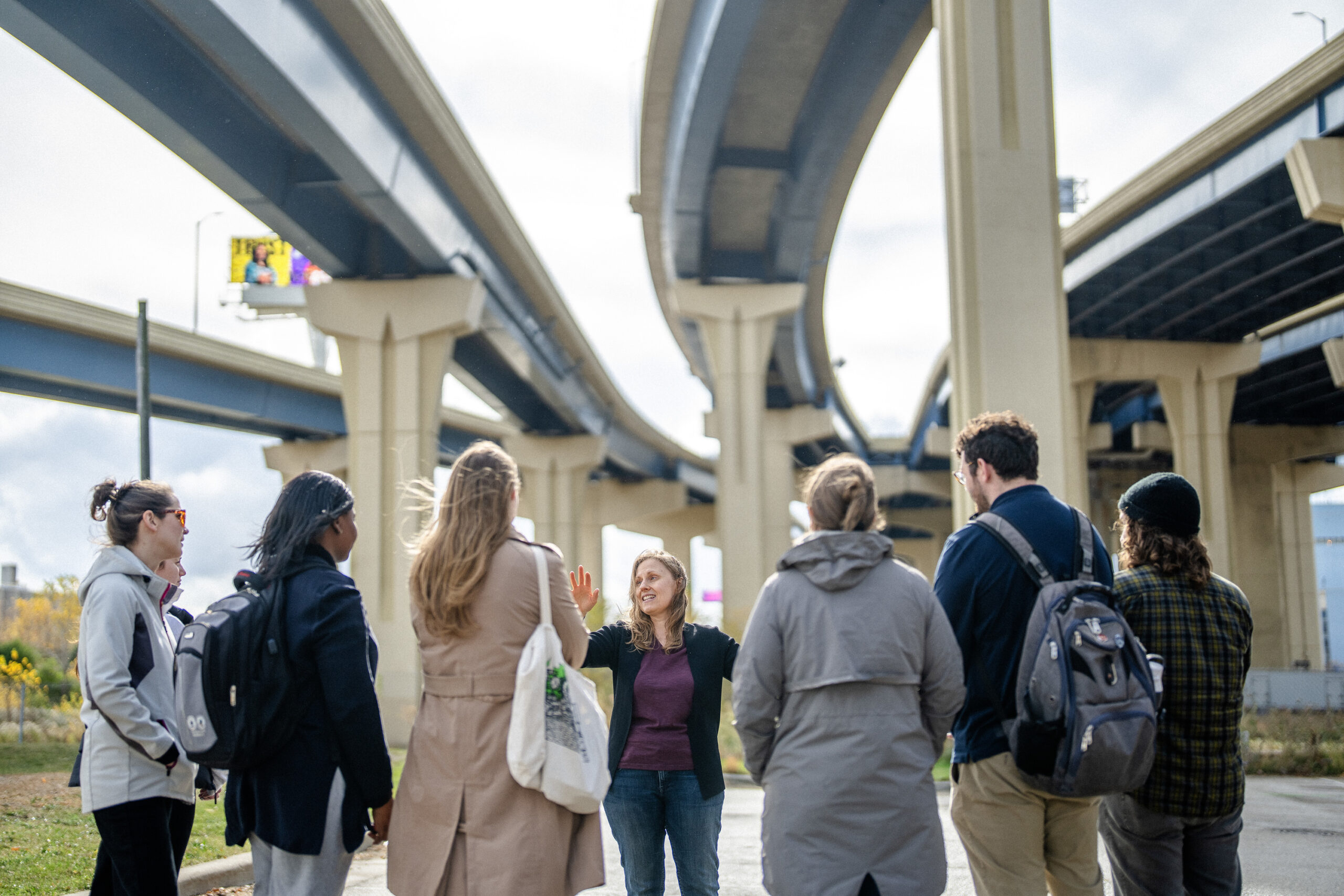
Small-sized classes that take deep dives into stimulating subjects are the hallmark of the Honors curriculum, as are experiential learning activities like Milwaukee-area excursions, research projects, even moviemaking. Zurcher also attributes the program’s success to an Honors community that is building from the beginning.
From a Living Learning Community in Straz Tower that 70 percent of the program’s freshmen live in to a robust peer-mentor program that pairs experienced honors students with first years, connections are made early. Zurcher adds, “When we ask students, ‘What does honors mean to you?’ they very often say, ‘our community.’”