
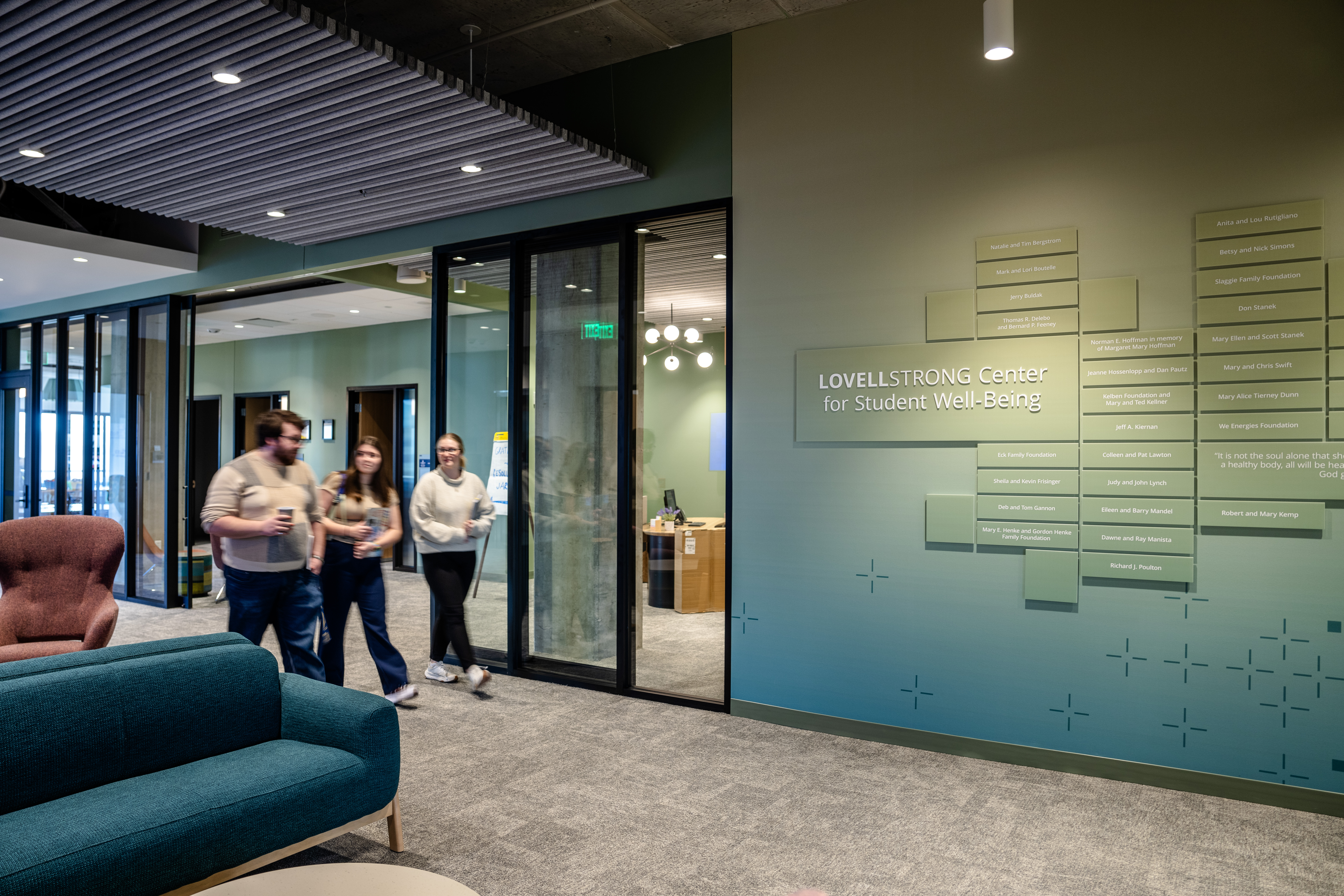
Starting college is exciting, but it can also feel overwhelming. From adjusting to new academic demands and forming friendships to living away from home for the first time, the transition to college comes with challenges that can take a toll on mental health. Marquette’s Counseling Center supports students through these changes, now in a new location inside the Wellness and Helfaer Recreation facility.

The Counseling Center is designed to meet the diverse needs of Marquette students by offering confidential counseling, consultation and crisis services in a space that promotes well-being and connection. For first-year students especially, the center provides a welcoming place to talk through stress, build resilience and find guidance during one of life’s biggest transitions.
In a conversation with Marquette Today, Dr. Jodi Blahnik, licensed psychologist and assistant director of the Counseling Center, spoke about her role in supporting students’ transition to college and the resources available to them through the center.
What types of support does the Counseling Center offer for Marquette students?
The Counseling Center is here to support the mental health and well-being of our students. We offer a range of services including individual counseling, group counseling and limited psychiatric care.
For mental health emergencies, crisis services are available 24/7.
- During regular business hours (Monday–Friday, 8 a.m.–4:30 p.m.) you can call or walk in.
- After hours, call 414-288-7172 and select option 2 to speak directly with a mental health professional.
Explain how the new location of the Counseling Center within the Wellness and Helfaer Recreation facility is beneficial to students. How is it helping reduce the stigma of using mental health services?
Having the Counseling Center located within the Wellness and Recreation Center reinforces the message that mental health is an essential part of overall well-being — just like physical health and fitness. This location also increases visibility and accessibility as it is in a high-traffic area, making it easier for students to discover and access mental health services. There is also an aspect of convenience as students can combine visits for medical care, physical activity and mental health support.
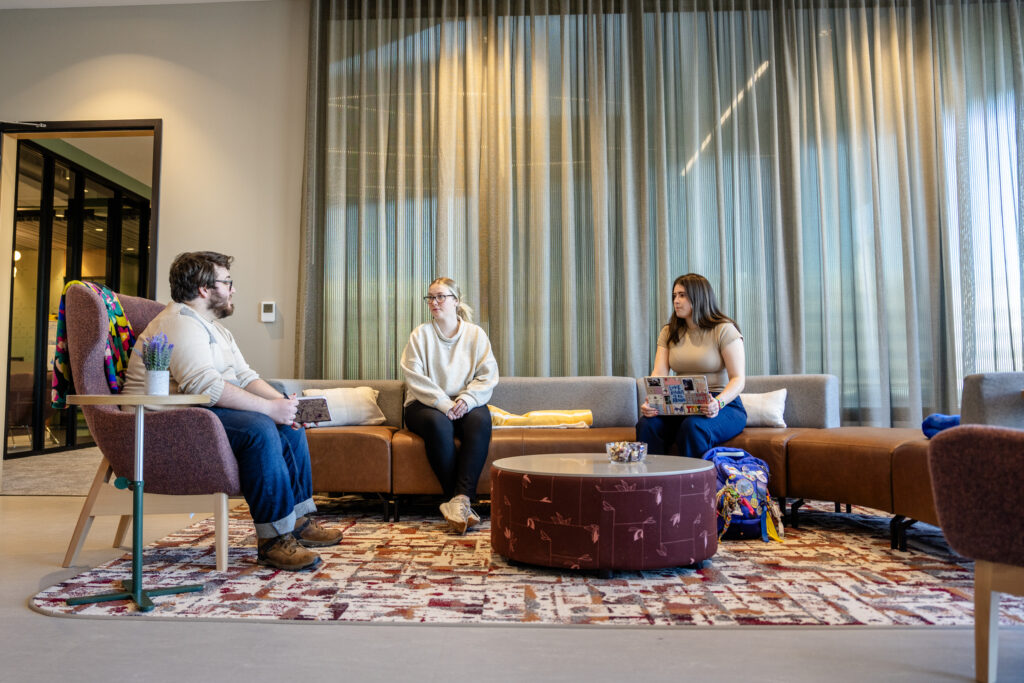
What changes can first-year students expect at the beginning of their college experience, and what are different ways to manage the transition?
Starting college is an exciting time, but it also brings big changes. Adjusting to a new environment and routine can feel overwhelming, and it’s easy to forget to take care of yourself in the process. In the first several weeks, I’d encourage students to focus on establishing a routine and maintaining healthy habits, including eating regular meals, practicing good sleep hygiene and making time for rest and activities they enjoy. When building a routine, I also remind students to be realistic and selective — it’s OK to say no and not engage in everything. It’s also important to give themselves grace. Students don’t need to have everything figured out right away. Try experimenting with a schedule and focus on the next few days — not the next four years.
Managing distractions is also key. This might mean putting devices out of reach and avoiding multitasking, which we know can reduce efficiency. I also always caution against pulling all-nighters, as sleep deprivation has a direct and negative impact on academic performance, so prioritizing rest is essential.
What misconceptions do students often have about counseling, and how do you work to break down those barriers?
Many students mistakenly believe that counseling is reserved for those facing severe mental health challenges or that they must be in crisis to seek support. In reality, counseling is a valuable resource not only for addressing serious concerns but also for navigating everyday stressors such as academic pressure, relationship issues and personal development. It’s a proactive tool for growth, not just a last resort. Additionally, some students perceive seeking help as a sign of weakness when, in fact, reaching out and taking steps to manage stress demonstrates remarkable strength and self-awareness.
Are there group programs, workshops or peer support opportunities that first-year students can take advantage of?
This fall semester, we’re offering a therapy group called Create Your Own Calm, designed to help students build practical skills for managing emotions, tolerating distress and staying present in daily life. Participation in this group requires preregistration, so we encourage anyone interested to contact us to schedule a consultation. In addition to therapy groups, we periodically offer workshops on topics such as coping strategies, mindfulness and other mental health-related skills. To stay informed about upcoming workshops and events, follow the Counseling Center on Instagram: @mu_counselingcenter.