Dear alumni and friends of Marquette’s College of Health Sciences,
I hope you have enjoyed the summer months. Here in the College of Health Sciences at Marquette, we are thrilled to welcome more than 370 new students and show them what it means to put into practice magis — to do more in terms of the universal good, and to put that into practice as they become leaders in health care upon graduation. I hope you will enjoy reading about how our faculty and students are practicing magis in the following pages.
Over the summer, Dr. Jacob Capin, assistant professor of physical therapy, was lighting the world on fire in his own way by winning multiple triathlons across the country — including the national championship held here in Milwaukee. But his prowess isn’t limited to the water and pavement. Capin is 2025 recipient of the Marquette University Way Klingler Early Career Award, and he also received the National Institutes of Health Director’s Early Independence Award in 2021 to conduct research in his Life After Sports Trajectories Lab. Inspired by his time as a Division I athlete, Capin’s research pushes the boundaries of what we know about sports-related injuries and how they affect mobility in athletes as they age out of competition.
In our second story, we highlight students and faculty from the Department of Occupational Therapy and their recent trip to Belize. The experience is a partnership with Alvernia University in Pennsylvania to provide services in places where occupational therapy treatments are scarce. Through global citizenship and cultural humility, our students learned valuable hands-on skills and interpersonal lessons that will serve them well as future health care providers.
Finally, we feature Dr. Amy Delaney, assistant professor of speech pathology and audiology, and her research on pediatric feeding. Most parents have similar experiences as they begin introducing solids to their infants: trial and error until a child develops the skills to chew and swallow foods. The first 1,000 days of a child’s life are the most important in their feeding development — it’s also when pediatric feeding disorders are hardest to identify. Delaney has set out to define a first-of-its-kind standard for when infants should be hitting their milestones and, if they’re not, how to employ therapies to develop better habits and overcome the disorder.
I hope you enjoy this edition of Marquette Health Sciences, and I encourage you to send story ideas to highlight exceptional alumni or distinguished programs as we continue to educate the next generation of mission-driven leaders and continue to advance The Science that Heals.
With warm regards,
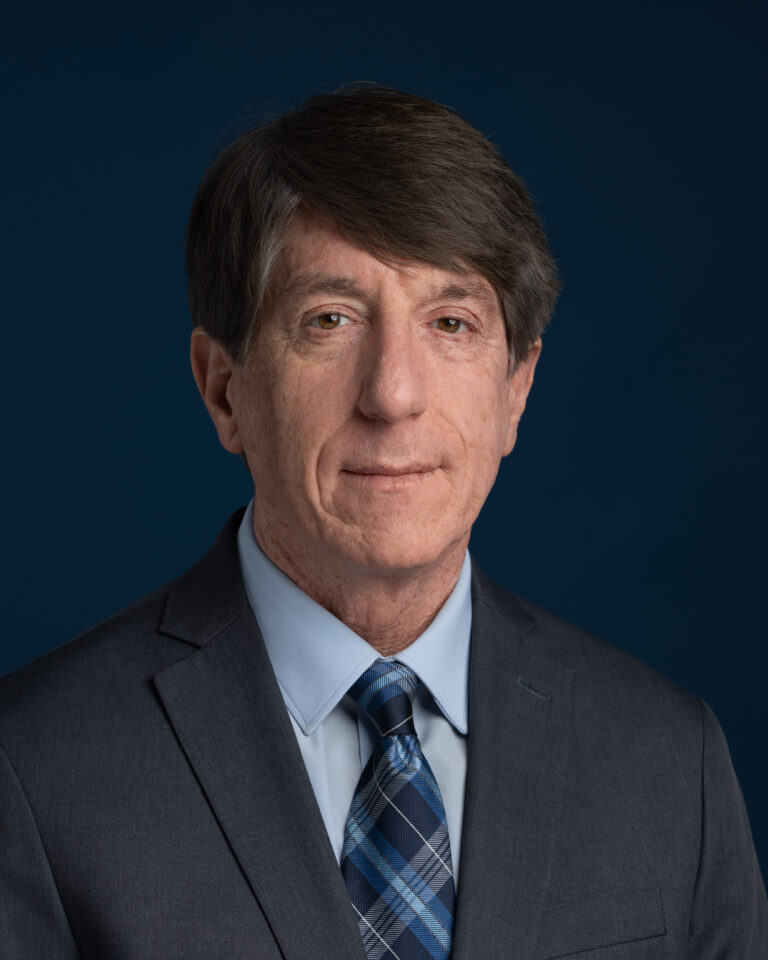
Dr. William E. Cullinan
Dean and Professor
College of Health Sciences
Marquette University